

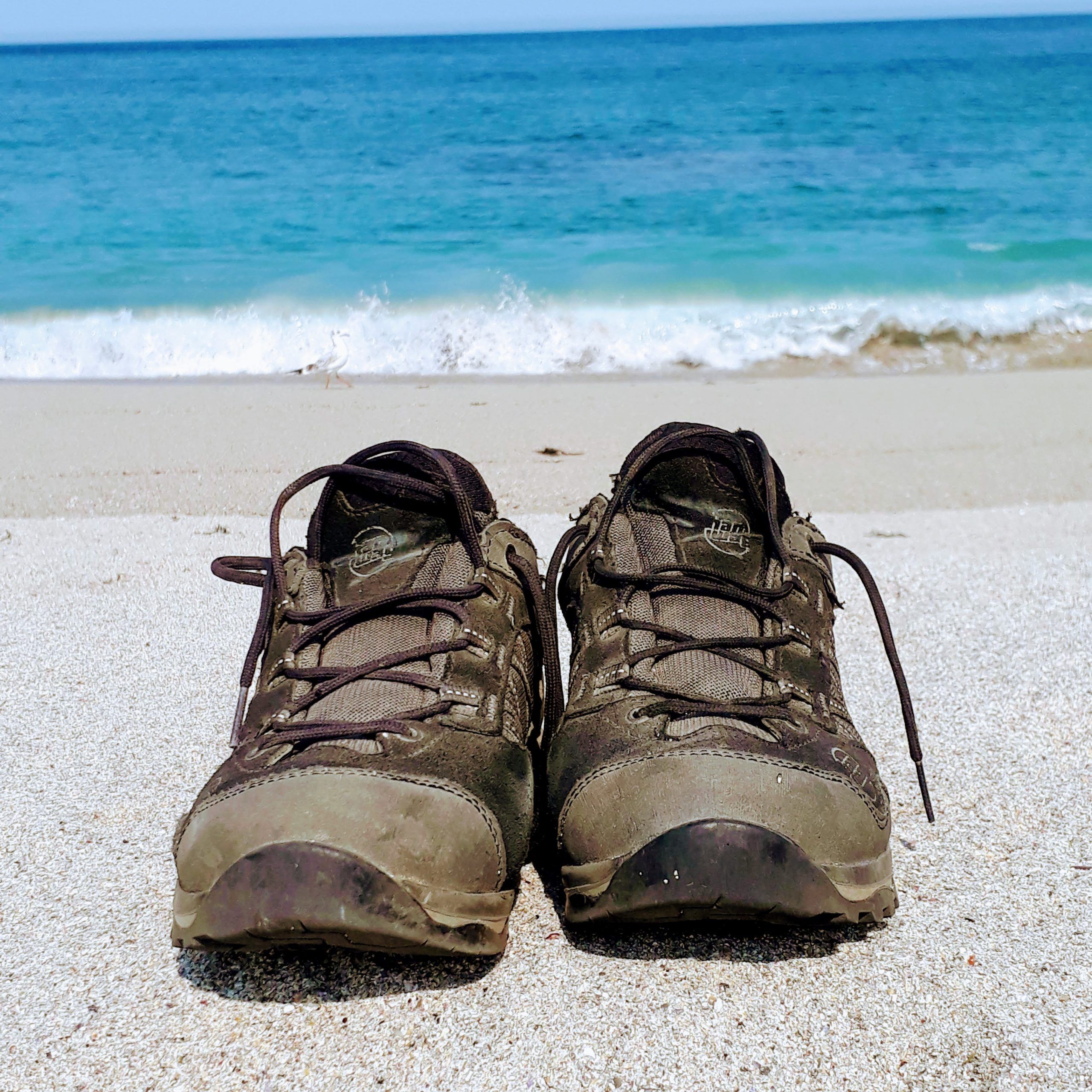
Menorca may be one of the smaller Balearic Islands, but when it comes to walking, it has a lot to offer. Wild stretches of coastline, Mediterranean forests, hidden coves and centuries of history are connected by trails that invite you to explore the island at a slower pace.
Unlike destinations where hiking is all about reaching a summit, walking in Menorca is about discovering what lies around the next corner: a quiet beach, an old watchtower, a lighthouse or simply another beautiful view of the Mediterranean.
At the heart of it all is the Camí de Cavalls, the historic trail that circles the island and makes Menorca an ideal destination for a walking holiday.
What makes Menorca special for walkers?
Menorca is the second-largest of Spain’s Balearic Islands, after Mallorca. Despite its relatively compact size, its landscapes are remarkably varied. Rocky coastline, ravines, pine forests, agricultural land and secluded beaches can all form part of the same walking holiday.
The island has also been recognised as a UNESCO Biosphere Reserve since 1993, reflecting the importance of its landscapes and ecosystems. For walkers, this means plenty of opportunities to experience Menorca beyond its towns and resorts.
But perhaps what makes the island particularly special is its pace. Menorca feels made for slowing down, spending more time outdoors and discovering places that are difficult to appreciate from a car.
A quieter side of the Balearic Islands
Menorca has a different atmosphere from some of its better-known Balearic neighbours. Outside the busiest areas and months, it is relatively easy to find peaceful stretches of coastline and trails where the landscape takes centre stage.
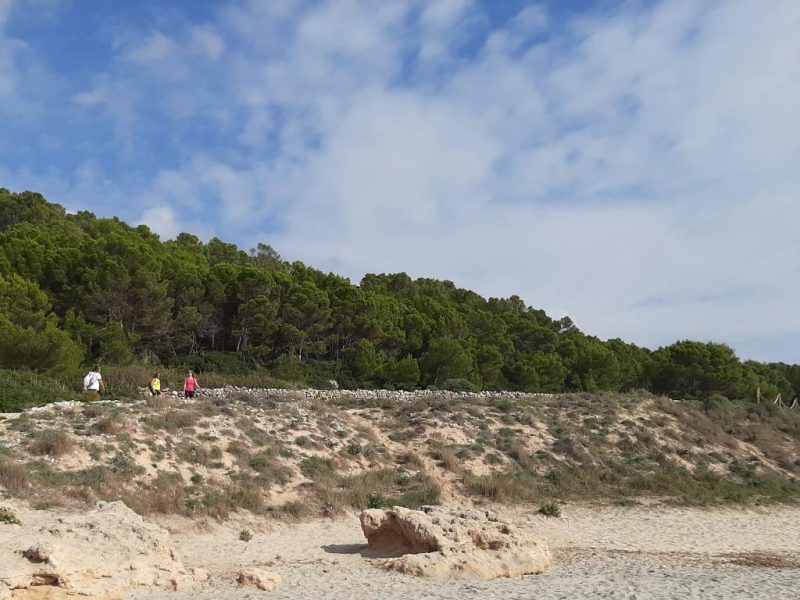
Once you start walking, that feeling becomes even stronger. Some coves and beaches require an approach on foot, while other sections of the coast take you through areas with very little development.
It is this combination of tranquillity, nature and accessibility that makes a walking holiday in Menorca so appealing.
A landscape made for exploring on foot
You do not need high mountains to have an interesting walking destination. Menorca proves it.
The terrain constantly changes as you move around the island. One moment you can be following a rocky coastal path and the next walking through woodland or descending towards a small cove.
Ravines, caves, cliffs and Mediterranean vegetation add variety to the landscape, while the sea is rarely far away on the island’s coastal trails.
The Camí de Cavalls: Menorca’s iconic walking trail
Anyone interested in hiking in Menorca will eventually come across the Camí de Cavalls.
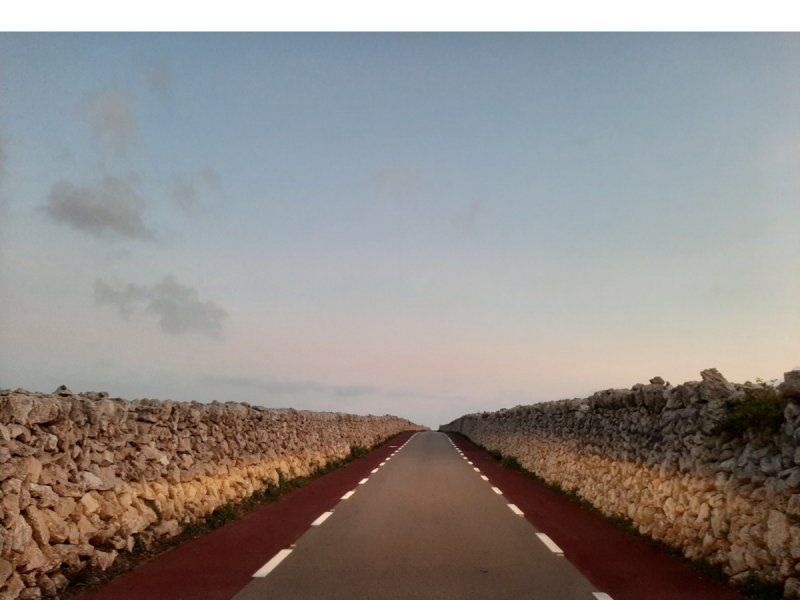
This historic path circles the island for approximately 185 kilometres, following much of Menorca’s coastline. Its origins are closely connected to the defence of the island, when the path was used to patrol the coast and connect strategic points.
Today, it has been restored as a long-distance trail and is one of the best ways to discover Menorca on foot. If you want to learn more about its origins, landscapes and characteristics, you can read our complete guide to the Camí de Cavalls in Menorca.
Walking along the Camí de Cavalls can take you past secluded beaches, cliffs, farmland, lighthouses and historic defence towers. Rather than following one type of landscape for days, the surroundings change considerably as you progress around the island.
You also don’t need to complete the entire trail to enjoy it. Individual sections can be combined into a shorter walking holiday, allowing you to experience some of the island’s most attractive areas without walking the complete circuit.
Walking the north vs the south of Menorca
One of the most interesting things about walking around Menorca is how different the north and south of the island can feel.
The northern coast tends to be wilder and more rugged, with rocky landscapes, exposed sections and beaches surrounded by darker-coloured terrain. It often feels remote and untamed. Walkers who want to experience this side of the island can explore our Camí de Cavalls North walking holiday.
The southern coast, meanwhile, is known for its pine forests, ravines and coves with pale sand and turquoise water. Some of Menorca’s best-known beaches are found here, and walking through the forest before suddenly reaching the sea is part of the experience. Our Camí de Cavalls South walking holiday focuses specifically on this part of the trail.
Both sides show a different face of Menorca, which is why walking several sections of the island can be much more rewarding than staying in a single area.
Beaches worth discovering on foot
Beaches are one of Menorca’s biggest attractions, but for walkers, getting there can be just as memorable as the beach itself.
Some of the island’s most beautiful coves are reached via trails rather than roads. Walking through a Mediterranean forest before arriving at clear blue water gives you a completely different experience from simply parking beside the beach.
Cala Macarelleta is a perfect example. Surrounded by cliffs and vegetation, this small cove is one of the island’s best-known coastal spots and can be incorporated into a walk through the surrounding area.
Other beaches worth discovering include Cala Mitjana, on the south coast, and Cala Pregonda, whose landscape offers a very different impression of Menorca in the north. You can discover more places to stop along the coast in our guide to the best beaches in Menorca.
During the warmer months, combining a morning walk with a swim can be one of the highlights of a Menorca walking holiday.
Walking through Menorca’s history
The landscapes of Menorca tell stories that go far beyond the beaches.
The island has an extraordinary prehistoric heritage, with numerous archaeological sites and Talayotic monuments scattered across its territory. These stone structures provide evidence of communities that inhabited Menorca thousands of years ago.
The island’s more recent military history is also visible while walking. Coastal watchtowers and other defensive structures recall the strategic importance Menorca once had in the Mediterranean.
Along the Camí de Cavalls and other routes, these traces of the past appear naturally within the landscape. They turn a day of walking into an opportunity to discover both Menorca’s natural environment and its cultural heritage.
The pleasure of slowing down in Menorca
One of my clearest memories of Menorca came on a sunny morning when I headed towards Macarelleta.
Not long after setting off, my mobile connection disappeared. My first reaction was frustration. Then I realised how appropriate it felt.
Without music or notifications, I started paying more attention to everything around me: the smell of the vegetation, the sound of animals in the distance and the changing landscape as the path approached the coast.
Eventually, after walking through Mediterranean woodland, Macarelleta appeared between the cliffs.
Experiences like this are part of what makes walking around Menorca different. The objective does not always need to be covering as many kilometres as possible. Sometimes the best part is simply having the time to notice where you are.
If you want a glimpse of what walking through Menorca looks like before planning your trip, you can also watch Menorca on video.
How difficult is walking in Menorca?
Menorca does not have the high-altitude challenges associated with major mountain destinations, but that does not mean every walk is easy.
Parts of the Camí de Cavalls are rocky and uneven, and some sections include repeated ascents and descents. Distances can also become demanding, particularly when combined with warm temperatures and limited shade.
The difficulty therefore depends largely on the section you choose, the distance covered each day and the time of year.
Good walking shoes, sun protection and sufficient water are important. It is also worth planning each day’s distance according to your experience rather than assuming that relatively low elevation automatically means an easy walk.
How many days do you need for a walking holiday in Menorca?
That depends on how much of the island you want to explore.
The complete Camí de Cavalls is approximately 185 kilometres long, so walking the entire circuit requires considerably more time than exploring a selected part of the trail.
For many travellers, choosing a series of sections is an excellent way to experience Menorca. A multi-day trip can combine coastal walks, beaches, villages and historical sites without requiring you to complete the full circuit.
If you have more time and want a greater challenge, you can plan a longer journey covering a larger portion of the Camí de Cavalls.
There is no single right way to walk Menorca. The best itinerary is the one that matches your available time, walking experience and the kind of holiday you want.
Do you need a guide to walk in Menorca?
The Camí de Cavalls is a recognised and signposted trail, so experienced walkers can explore many sections independently.
However, walking independently does not necessarily mean organising everything independently.
Accommodation, luggage transfers and daily logistics can make a significant difference on a multi-day walking holiday. Having these elements arranged in advance allows you to concentrate on the walk rather than figuring out how to move your belongings or reach your accommodation at the end of each day.
Whether you prefer to explore independently or want more support will ultimately depend on your walking experience and travel style.
Plan your walking holiday in Menorca
Menorca offers something that can be increasingly difficult to find: the opportunity to slow down.
The Camí de Cavalls provides the thread connecting many of the island’s landscapes, but the experience goes far beyond following a trail. Wild coastline, quiet coves, Mediterranean forests and thousands of years of history make every section different.
At WAW Travel, we can help you discover Menorca on foot while taking care of the practical details of your trip. Whether you want to explore the rugged landscapes of the Camí de Cavalls North, discover the beaches and coves of the Camí de Cavalls South, or explore our other Menorca walking holidays, you can choose the experience that best matches your pace and interests.
All that’s left is to put on your walking shoes and discover Menorca one step at a time.
Is Menorca good for walking?
Yes. Menorca is an excellent destination for walking thanks to its varied landscapes, coastal paths, quiet coves and the historic Camí de Cavalls. Walking in Menorca is especially appealing if you enjoy combining nature, beaches and cultural heritage in the same trip.
Can you walk around Menorca?
Yes. The Camí de Cavalls circles the island and makes walking around Menorca possible over a multi-day itinerary. The full route is approximately 185 km long, although many travellers choose to walk only the northern or southern sections.
How long does it take to walk around Menorca?
The time needed depends on your pace, daily distance and whether you want to complete the entire Camí de Cavalls. Walking the full circuit usually requires a multi-day trip, while shorter holidays can focus on selected stages or one side of the island.
Is the Camí de Cavalls difficult?
The Camí de Cavalls does not involve major mountain climbs, but some sections can still be demanding. Rocky terrain, repeated ascents and descents, long distances and exposure to the sun can increase the difficulty, so good footwear and proper planning are important.
Can you walk the Camí de Cavalls without a guide?
Yes. The Camí de Cavalls is a recognised and signposted trail, so experienced walkers can complete many sections independently. However, organising accommodation, luggage transfers and daily logistics in advance can make a multi-day walking holiday much easier.
Which is better for walking, north or south Menorca?
Both offer very different experiences. The north is generally wilder and more rugged, while the south is known for pine forests, ravines and turquoise coves. The best option depends on whether you prefer more remote landscapes or easier access to Menorca’s famous beaches.

Comment (0)