

Taking on the legendary Camino de Santiago is an experience filled with adventure and personal discovery, not to mention the cultural immersion you will experience. Before setting off on this iconic journey, however, it is important to consider the financial aspects.
Camino de Santiago costs can vary widely and are difficult to pin down in advance. Much depends on the specific pilgrimage route you choose and your accommodation preferences, such as staying in albergues or hotels. Different regions apply different tourist taxes, and overall expenses also depend on the availability and pricing of restaurants and supermarkets along the way.
Your choice of traveling on foot or by bike can also influence your total costs.
In this article, we break down the Camino de Santiago costs 2026, so you know what to expect financially when walking or cycling the world’s most famous pilgrimage this year.
Camino de Santiago costs 2026
Naturally, you will want to know how much your pilgrimage is likely to cost. However, it is difficult to say exactly what the total Camino de Santiago costs will be, as many factors come into play: where you stay overnight, how far in advance you book, whether you prepare your own meals or eat out in restaurants, whether you visit museums along the way or spend some days in Santiago de Compostela, and of course, how you travel to the trail and then home from Santiago.
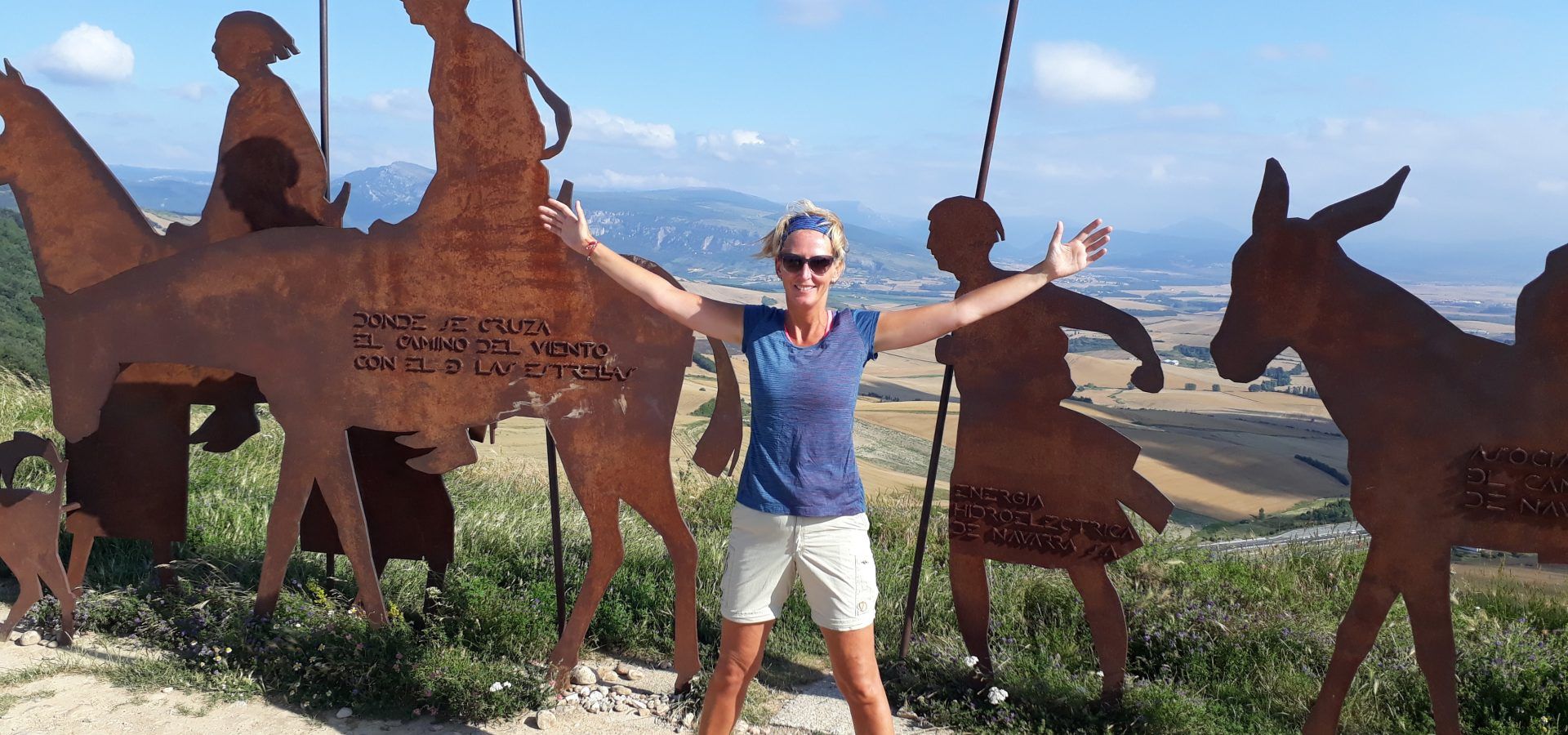
Back in 2018, I walked from Saint-Jean-Pied-de-Port to Santiago de Compostela on the Camino Francés: a truly unique experience! Since then, Camino de Santiago costs have naturally evolved. At WAW, we review and update these costs every year so we can advise pilgrims as accurately as possible.
No matter when you choose to walk the Camino, your budget will always be shaped by a few key cost categories:
- Preparation before departure: gear, shoes, and other essentials
- Travel to the Camino and travel home from Santiago
- Accommodation: where and how you spend the night
- Food and drinks along the way
- Souvenirs and personal extras
Preparing for your Camino to Santiago de Compostela in 2026
You have probably been looking forward to this moment for months, maybe even years, and now it is finally happening! But every adventure starts with good preparation, right? Let’s look at the five essential expenses you need to consider when calculating your Camino de Santiago costs 2026.
1. Preparation before departure: gear, shoes, and other essentials
First of all, you will need a good pair of hiking shoes, comfortable socks, and a reliable backpack. You might already have some of these items at home, but it is worth being selective. Investing in quality gear that truly fits you will pay off along the way – check out our essential packing list for the Camino de Santiago!
When you choose the right gear, you have a greater chance of avoiding unnecessary injuries and your body will thank you later.
These purchases are among the most important decisions and expenses you will make:
When it comes to choosing hiking shoes, Camino de Santiago costs can vary quite a bit. You can opt for low or high hiking shoes, but above all, they need to fit your feet perfectly. Considering the number of kilometres and hours you will be walking, footwear is absolutely crucial!
A good pair of hiking shoes nowadays costs, on average, between €160 and €280. And once you have found the right pair, remember to take good care of them before and during your Camino.
Hiking socks are just as important as your shoes. Good-quality hiking socks help prevent blisters and reduce friction, as well as keeping your feet dry throughout long walking days.
Look for socks made from technical or merino wool blends rather than cotton, as they regulate moisture and temperature much better. Many experienced pilgrims bring several pairs and rotate them along the way. Expect to spend around €15 to €30 per pair, an expense that is well worth it when you consider how much comfort they can add.
Lastly, a well-fitting backpack is another important element to factor into your overall Camino de Santiago costs. It is on your back for many hours each day, so comfort is essential. Expect to pay between €160 and €230 for a quality backpack.
A good backpack should distribute weight evenly across your hips and shoulders, reducing strain on your back and neck. A padded hip belt and proper ventilation at the back can also make a noticeable difference, especially on longer walking days or during warmer weather!
2. Travel to the Camino and travel home from Santiago
Before you even take your first steps on the Camino, you will need to get to the starting point of your chosen route. Travel costs therefore depend not only on how you return from Santiago, but also on where your Camino begins.
Popular starting points such as Saint-Jean-Pied-de-Port, Porto, Sarria, or Tui each come with different travel logistics and price ranges.
In many cases, pilgrims combine flights with trains or buses to reach their starting point. Booking early and staying flexible with travel dates can make a noticeable difference to your overall Camino de Santiago costs 2026.
And of course, it is also important to plan your journey back home once you leave Santiago de Compostela. Travel costs can vary widely depending on the airline, route, and season.
A one-way flight from Santiago de Compostela to Eindhoven, for example, often starts at around €60, although these flights are usually not direct and may involve longer layovers. Return flights typically range between €140 and €160.
If you travel to Amsterdam, Vueling operates direct flights several times a week, with a flight time of around 2.5 hours. Prices usually start between €60 and €100 for a one-way ticket and are often around €120 to €160 for a return flight, depending on the season and how far in advance you book.
Looking ahead, travel options are expected to improve further. From 2026, Santiago de Compostela Airport is undergoing an expansion, and several new seasonal and year-round flights are being added. This is likely to increase availability and flexibility and may help stabilise prices during peak Camino seasons.
Another option is travelling by train. While the journey takes longer, it offers a more environmentally conscious and, for many pilgrims, a more reflective transition back to everyday life after the Camino.
From Santiago de Compostela, the train journey to Amsterdam usually takes 25 to 27 hours, with an average of three transfers. Tickets start at around €210 when booked early and should be factored into your overall Camino de Santiago costs.
You may also choose to travel home by bus, another environmentally friendly alternative. FlixBus offers a night service from Santiago de Compostela, with a transfer in Paris the following morning, arriving in Amsterdam the next evening. Tickets usually cost around €150, and this amount should also be included when calculating your total Camino de Santiago costs.
3. Accommodation: where and how you spend the night
Your Camino de Santiago costs are strongly influenced by where you choose to sleep. Will you stay in a hostel, sleep in a bunk bed, or opt for more privacy and comfort with your own room and bathroom? Broadly speaking, these are the main accommodation options, listed from the most affordable to the most expensive.
- Camping: Staying at a campsite is usually the cheapest option and typically costs around €10 to €12 per night. In this case, you need to carry your own tent and sleeping bag, along with any other camping equipment you may need.
- Albergue: in an albergue, you usually pay between €10 and €15 per night for a bunk bed without breakfast. You will sleep in a shared dormitory with other pilgrims (earplugs are highly recommended) and share bathroom facilities. This is often the most common accommodation option considered when calculating Camino de Santiago costs.
- Hotels and guesthouses: a private room typically costs between €40 and €60 per room. If you share the room with another pilgrim, expect to pay around €30 per person. In most cases, you will have your own bathroom, and breakfast is often included. At WAW, we work most frequently with this type of accommodation, as it offers a good balance of comfort and quality, with breakfast always included.
You will find all three accommodation options along every Camino route to Santiago de Compostela, although availability varies depending on the route. On the Camino Francés, for example, facilities are plentiful, including accommodation, bars, small restaurants, and even pharmacies. In short, everything a pilgrim might need is readily available.
However, if you walk or cycle lesser-known routes such as the Camino Primitivo or the Camino de Invierno, some sections require more planning, as accommodation options can be more limited. In these cases, it is often wise to book ahead. You can do this yourself while on the road, or you can ask us to arrange it for you.
4. Food and drinks along the way
During a pilgrimage, you burn a lot of energy, so it is essential to eat and drink well. But what Camino de Santiago costs 2026 should you expect when it comes to food and drinks?
Breakfast usually costs between €7 and €14. At the lower end, this often means a coffee and a piece of bread with some jam. Spaniards generally do not place much emphasis on breakfast, so it helps to get familiar with the Spanish way of starting the day. Some places offer a more generous breakfast, while elsewhere you may get nothing more than toast and jam.
In many cafés, you will see locals standing at the bar in the morning with a cortado. If you prefer fresh orange juice, a croissant, or something savoury with your breakfast, you may need to pay a little extra.
As mentioned earlier, if you book your pilgrimage with us, breakfast is always included at no extra cost.
Lunch is the most important meal of the day for Spaniards. Many pilgrims opt for a bocata along the way, a simple sandwich with a coffee, for around €4 to €6. Along the pilgrimage routes, you will find countless panaderías, or bakeries, where you can buy delicious sweet and savoury snacks to enjoy at beautiful spots along the trail.
If you prefer a more elaborate lunch in a brasserie in larger towns, for example along the Camino del Norte, prices usually start at around €22. While this can be a lovely break, it is worth keeping in mind that it can significantly increase your Camino de Santiago costs.
In most small restaurants along the Camino de Santiago, you will find the menú del peregrino, or pilgrim menu. Typically, you can choose from two starters, two main courses, and two desserts, with water and wine included. Prices usually range between €12 and €18, a useful guideline to factor into your Camino de Santiago costs. Of course, you can also choose to prepare dinner together with other pilgrims, which is often a more budget-friendly option.
A small tip from the WAW team: the regional cuisines of Basque Country and Galicia are consistently excellent and well worth enjoying along the way.
5. Souvenirs and personal extras
A pilgrim usually travels light, which means you simply cannot carry too many souvenirs in your backpack along the way. However, once you arrive in Santiago de Compostela, you may want to treat yourself to something that helps you hold on to the memories of your journey. It is therefore worth factoring these personal extras into your Camino de Santiago costs 2026.
Some pilgrims are happy with a small keepsake, while others celebrate the end of their journey with a nice dinner. If you book your pilgrimage with WAW, this celebratory dinner is actually included at the very end of your walk.
Many pilgrims choose traditional Camino souvenirs, such as a Saint James shell or a simple piece of shell jewellery linked to the pilgrimage. Others prefer local food products to take home, such as Galician sweets or a bottle of wine. Some pick up a book about the Camino to reflect on their experience once they return home.
Some pilgrims decide to extend the experience by staying one or more nights at the Parador of Santiago, while others continue walking along the Camino to Finisterre, often referred to as the end of the world.
If you are concerned about how to bring souvenirs home, you can also send your belongings with Correos. This service allows you to ship items such as souvenirs, hiking poles, or even your bicycle directly home.
If you book with WAW, you can find indicative prices for these extras with each of our pilgrimage and walking holiday programmes. As we specialise in tailor-made experiences, we are always happy to calculate additional wishes or personal upgrades for you.
Would you like to know more about the Camino de Santiago costs 2026? Feel free to contact us at [email protected]! We are happy to share our experiences and help you prepare for your journey.

Comment (0)