

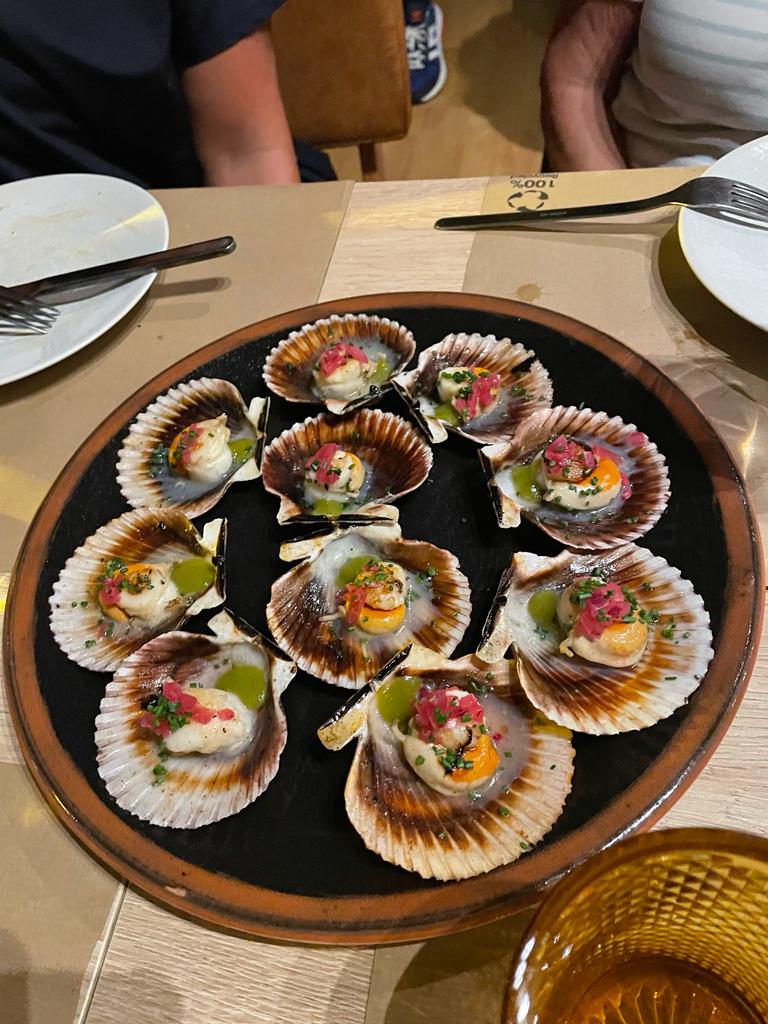
While gastronomy on the Camino de Santiago plays a crucial role in an unforgettable walking or cycling experience, it often receives far less attention than it deserves. Along the route, you can taste delicious local products and regional specialties, which is exactly why this blog gives special focus to food on the Camino de Santiago.
Let’s take a look at how and why we should pay attention to it throughout the day, and how it can make the experience even more enjoyable!
Why now?
In 2026, more and more pilgrims are becoming aware of the importance of food on the Camino, with an increasing focus on local, sustainable, and energy-boosting meals. This includes clearly labelled vegetarian and vegan options, greater allergy awareness, and increased use of locally sourced ingredients.
So let’s get to the tasting. Here are our five essential tips for all the mealtimes you’ll encounter on the Camino!
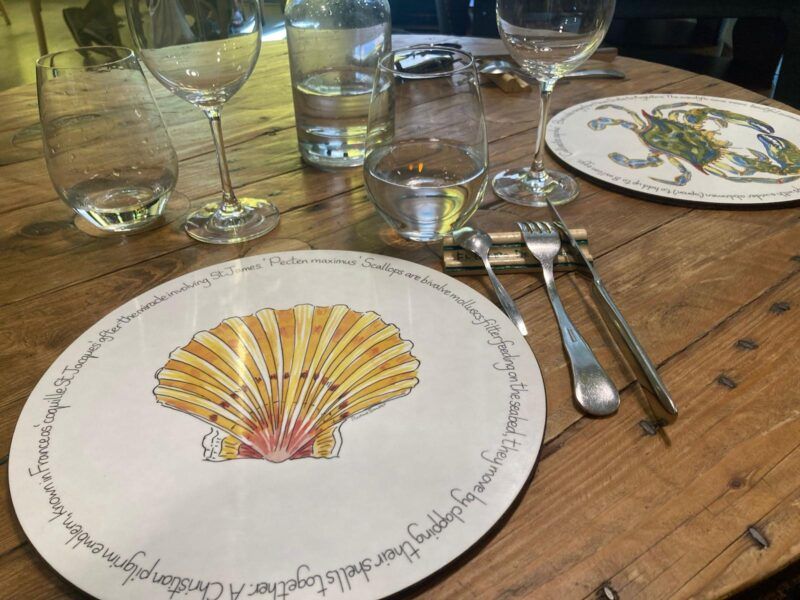
Discover food on the Camino de Santiago
Before discussing the specifics of each meal on the Camino de Santiago, it’s important to understand why food plays such a crucial role in this journey. It not only provides the necessary energy for long walks or bike rides, but also offers a unique opportunity to immerse yourself in the rich gastronomic culture of Spain’s diverse regions.
From hearty breakfasts that set the tone for the day to dinners that become moments of social connection and enjoyment, every meal is an integral part of the Camino experience. Let’s start with breakfast, often regarded as the most important meal of the day, especially on a demanding journey like the Camino de Santiago.
1. The most important meal of the day: breakfast
Food on the Camino de Santiago starts with a good breakfast. Breakfast is the most important meal of the day, and this applies even more to those who walk or cycle the Camino de Santiago.
Nowadays, some people enjoy extensive breakfasts, but more often than not, we live with little time and breakfast is limited to a quick coffee. Many people don’t even eat breakfast at all.
We know that skipping breakfast is not ideal in everyday life, but on the Camino it simply doesn’t work. You make a considerable physical effort every day, and it is essential to fuel your body properly. Without breakfast, or with a poor breakfast, there is a greater chance that you will run out of energy before the end of the stage.
Most accommodations on the Camino de Santiago are aware of this and give breakfast the attention it deserves. For this reason, hostels, guesthouses, inns, and hotels usually offer a good breakfast. In general, this means you can choose from different ingredients suitable for food on the Camino de Santiago.
That said, breakfasts in Spain may be understood a little differently than in the United Kingdom or the Netherlands, for example. For this reason, we’ve also written a comprehensive guide specifically about breakfasts in Spain, so you can be mentally – and maybe even physically – prepared for what to expect when it comes to the first meal of the day.
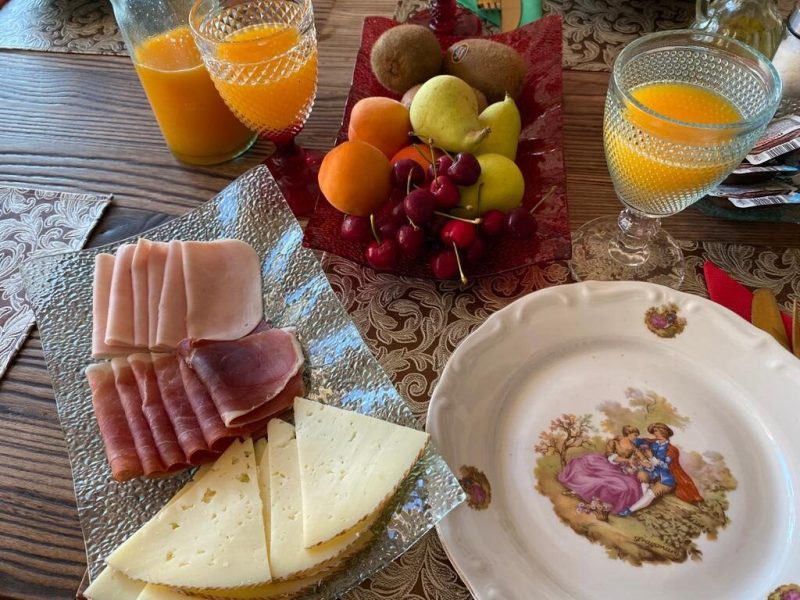
Many accommodations along the Camino adapted to early risers, with more hostels and hotels providing breakfast from 6:30 am or offering takeaway options for those who start walking before sunrise.
This year early breakfasts and simple takeaway options have also become a standard expectation on many Camino routes, especially on busier sections such as the Camino Francés and Camino Portugués.
Always ask the night before what time breakfast starts, so you can be sure to eat before beginning the stage. Usually, breakfast is not served before 7:30 am, which can be a challenge if you want to start walking very early. Keep in mind that meal times in Spain are slightly different: breakfast, lunch, and dinner are generally later than many people are used to.
Sometimes an accommodation does not offer breakfast. In these cases, there is usually a café nearby where you can eat. Some pilgrims even prefer to walk a few kilometers before stopping for breakfast. In any case, it is important to avoid long stretches without food.
So, what is an adequate breakfast for a pilgrim? Considering the physical effort involved, it is clear that a coffee or tea with a single piece of toast is not enough. At the same time, it is not recommended to eat too much, as this can make you feel heavy or nauseous at the start of the stage.
When eating on the Camino de Santiago, try to include protein-rich foods (such as ham and dairy products like cheese or yogurt), natural sugars (fruit, jams without added sugar, and fresh juices), carbohydrates (bread, toast, and cereals), and some healthy fats (nuts or olive oil).
Tip for some good food on the Camino de Santiago: a solid breakfast can consist of toast with olive oil and ham, some cheese, and a piece of fruit or fresh juice, accompanied by coffee or tea. Alternatively, breakfast cereal with yogurt, fruit, and some nuts works well. Preferably avoid industrial pastries, although many accommodations also offer homemade cakes or pastries that can be hard to resist.
2. Eating and snacking during the stage
Eating on the Camino de Santiago is also important during the stage itself. As mentioned earlier, you burn a lot of calories and need to recover sufficiently for the next day. Muscle recovery depends not only on rest, but also on proper hydration and nutrition.
Along the Camino de Santiago, you’ll find many places to stop and recharge, from cafés and bars to rest areas and picnic spots. However, distances between these facilities can sometimes be considerable, so make sure you always carry something to eat in your backpack.
Nuts are always a good option because they are easy to carry and don’t take up much space. Almonds, cashews, walnuts, peanuts, or pistachios are widely available in shops along the Camino de Santiago. Ideally, choose raw or roasted nuts, rather than fried or sweetened ones.
Cereal- and granola-based energy bars are another good option, as they provide carbohydrates that offer a quick energy boost. Fresh fruit is also an excellent alternative, supplying natural sugars that the body can easily convert into energy. Chocolate can be eaten on the Camino as well, although it is less ideal, especially in hot weather when it tends to melt.
In recent years, we’ve also seen a clear shift toward healthier snacks on the Camino. Many pilgrims have been opting for protein-rich snacks such as plant-based energy bars, dried fruit mixes, and even locally sourced honey packets for an extra boost. In 2026, even gluten-free, nut-free, and plant-based snack options are easier to find in village shops and cafés, reflecting a broader awareness of dietary needs.
3. Lunch on the Camino: before, after, or along the way?
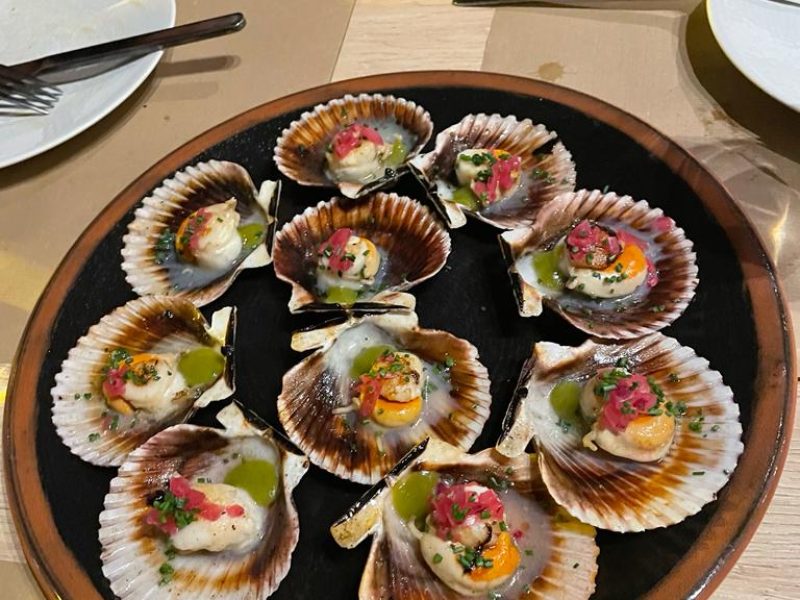
Most pilgrims walking the Camino de Santiago cover stages of 20 to 30 km on foot (or about 50 to 70 km by bike), often finishing in the afternoon. As people in Spain generally eat late, it’s usually still possible to enjoy a proper lunch upon arrival. Discovering the local gastronomy of each place – our absolute favourites are Basque Country and Galicia – one of the great pleasures of the Camino de Santiago, and something we truly deserve.
Sometimes, however, you may not have reached your final destination for the day yet. In that case, it’s better to adapt to the circumstances: if you still need to continue walking or cycling, a light lunch is preferable, and heavier dishes are best avoided.
As you follow the Camino de Santiago, you’ll encounter a familiar concept when it comes to food Camino de Santiago: the pilgrim menu. In Spanish, this is often called the menú del peregrino or simply menú del día, meaning the daily menu.
In 2026, many restaurants along the route offer expanded pilgrim menus with vegetarian and vegan options as standard, while prices typically range between €10 and €15 per person, depending on the region and season. A pilgrim menu usually includes a starter, a main course, and a dessert or coffee, with a drink included.
The quality and variety of these menus can vary greatly from one restaurant to another, so it’s worth taking a quick look before choosing. If you are a pilgrim who enjoys gastronomy, you may sometimes find the pilgrim menu too limited. In those cases, especially if you plan to continue walking or cycling, it can be better to order a single dish from the regular menu or choose a house specialty.
Also, keep in mind that the Camino de Santiago crosses very diverse regions, and gastronomy is one of its main cultural attractions. Choosing local and seasonal products when eating on the Camino is something we always highly recommend!
4. Dinner on the Camino: the most social meal of the day
As mentioned earlier, dinner often becomes the main meal of the day when it comes to food Camino de Santiago. There are good reasons for this: you’re rested, you don’t need to continue walking or cycling afterward, and you usually have more time. This often leads to long meals shared with fellow pilgrims.
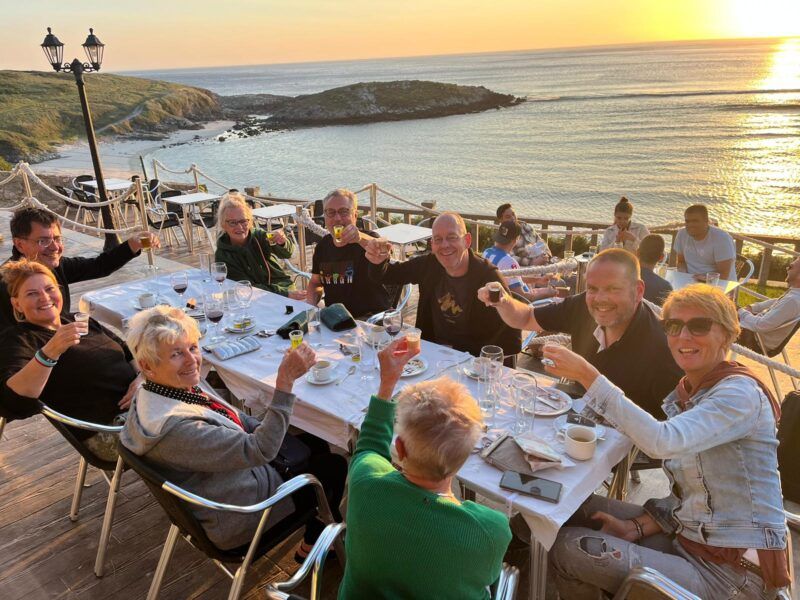
In the evenings, pilgrims naturally gather around the table to get to know each other, exchange stories from the day, and reflect on their journey. Eating together on the Camino is often accompanied by laughter and reflections, and some hostels even offer communal dinners for all pilgrims staying there. For many, these shared meals become some of the most memorable moments of the Camino.
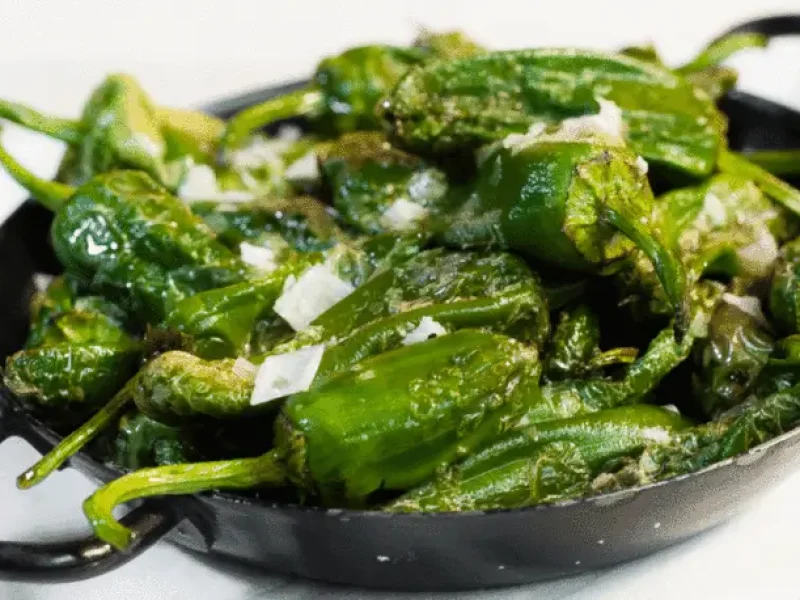
Dinner is also the perfect moment to try regional and traditional dishes. Think of vegetables from Navarra, pil pil cod from the Basque Country, lamb chops from La Rioja, Castilian garlic soup, Fabada asturiana, octopus from Melide, Portuguese Bacalhau à Brás, or pimientos de Padrón. These are just a few examples of a much wider culinary landscape. Every region crossed by the different routes of the Camino de Santiago has its own distinct gastronomy.
The same applies to wine, beer, and other alcoholic drinks. While alcohol is not recommended during the stage due to its dehydrating effects, it can certainly be enjoyed with dinner. Albariño wines, wines from Rioja, or a local Estrella Galicia beer are all worth trying.
Do pay attention to opening hours. In Spain, it is very rare to have dinner before 9 pm, and many restaurants don’t open until 8 pm. For people coming from other countries, this can feel quite late, especially if you need to get up early the next morning.
5. Staying hydrated on the Camino de Santiago
Finally, it’s important to emphasize that, alongside food Camino de Santiago, staying well hydrated is essential. When walking or cycling, you sweat and lose fluids quickly, so replenishing them regularly throughout the day is crucial.
Energy drinks are increasingly used, although many of them are hypertonic and may contain substances such as caffeine or taurine, which are not suitable for everyone. While they can help reduce fatigue, they are not always necessary on the Camino.
Rehydration drinks that are isotonic or slightly hypotonic are often a better option, as they support efficient water absorption and usually contain minerals, magnesium, amino acids, slowly absorbed carbohydrates, and vitamins.
And of course, plain water should not be forgotten. It remains the simplest and most effective choice. You can drink bottled water as well as water from springs and fountains along the way, as long as they are clearly marked as potable.
Along the route, we’ve noticed more and more free water refill stations appearing, encouraging sustainability and helping to reduce plastic waste. Many of these refill points are now better signposted, and pilgrims increasingly rely on reusable bottles and lightweight filters, especially during warmer months. We recommend carrying a reusable water bottle, ideally with a filtration system, is therefore strongly recommended for safe and eco-friendly hydration!
Culminating your culinary Camino journey
Your journey along the Camino de Santiago is filled with diverse flavors and culinary experiences, each contributing to the richness of the adventure. Remember, these are the foods that have nourished pilgrims for centuries!
Food on the Camino de Santiago is also offering insight into local culture and traditions along the route. From the first energising bite of breakfast to a shared dinner at the end of the day, you will have a way to connect with fellow pilgrims and locals, not to mention the landscapes you are moving through!
If you’d like to share your own culinary Camino experiences, or if you have questions about food on the Camino, feel free to reach out to us at [email protected] – we’d love to hear from you!
Buen Camino and buen provecho!
Are vegetarian or vegan options easy to find on the Camino?
Vegetarian options are increasingly common on the Camino, especially in larger towns where restaurants and cafés offer meat-free dishes, salads, vegetable stews, tortilla española, or pasta. Vegan options, while available, can be more limited in small villages. Still, many albergues and local eateries are used to accommodating pilgrims and can adapt simple plates such as grilled vegetables, rice, legumes or mixed salads. If you follow a strict vegan diet, it’s helpful to plan ahead for the smaller stages and carry some basics like nuts, fruit, or plant-based snacks.
Can I find gluten-free or allergy-friendly options on the route?
Yes — but availability varies by region and the size of the town. In most cities along the Camino you’ll find gluten-free bread, packaged snacks and restaurants familiar with coeliac requirements. Allergy-friendly options are also becoming more common, although cross-contamination can still be an issue in very traditional kitchens. Pilgrims with food allergies should communicate their needs clearly (“soy celíaco/a”, “tengo alergia a…”), check labels when possible, and keep a few safe snacks for rural stretches where choice is more limited.
What local dishes should I try depending on the region I walk through?
One of the best parts of the Camino is discovering regional food traditions. Some of the most typical dishes include:
- Galicia: pulpo a feira, empanada gallega, caldo gallego, and the famous Tarta de Santiago.
- Navarra & La Rioja (and some other regions): vegetable stews, peppers, chorizo and hearty local wines.
- Castilla y León: roasted meats, garlic soup and artisan cheeses.
- Portugal (if walking the Portuguese Camino): bacalhau dishes, caldo verde, pastéis de nata and fresh seafood along the coast.
Each stage brings its own specialties, so it’s worth asking locals for recommendations — food is an essential part of the Camino experience.

Comment (0)