

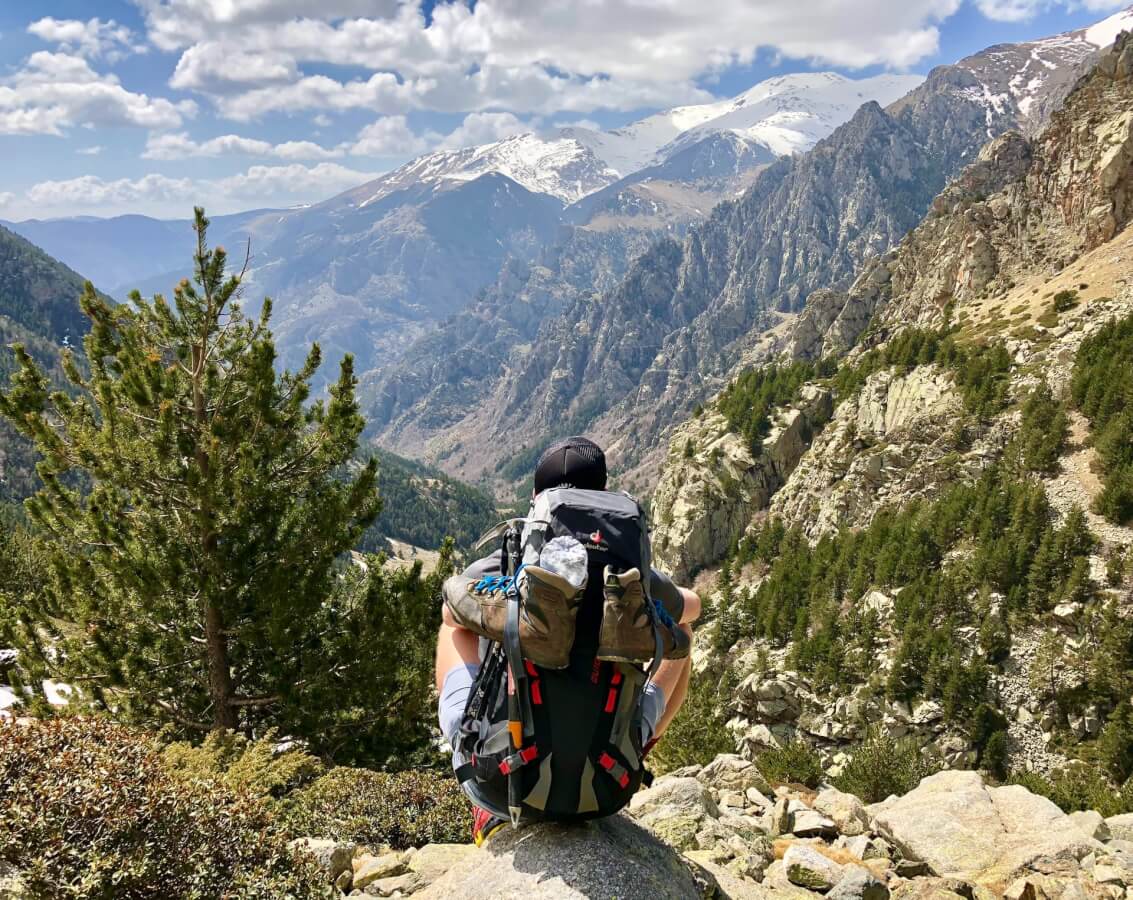
Walking is one of the healthiest ways to move your body. When you choose a walking route that suits you, it strengthens your heart and muscles, clears your mind, and significantly reduces the risk of injuries. Good preparation means choosing the right distance and listening honestly to your own fitness level. Long-distance walking can also be one of the most sustainable ways of travelling. That said, there are some typical mistakes that first-time walkers make. Routes are sometimes underestimated and backpacks overfilled with items that beginner hikers later realise they never actually needed. A well-packed bag and a realistic plan can make the difference between an exhausting experience and an enjoyable one. Below you’ll find 16 inspiring tips in the form of questions to ask yourself before choosing a route. We hope they will help you pick a walk that truly fits your energy and the kind of experience you want to have! Take a close look at the overall character of the route. Is it clearly signposted and easy to navigate, or will you need strong navigation skills? A well-marked trail allows you to relax and enjoy the scenery, while a poorly marked one demands constant attention. Check what you will be walking on. Rocky paths, sandy trails, forest tracks or asphalt all feel different under your feet. Narrow mountain paths require more focus than wide gravel roads, and shared routes with cyclists may influence your pace. Look beyond the distance and study the elevation profile. A 15 km walk with steep climbs can feel far more demanding than a flat 20 km stage. Understanding the total ascent and how it is spread across the day helps you plan realistically. Walking solo offers freedom and flexibility. Walking with others brings shared experiences and motivation. Think about what suits you at this moment. If you are unsure, you can read more about the differences about walking together or alone in this blog post. Weather can completely change your experience. Check reliable forecasts, such as MeteoBlue, especially in mountainous or coastal areas where conditions shift quickly. Heat, wind or rain may require adjustments to your plan.
Tip 6: Will I have access to water? Hydration is essential. Find out in advance whether there are refill points, cafés or villages along the way. If not, make sure you carry enough water for the entire stage! Your energy level can vary from day to day. Decide beforehand how many kilometres feel comfortable and choose a route that matches your current condition rather than your ambition. Think carefully about what is necessary and what is not. A heavy backpack can quickly turn a pleasant walk into a tiring one. Bring essentials such as water, snacks and sun protection, and avoid packing items you are unlikely to use. If you are walking the Camino, you can find our packing advice in our Camino packing list. Be honest with yourself. Are you used to walking several days in a row? Are you carrying extra weight? Choosing a route that matches your fitness helps prevent injuries and keeps the experience enjoyable. Some trails are lively and social, such as the Cami de Cavalls or the Camino de Santiago, others are remote and quiet. Decide whether you prefer company and atmosphere or solitude and silence. In some areas, there is little or no reception. That can be wonderfully liberating, but it may also matter if you are expecting important calls or need navigation support. Check this in advance if connectivity is important to you. It is reassuring to know whether you can shorten the route if needed. Look into public transport connections, taxi options or alternative paths in case you need to adjust your plan midway. Understanding the history and character of a trail adds depth to your walk. Is it a pilgrimage route, an old trade path or a newly created hiking trail? Reading reviews and experiences of other walkers can also help set expectations. Make sure your maps, GPX tracks or guidebooks are up to date. Online information can vary in quality, so rely on trustworthy sources when planning your route. Some routes require mountain experience, navigation skills or confidence on exposed terrain. Others are perfect for beginners. Choose a trail that matches your skill level and gradually build up your experience. Finally, ask yourself what you are looking for. Do you want a peaceful day immersed in nature, or are you seeking a physical challenge? Both are valid choices, as long as your route supports your intention. Whichever route you choose, WAW.travel is happy to help you organise your ideal walking holiday! Feel free to reach out at [email protected].
Tip 1: What does the walking route look like?
Tip 2: What kind of surface does the route have?
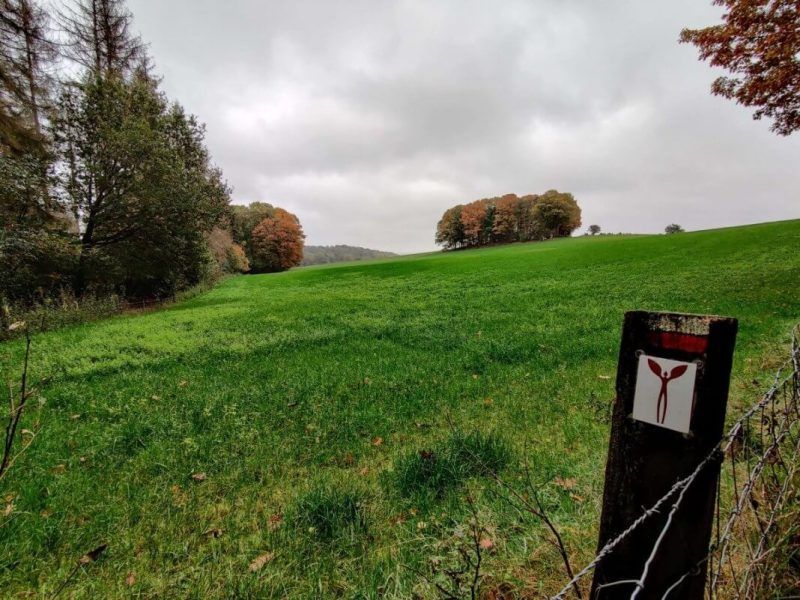
Tip 3: How much ascent and descent is involved?
Tip 4: Am I walking alone or with others?
Tip 5: What is the weather forecast?
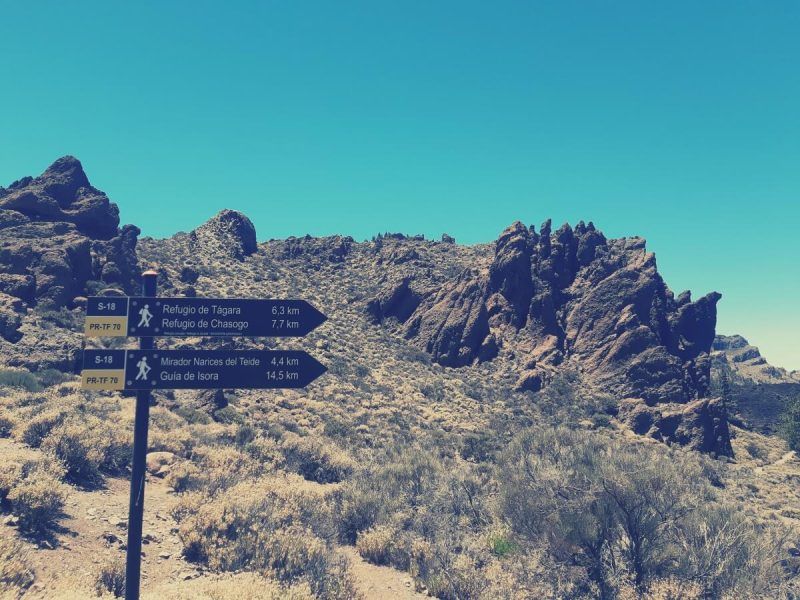
Tip 7: How far do I realistically want to walk?
Tip 8: What do I actually need to bring?
Tip 9: What is my current fitness level?
Tip 10: How busy is the route?
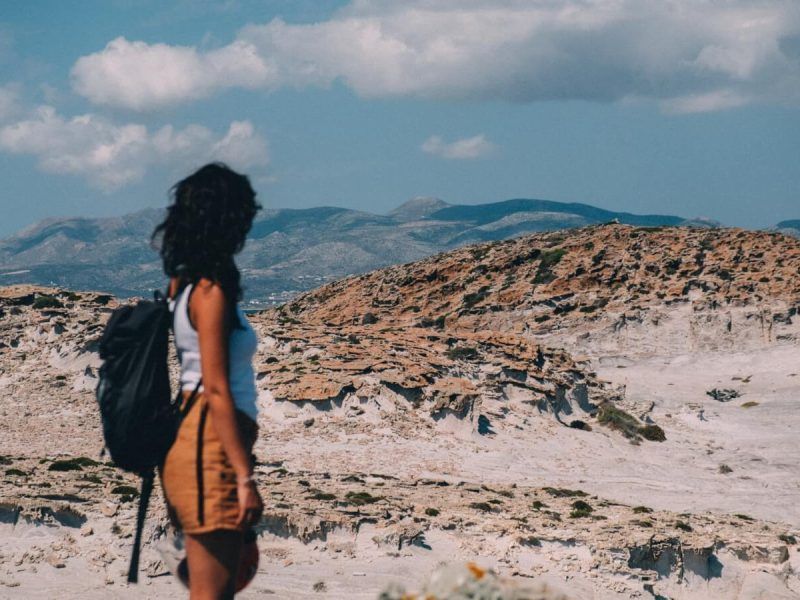
Tip 11: Will I have phone signal?
Tip 12: Are there exit or shortcut options?
Tip 13: What is the background of the route?
Tip 14: How reliable is my information?
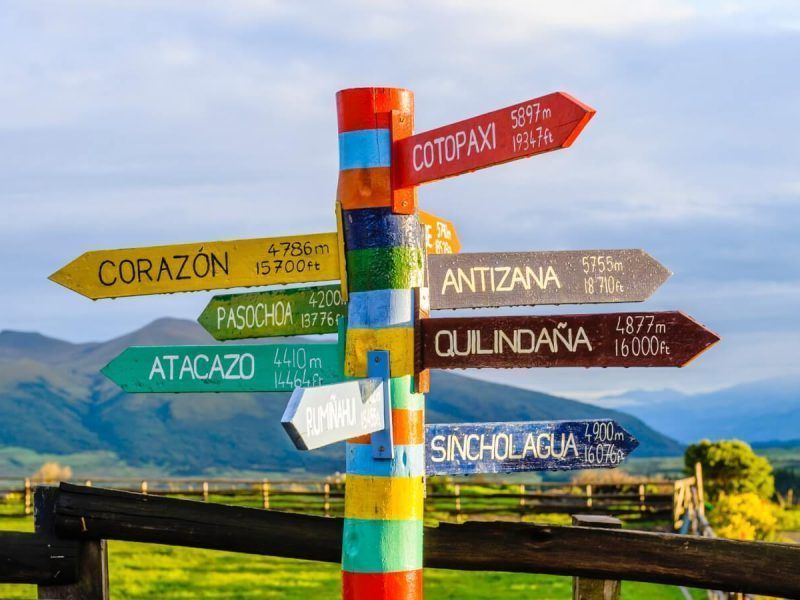
Tip 15: Do I have the right experience for this trail?
Tip 16: Do I want relaxation or challenge?
16 tips to choose a walking route that suits you best
Oct 21, 2024
0 comment

Annemiek Nefkens, Founder & Camino-specialist
Annemiek Nefkens liep in 2018 de Camino naar Santiago de Compostella. 2.000 km en 3 maanden verder, besloot zij haar leven totaal te veranderen. Ze ging wonen in Spanje en begon, samen met haar Spaanse partner Roberto, WAW.travel. Gespecialiseerd in het organiseren van op maat gemaakte wandelvakanties in Spanje, waaronder de Camino de Santiago.
Comment (0)