from 0 review
14 days
Up to 30 days
Unlimited
English, Nederlands
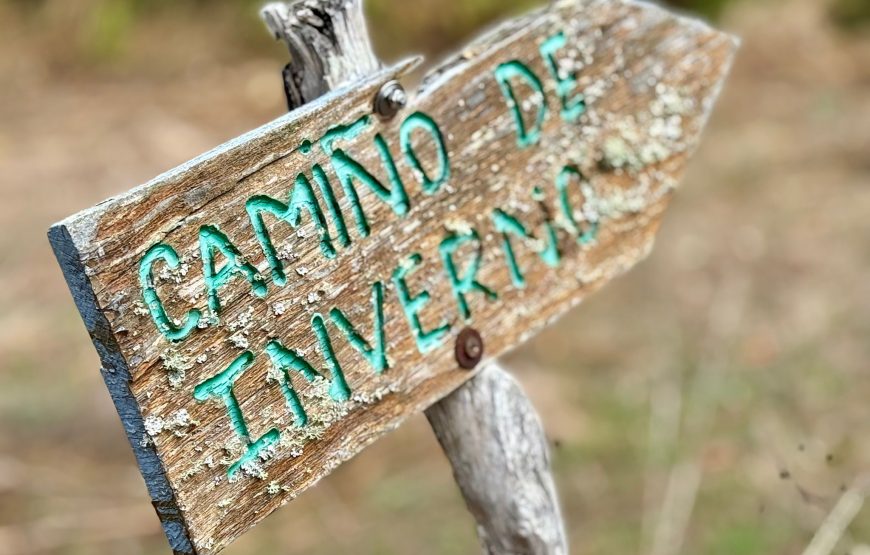
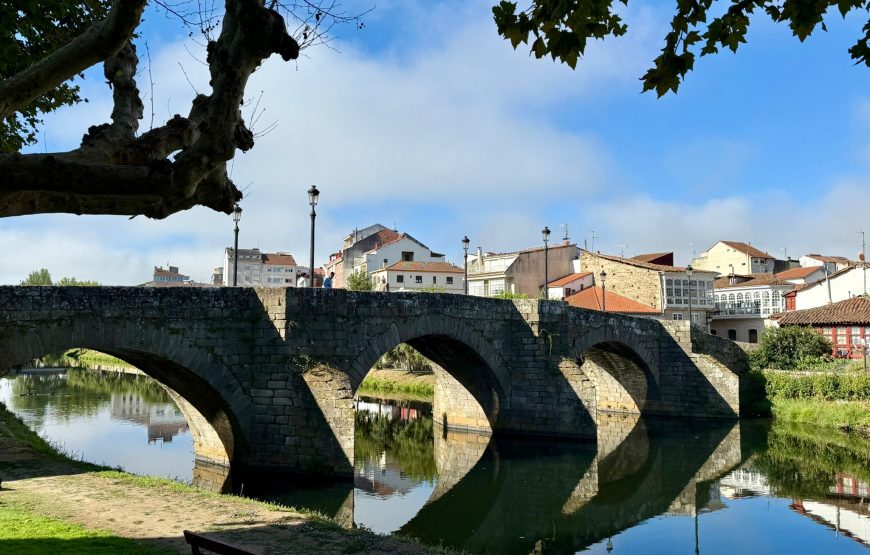
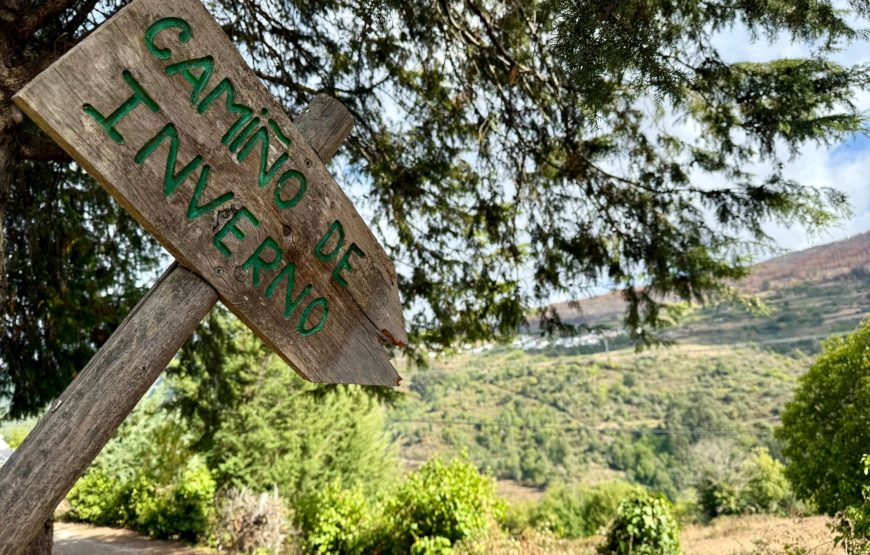
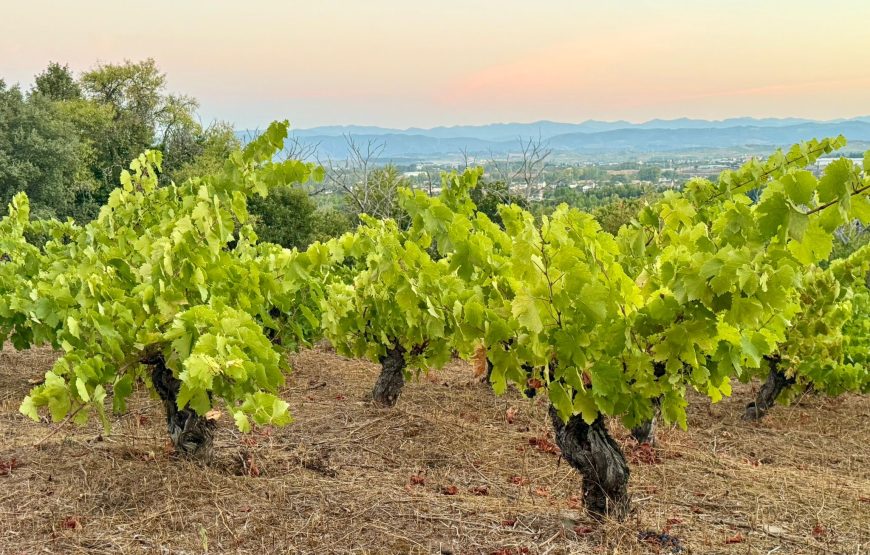
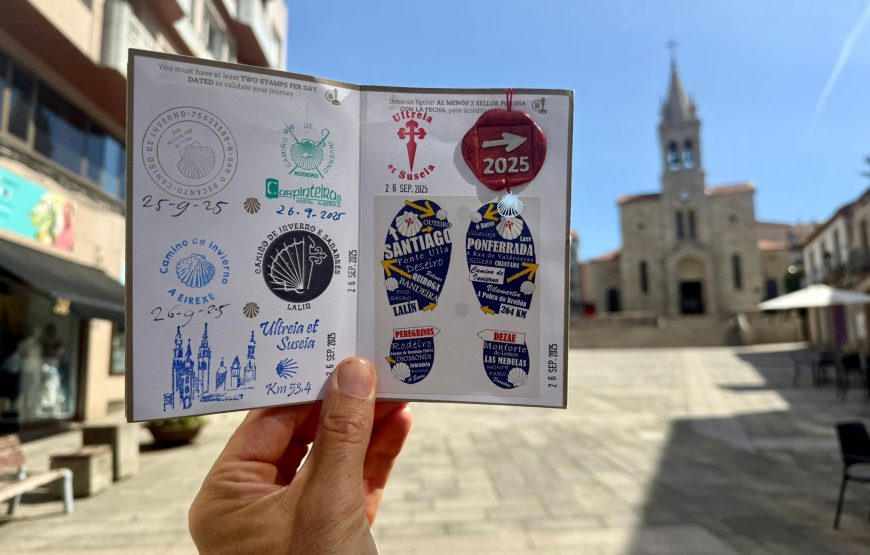
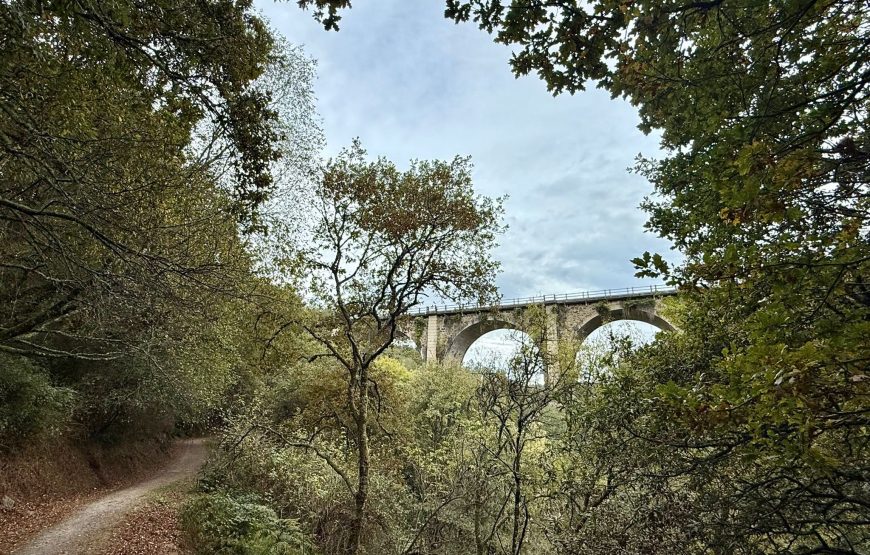
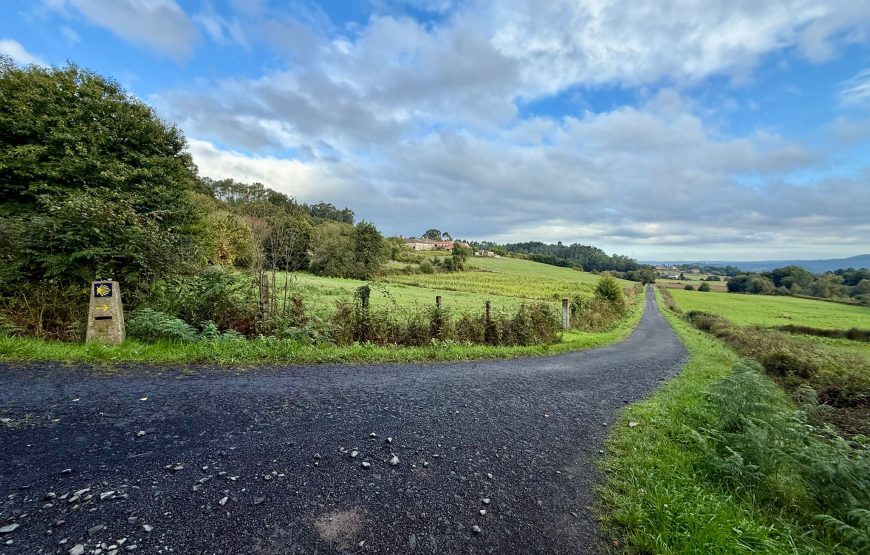
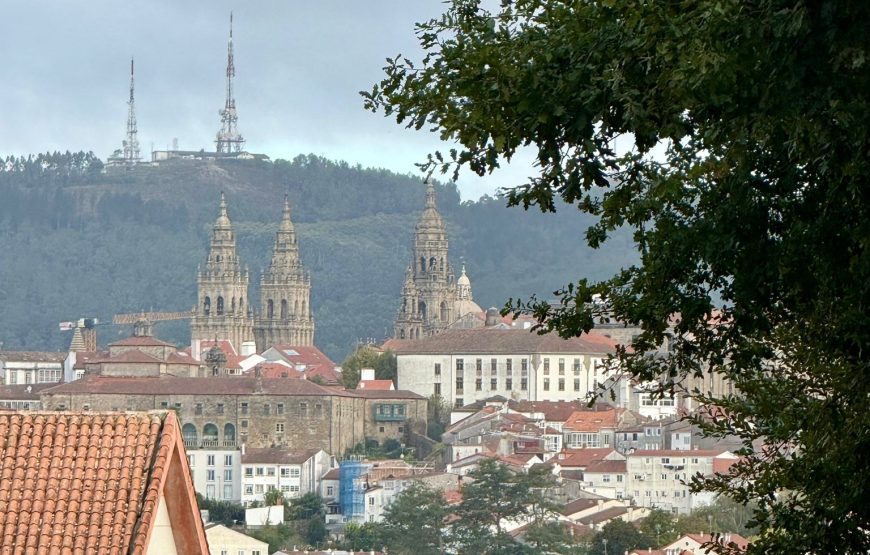
Overview
The Camino de Invierno, or “Winter Way”, is one of the most peaceful and scenic routes leading to Santiago de Compostela. Stretching from Ponferrada to the cathedral of Santiago de Compostela, it offers an experience shaped by nature, history, and the quiet charm of rural Galicia and Castilla y León. It is a route for walkers who enjoy wide landscapes, authentic villages, and the feeling of walking through a Spain that remains wonderfully untouched.
Historically, the Camino de Invierno emerged as an alternative to the steep and unpredictable crossing of O Cebreiro on the French Way. In winter, snow often made the mountain pass dangerous, so pilgrims followed the Sil River valley instead, entering Galicia through gentler terrain. This “winter” route soon became a safer passage not only for pilgrims, but also for traders moving between regions. You can still feel this heritage in many places along the path: old bridges, Roman traces, medieval chapels, and villages that once served travellers centuries ago.
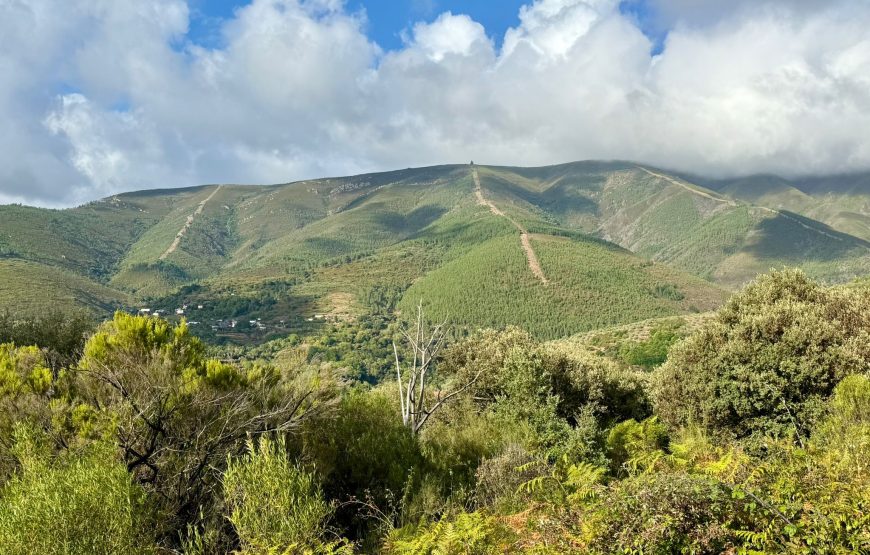
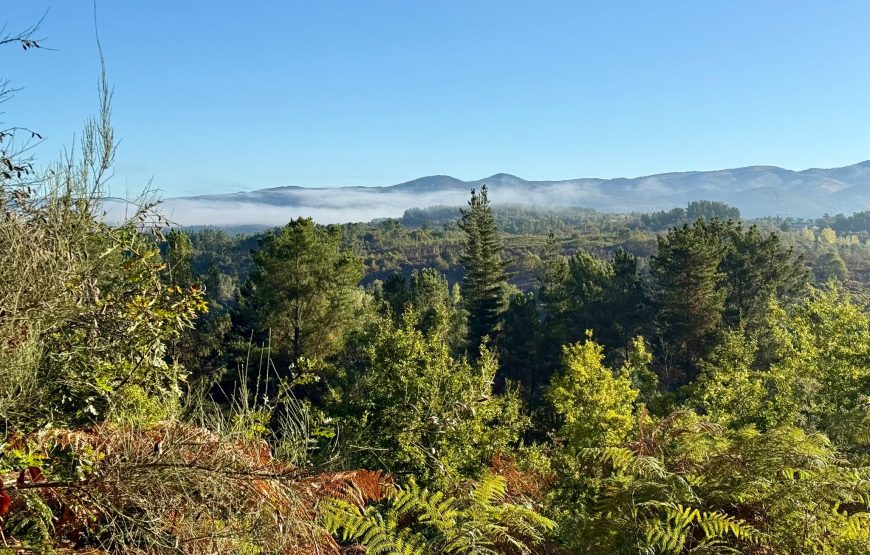
One of the Camino de Invierno’s greatest strengths is its variety. The route begins in Ponferrada and soon leads you to the dramatic red cliffs of Las Médulas, a UNESCO World Heritage site shaped by ancient Roman gold mining. From there, the landscape shifts constantly: river valleys, vineyards, open farmland, beautiful hills, and stretches of woodland. Despite these contrasts, the overall tone of the route is calm. The Camino de Invierno is known for its tranquillity, often giving pilgrims long stretches of solitude where the only sounds are birds, wind, and footsteps.
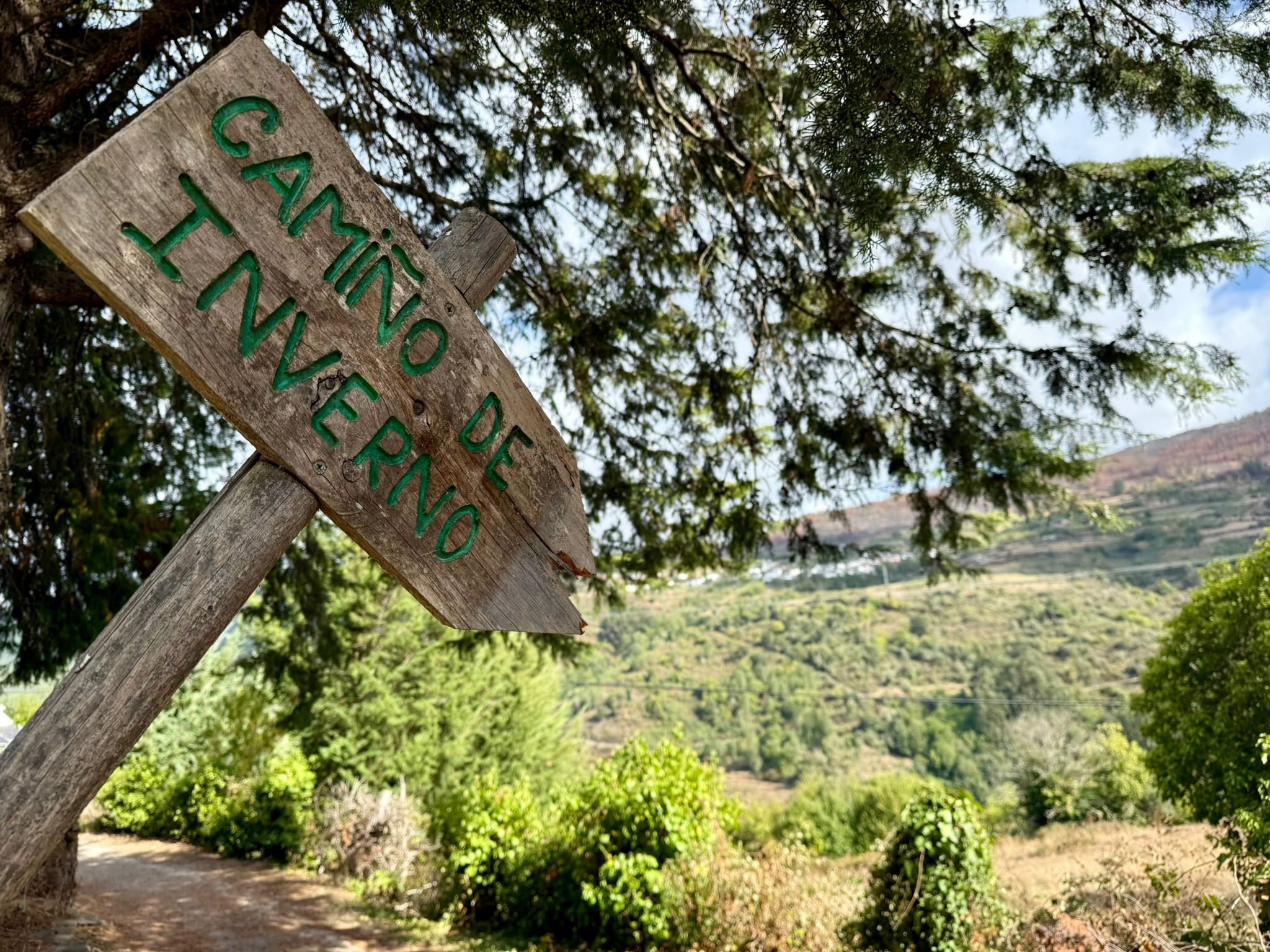
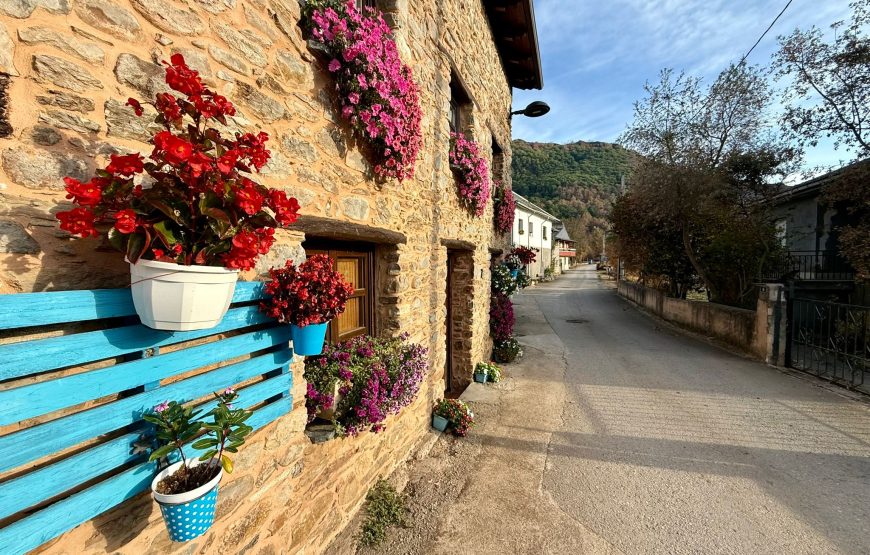
The Camino de Invierno is not crowded, and that is part of its charm. You pass through places where life moves slowly and where the Camino still feels woven into the local rhythm rather than shaped for tourism. The authenticity of the region is one of the most rewarding parts of the walk. But the arrival in Santiago carries the same magic as on other routes, perhaps even more so after days of quiet reflection!
The Camino de Invierno may be one of the lesser-known routes, but for many who walk it, that becomes its greatest strength. It offers depth, beauty, and a feeling of discovery: a Camino where every day feels meaningful and every step brings you closer not only to Santiago, but to your own rhythm of walking.
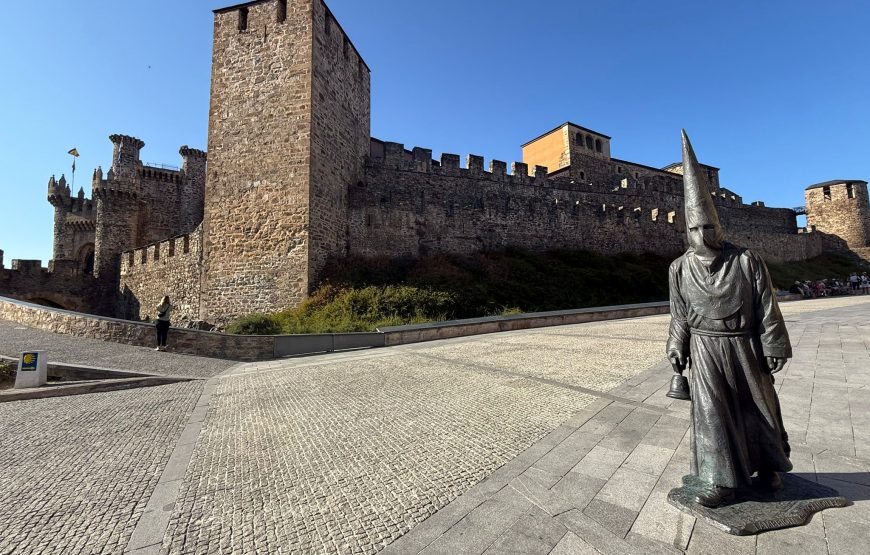
Ponferrada is a lively town that immediately sets the tone for the Camino de Invierno. The Castillo de Ponferrada greets you as you arrive, together with landmarks like the Basílica de la Virgen de la Encina and the old quarter, hinting at centuries of stories woven into these streets. Wander a little, organise your gear, and mentally prepare for the adventure ahead, because tomorrow you take your first steps towards Santiago de Compostela.
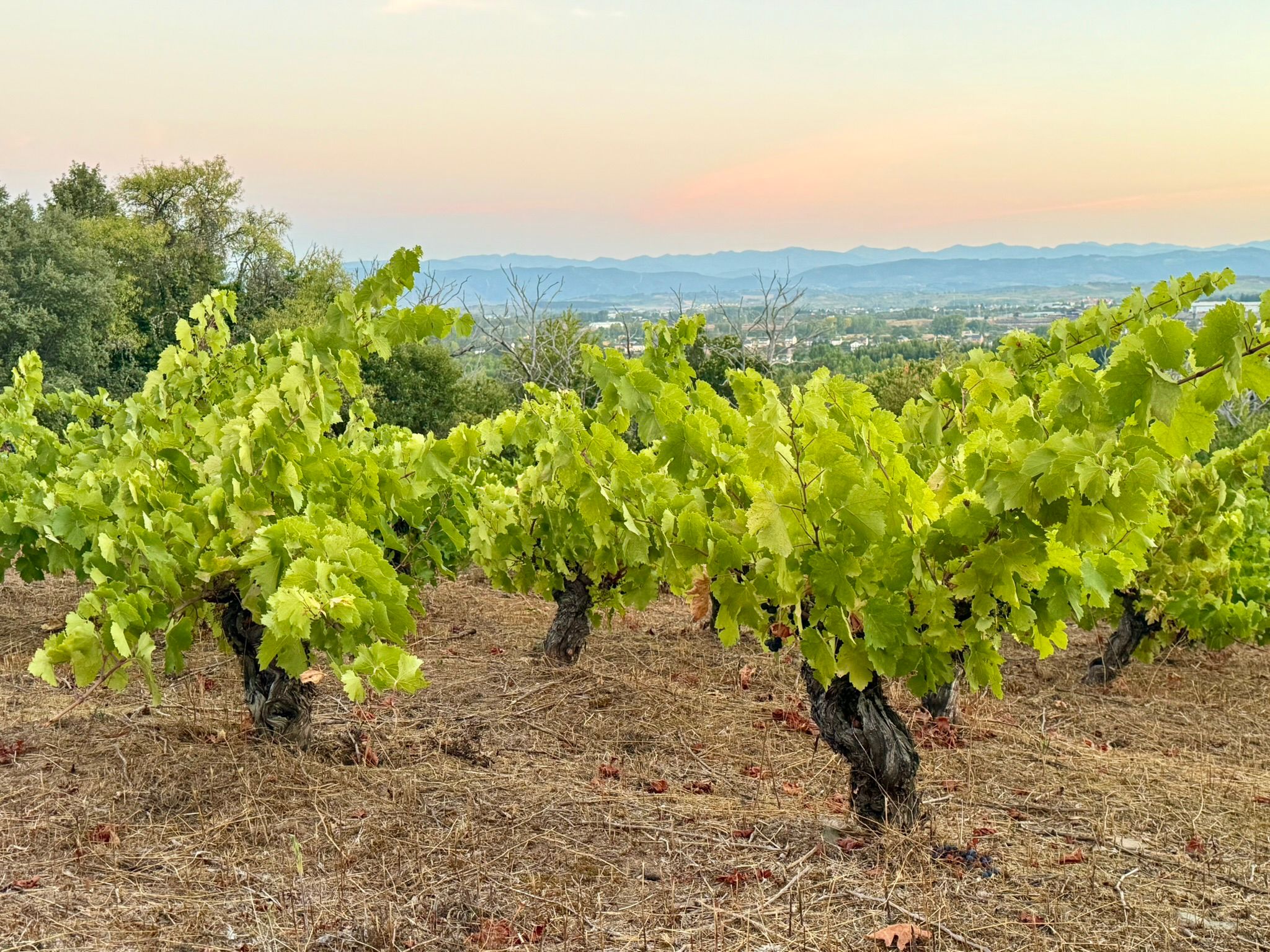
Your first walking day begins by leaving Ponferrada behind and moving through some small villages in the open countryside. As you progress, the landscape gradually rises and the views expand, hinting at the climb still to come. Little by little, the surroundings become wilder, and the stage ends at Las Médulas, where vivid red cliffs and ancient history create a powerful and unforgettable finish to your first day.
Today begins with a gentle descent from the heights of Las Médulas, where wide views open over the hills and mark your farewell to this remarkable landscape. As you make your way down, the surroundings soften and the path leads you towards the border of Galicia. From here, the Camino de Invierno guides you through small villages that offer a glimpse into everyday rural life. The day ends with relaxed walking into O Barco de Valdeorras, your stop for the night.
If you prefer a more relaxed pace, this stage can also be divided into two shorter days.
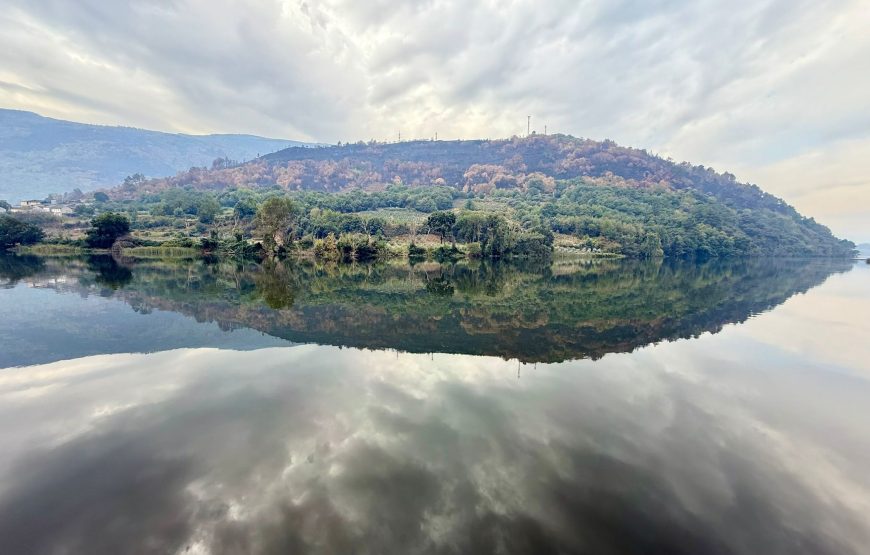
Today offers a gentle and refreshing stretch of the Camino de Invierno. Leaving O Barco de Valdeorras, the path follows the Sil River through calm countryside, with easy terrain and a relaxed pace throughout the stage. Small villages appear along the way, giving the walk a peaceful, local feel as you move between farmland and clusters of houses. With mostly flat ground and quiet surroundings, this stage feels lighter and more restorative, guiding you comfortably into A Rúa de Valdeorras for the evening.
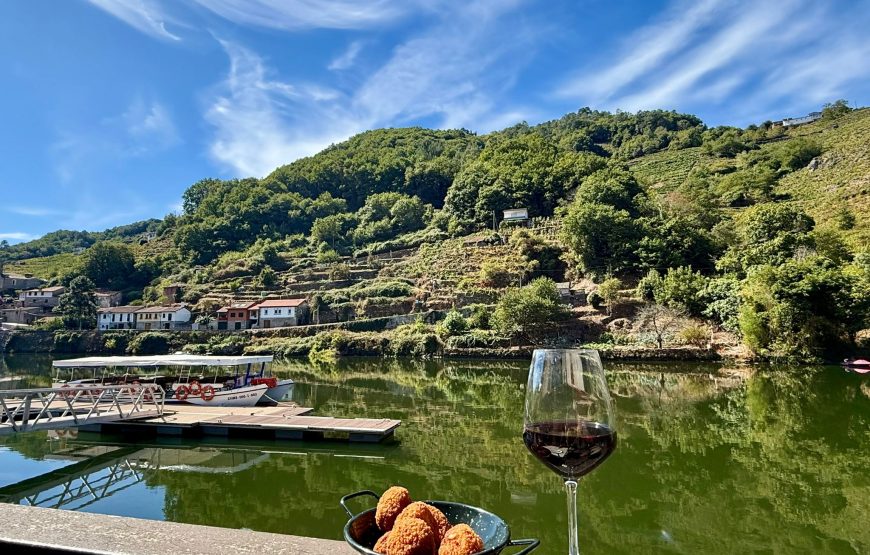
This is a day where the Camino de Invierno reveals some of its most evocative landscapes. Leaving A Rúa de Valdeorras, the trail follows the Sil River valley, its curves and hills shaping the rhythm of the stage. The scenery gradually becomes broader and more dramatic, offering long views and moments of real stillness. Climbs and descents keep the day varied without becoming demanding. As you approach Quiroga, the valley widens and the path softens again, giving you a calm, reflective finish after a stage rich in atmosphere, history, and river-side beauty.
Today the Camino de Invierno greets you with an early challenge as you leave Quiroga and begin the steady climb out of the Sil valley. The ascent unfolds gradually, and as you gain height, the landscape widens and the hills stretch around you. Near the top, the serenity of the route deepens before the path begins its descent toward the Lor River. After crossing the valley, the terrain becomes gentler, leading you through farmland. The stage ends calmly in A Pobra de Brollón, a quiet and welcoming stop after a day shaped by views and elevation.
This shorter stage of the Camino de Invierno carries you through a gentle and welcoming rural landscape. Leaving A Pobra de Brollón, the path reflects the slow rhythm of countryside life. The walking is easy, with farmland, fields, and clusters of traditional houses accompanying you along the way. As you progress, the scenery broadens and hints of Monforte de Lemos begin to appear in the distance. The final approach leads you into a town full of character and history, offering a smooth transition from peaceful rural stretches to a lively and inviting evening destination.
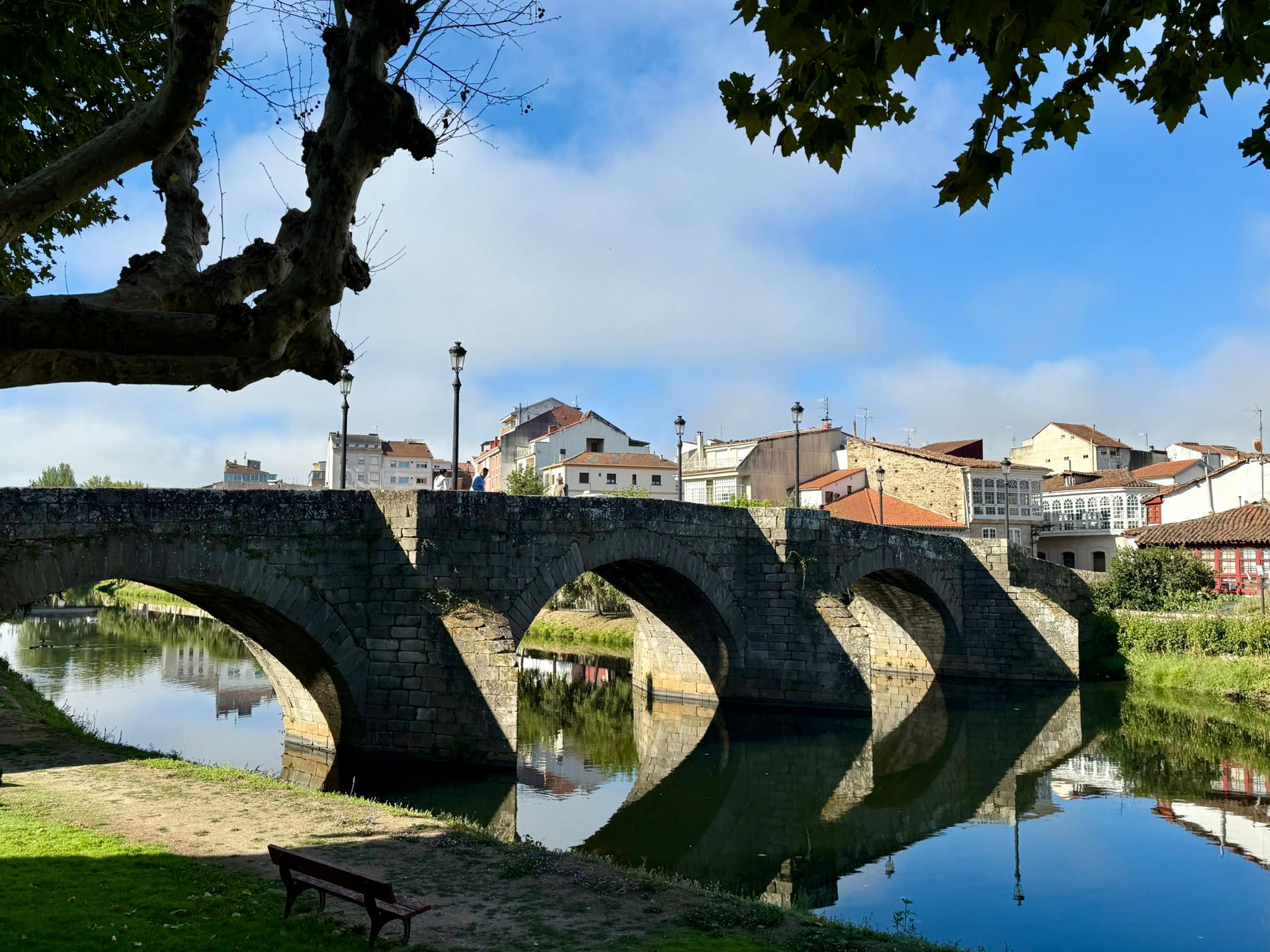
This is one of the more demanding yet rewarding stages of the Camino de Invierno. Leaving Monforte de Lemos, the route starts gently before rising toward the first main climb of the day. As you gain height, wide views open over farmland and the surrounding hills. After reaching the top, a long descent leads you toward the Miño River valley, where the stone-built village of Belesar appears quietly beside the water. Crossing the old bridge marks the beginning of the second climb, a slower and greener ascent. The final stretch takes you calmly into Chantada, a welcoming place to end a full and varied day.
Today’s stage on the Camino de Invierno begins to rise gradually, and with each step the views become wider and more open. After passing Peñasilás, the climb continues toward the high point of the day, where broad horizons stretch across the surrounding countryside. From here, the walking becomes easier again, with a gentle descent into Vilanova de Camba. The final approach into Rodeiro is calm and relaxed, ending the day in a small and friendly town.
Today’s stage of the Camino de Invierno eases you into a steady and comfortable rhythm. As you walk, the scenery shifts gently between farmland and small patches of woodland, giving the stage a varied but relaxed feel. Stone bridges, rural houses, and small streams add charm along the way without demanding much effort. The final stretch into Lalín is straightforward and pleasant, guiding you into a town known as a crossroads for several Camino routes and a place to rest for the night.
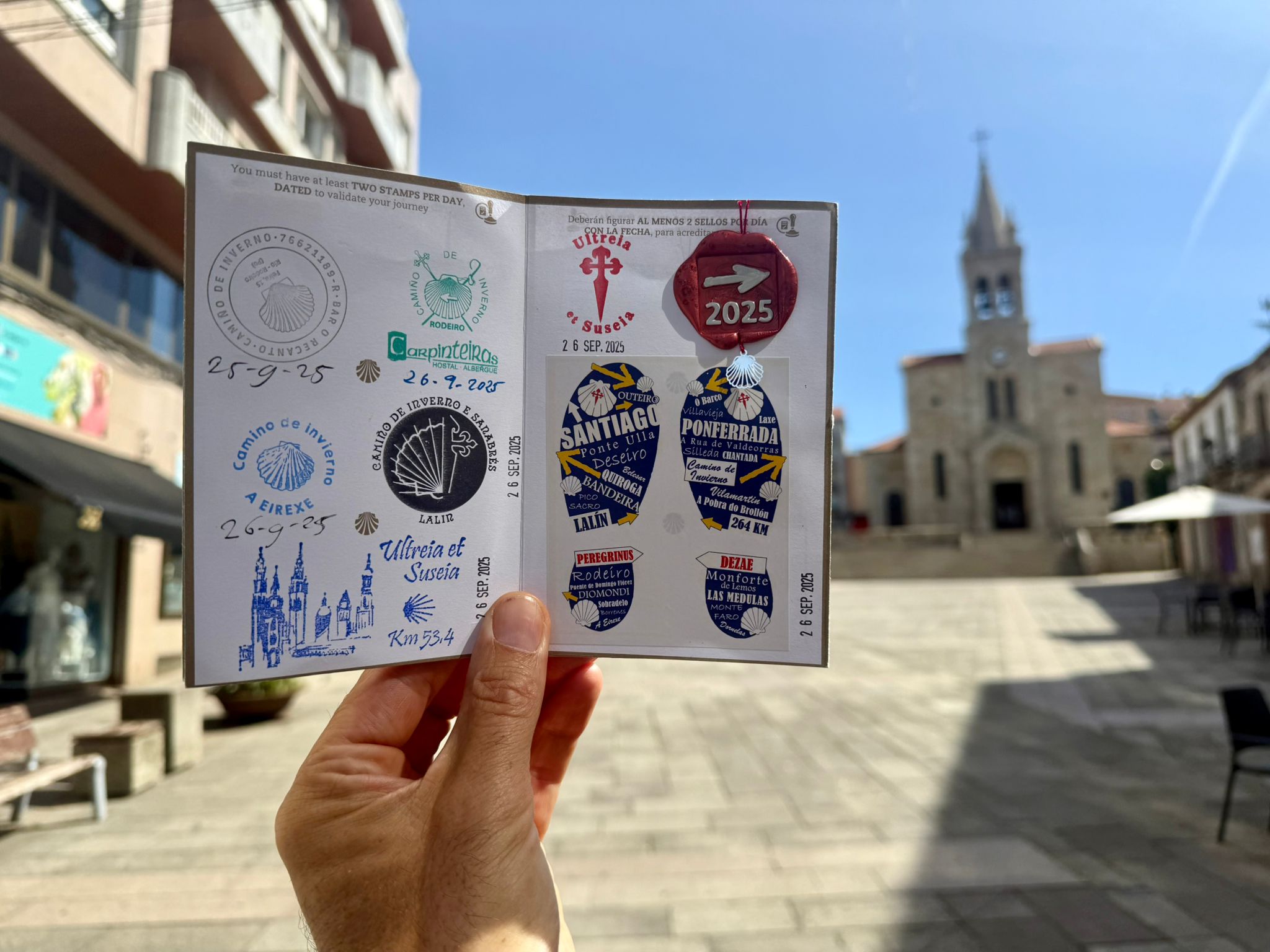
This gentle stage of the Camino de Invierno offers a calm and pleasant walk between villages and countryside. Leaving Lalín, the path leads along quiet streets before opening into rural landscapes of fields and light woodland. The ups and downs are mild, giving the day an easy rhythm as you pass through small hamlets with a relaxed, traditional feel. Midway through the stage, the historic stone bridge at A Ponte Taboada adds a touch of history to the route. From there, the way continues through peaceful surroundings toward Trasfontao, before an easy final stretch guides you into Silleda, a town with everything you need for a restful evening.
Leaving Silleda, the walking remains relaxed as you continue toward Dornelas and San Miguel de Castro, where the landscape feels peaceful and open. A long descent then leads you to Ponte Ulla, where crossing the river marks a shift in scenery and tone. From here, a gradual climb begins through rural surroundings, guiding you toward the small and tranquil Eira Vedra, your peaceful stop for the night.
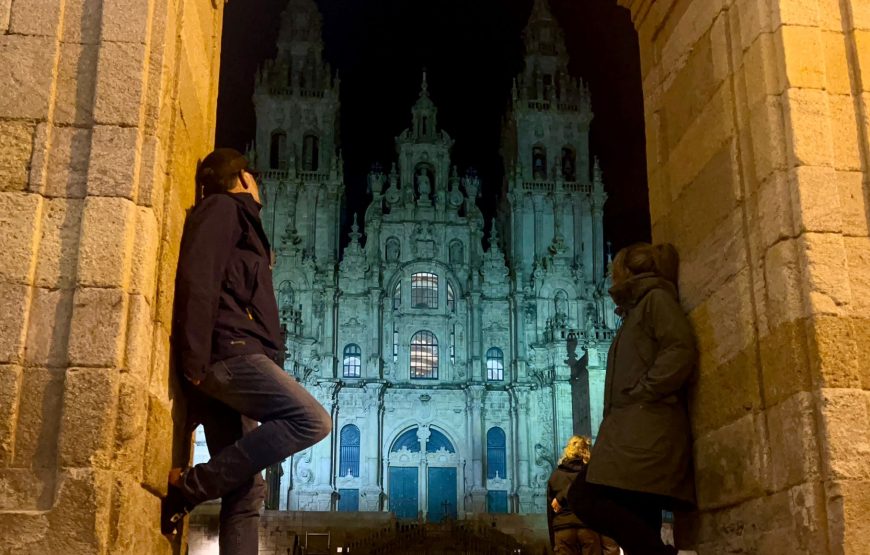
Your final day on the Camino de Invierno! Leaving Eira Vedra, the path guides you through peaceful countryside, but you can already feel Santiago drawing you in. Soon you are moving through Lestedo, A Susana, and Piñeiro as the landscape gently rises and falls. With every village the anticipation grows, and distant glimpses of the city begin to appear. As the cathedral towers finally come into view, joy and accomplishment carry you the rest of the way. Entering Santiago is a triumphant moment to celebrate your journey and proudly collect your Compostela!
Today is your time to say goodbye. Enjoy a final stroll through Santiago’s historic streets, soak in the atmosphere around the cathedral, and reflect on the journey you’ve just completed. And who knows – maybe you’ll be back sooner than you think? 🙂
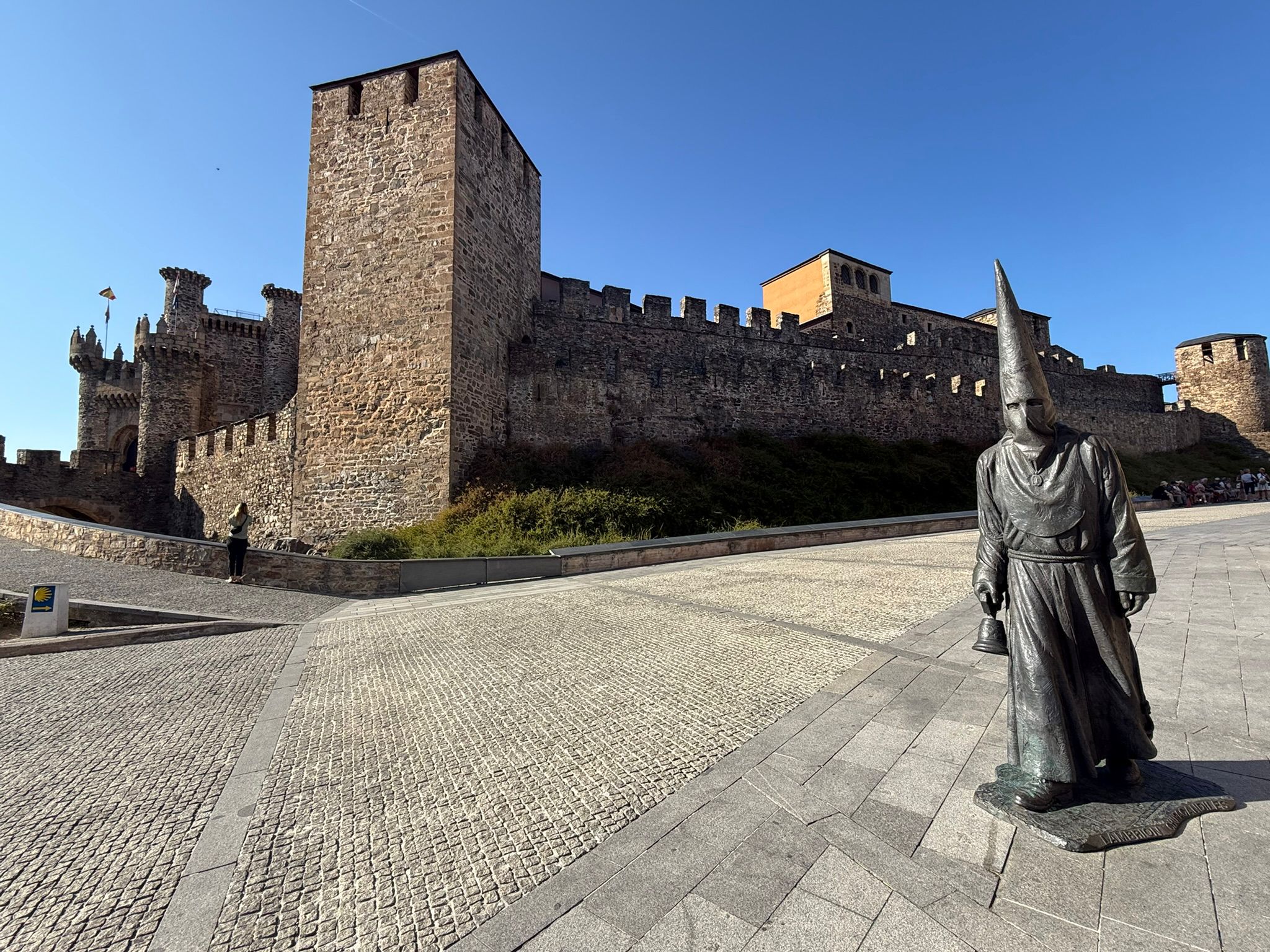
Ponferrada is a lively town that immediately sets the tone for the Camino de Invierno. The Castillo de Ponferrada greets you as you arrive, together with landmarks like the Basílica de la Virgen de la Encina and the old quarter, hinting at centuries of stories woven into these streets. Wander a little, organise your gear, and mentally prepare for the adventure ahead, because tomorrow you take your first steps towards Santiago de Compostela.
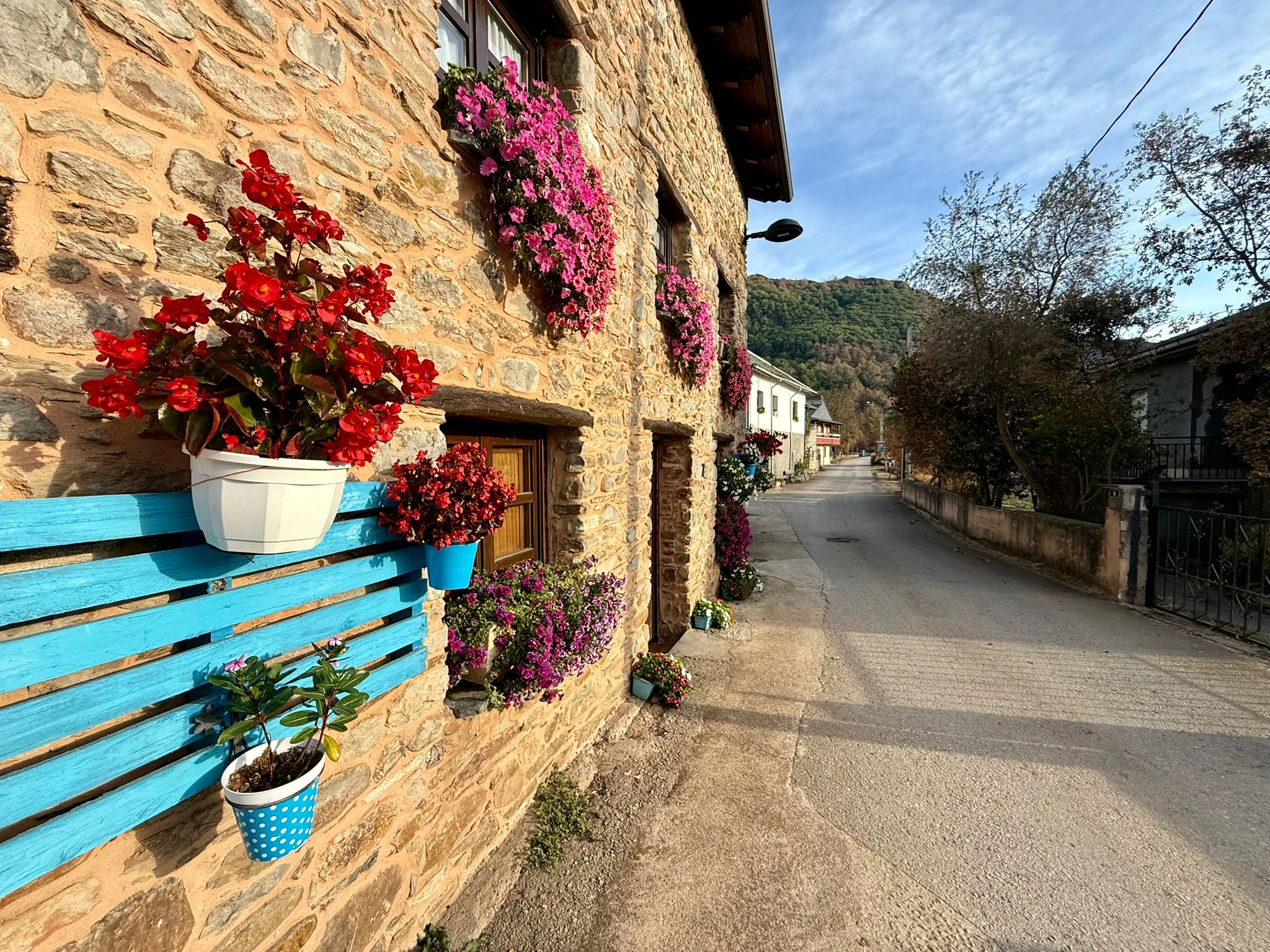
Your first walking day begins by leaving Ponferrada behind and moving through some small villages in the open countryside. As you progress, the landscape gradually rises and the views expand, hinting at the climb still to come. Little by little, the surroundings become wilder, and the stage ends at Las Médulas, where vivid red cliffs and ancient history create a powerful and unforgettable finish to your first day.
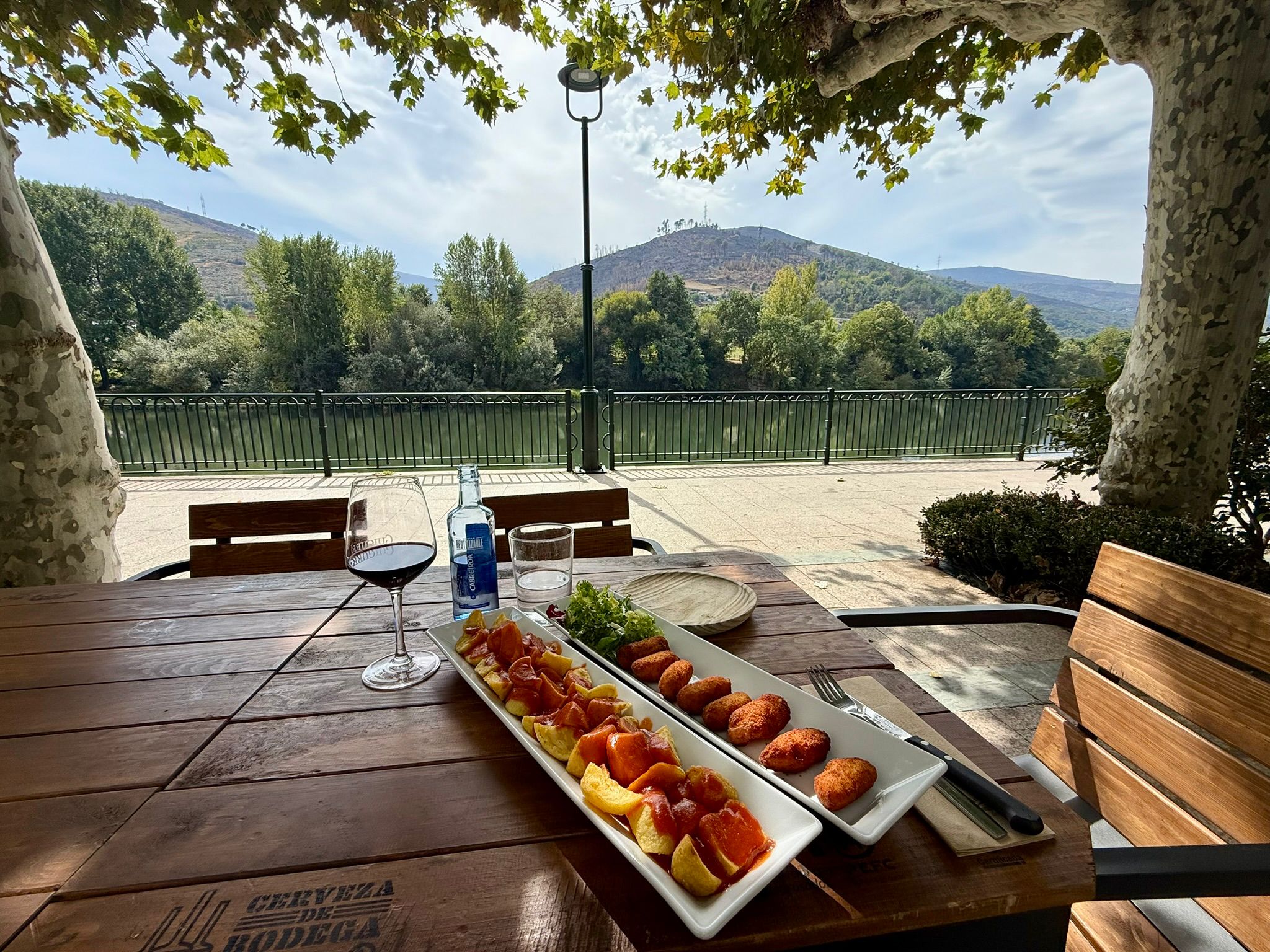
Today begins with a gentle descent from the heights of Las Médulas, where wide views open over the hills and mark your farewell to this remarkable landscape. As you make your way down, the surroundings soften and the path leads you towards the border of Galicia. From here, the Camino de Invierno guides you through small villages that offer a glimpse into everyday rural life. The day ends with relaxed walking into O Barco de Valdeorras, your stop for the night.
If you prefer a more relaxed pace, this stage can also be divided into two shorter days.
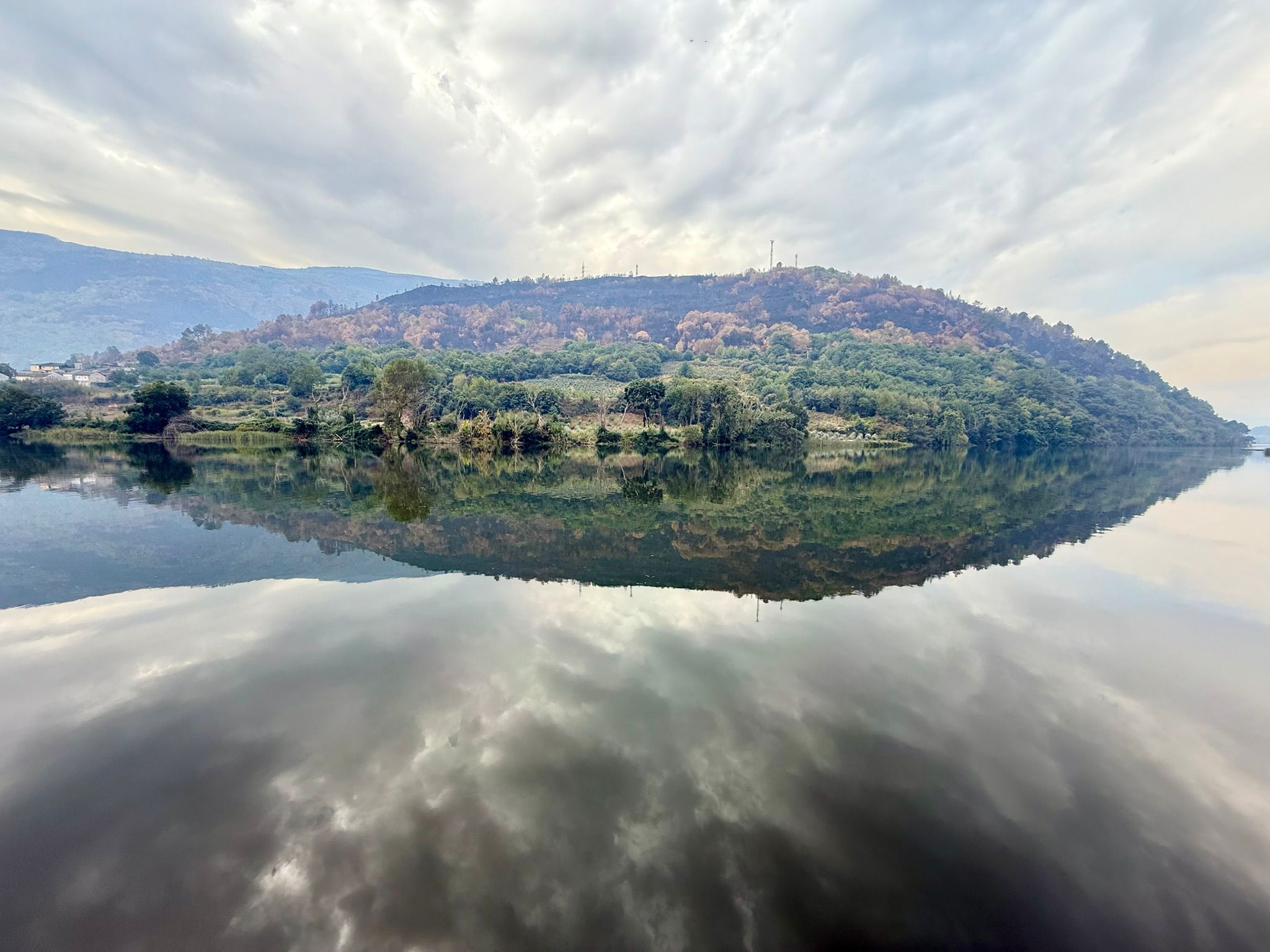
Today offers a gentle and refreshing stretch of the Camino de Invierno. Leaving O Barco de Valdeorras, the path follows the Sil River through calm countryside, with easy terrain and a relaxed pace throughout the stage. Small villages appear along the way, giving the walk a peaceful, local feel as you move between farmland and clusters of houses. With mostly flat ground and quiet surroundings, this stage feels lighter and more restorative, guiding you comfortably into A Rúa de Valdeorras for the evening.
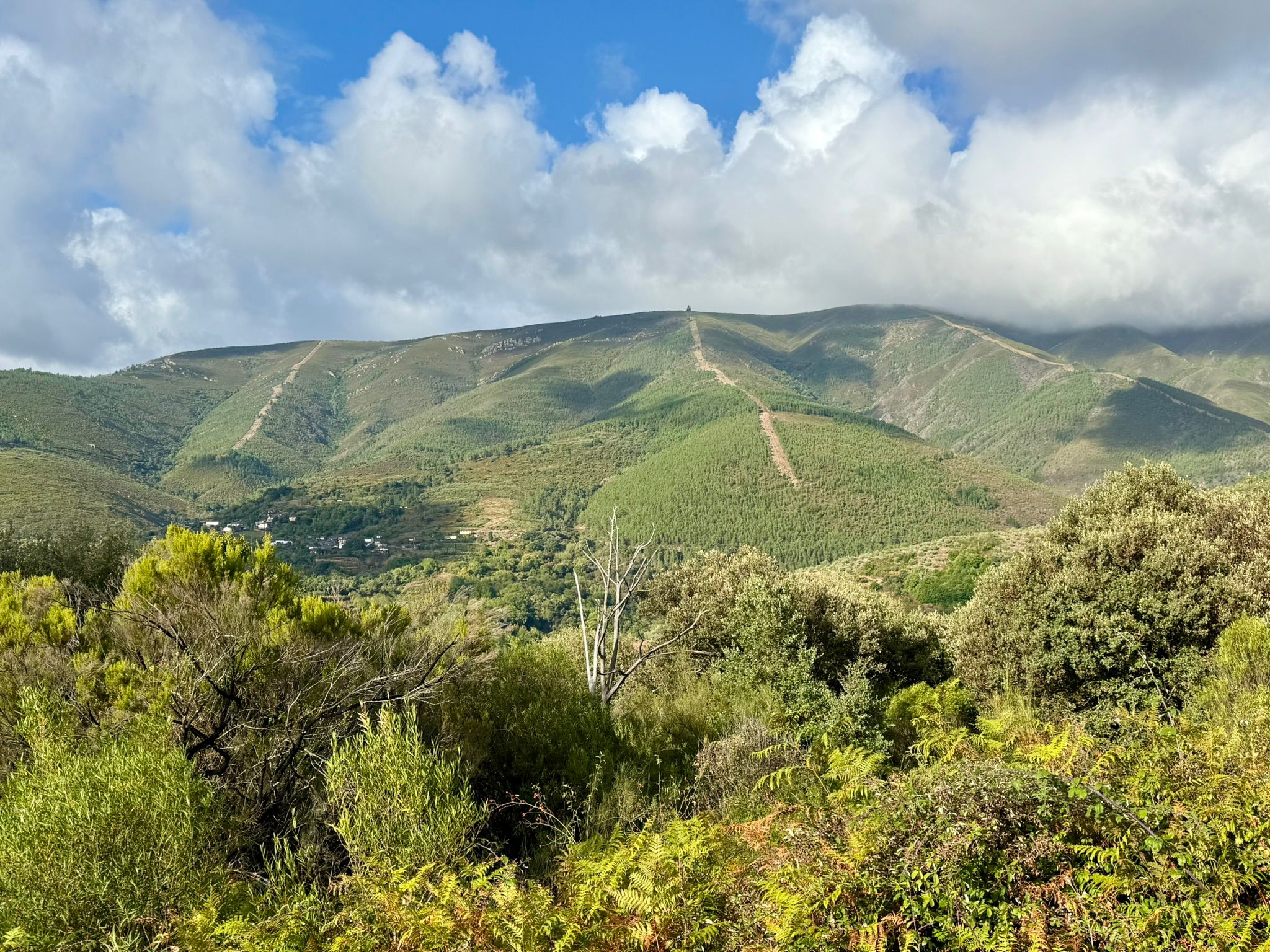
This is a day where the Camino de Invierno reveals some of its most evocative landscapes. Leaving A Rúa de Valdeorras, the trail follows the Sil River valley, its curves and hills shaping the rhythm of the stage. The scenery gradually becomes broader and more dramatic, offering long views and moments of real stillness. Climbs and descents keep the day varied without becoming demanding. As you approach Quiroga, the valley widens and the path softens again, giving you a calm, reflective finish after a stage rich in atmosphere, history, and river-side beauty.
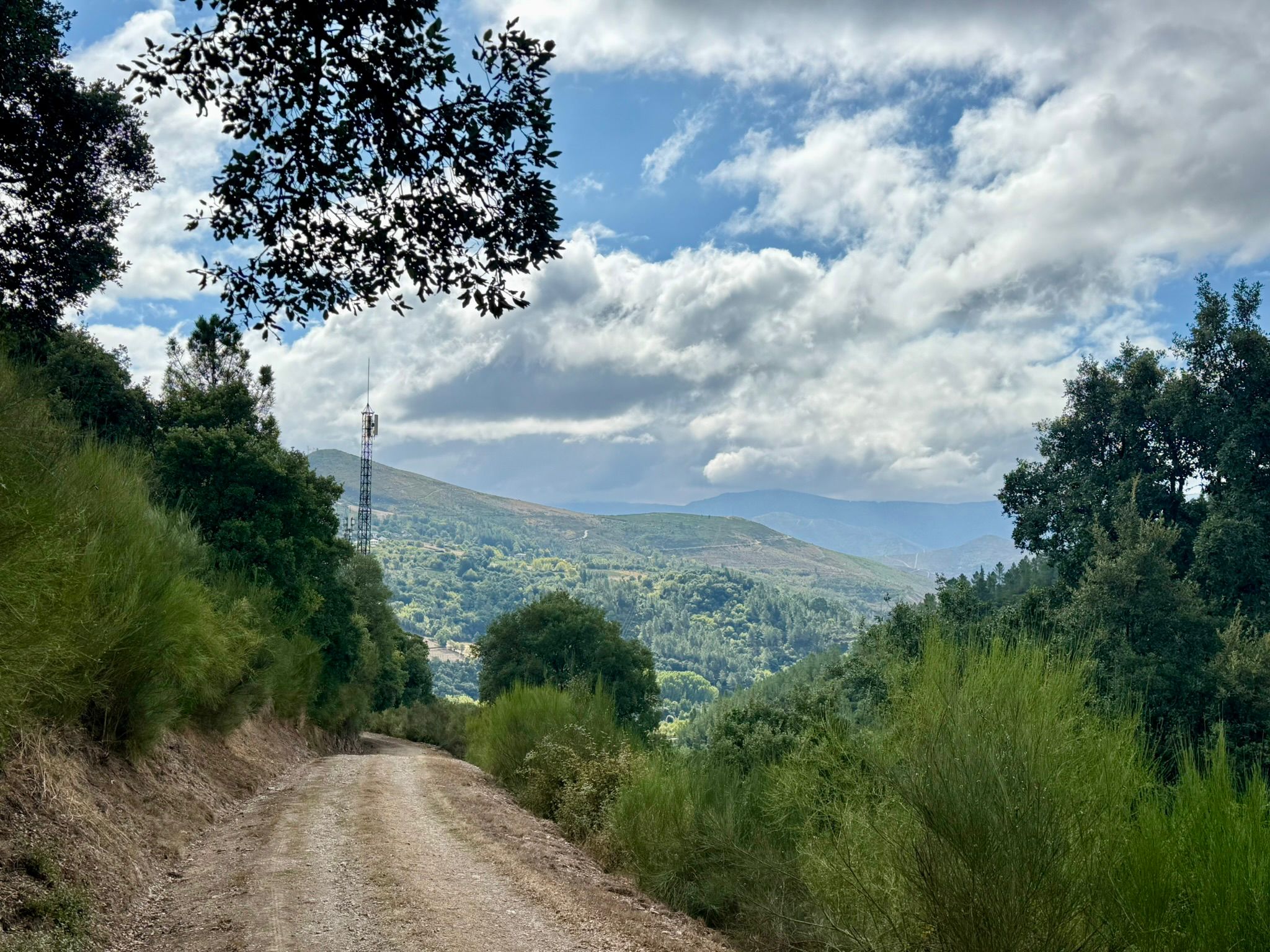
Today the Camino de Invierno greets you with an early challenge as you leave Quiroga and begin the steady climb out of the Sil valley. The ascent unfolds gradually, and as you gain height, the landscape widens and the hills stretch around you. Near the top, the serenity of the route deepens before the path begins its descent toward the Lor River. After crossing the valley, the terrain becomes gentler, leading you through farmland. The stage ends calmly in A Pobra de Brollón, a quiet and welcoming stop after a day shaped by views and elevation.
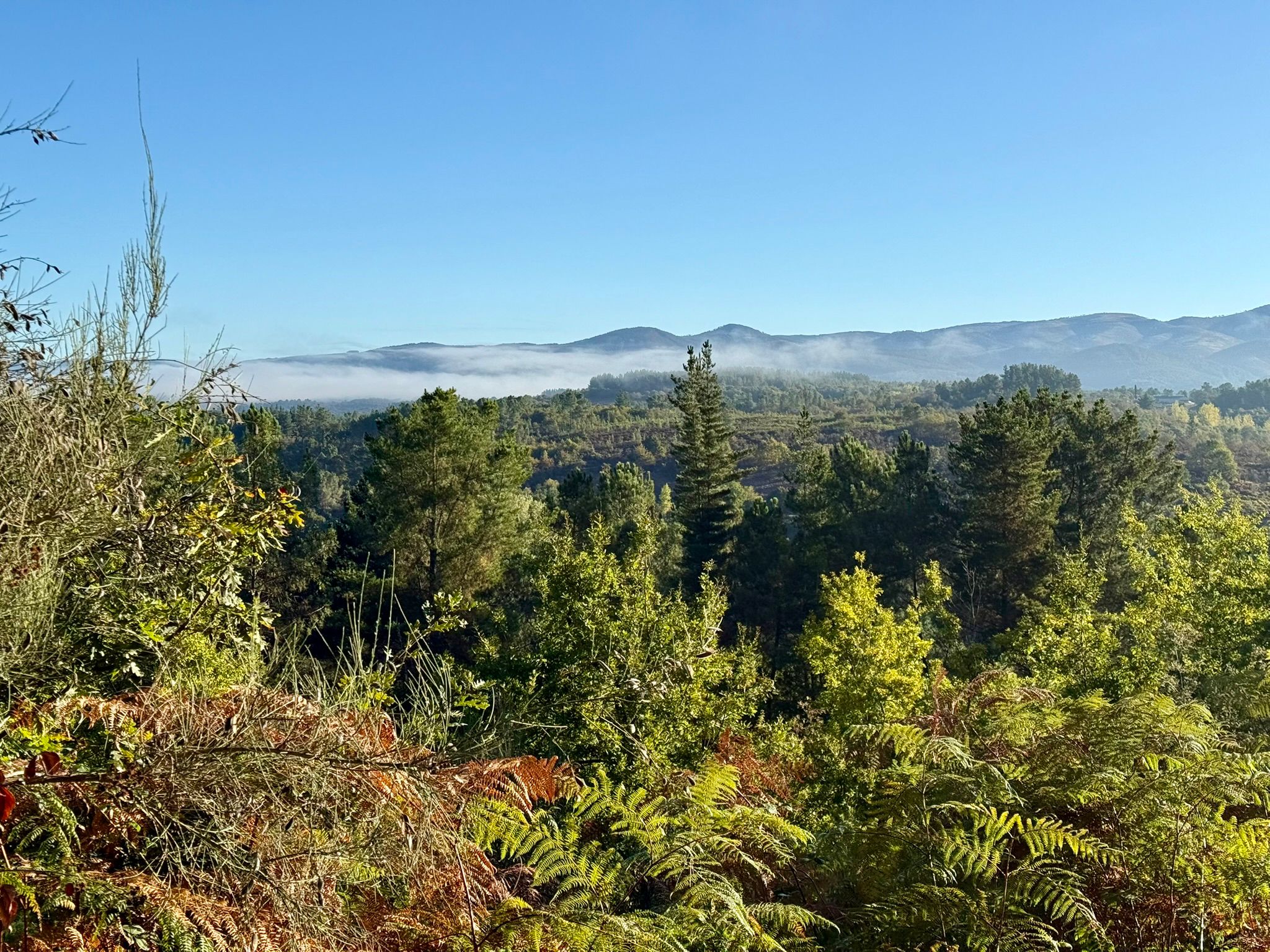
This shorter stage of the Camino de Invierno carries you through a gentle and welcoming rural landscape. Leaving A Pobra de Brollón, the path reflects the slow rhythm of countryside life. The walking is easy, with farmland, fields, and clusters of traditional houses accompanying you along the way. As you progress, the scenery broadens and hints of Monforte de Lemos begin to appear in the distance. The final approach leads you into a town full of character and history, offering a smooth transition from peaceful rural stretches to a lively and inviting evening destination.
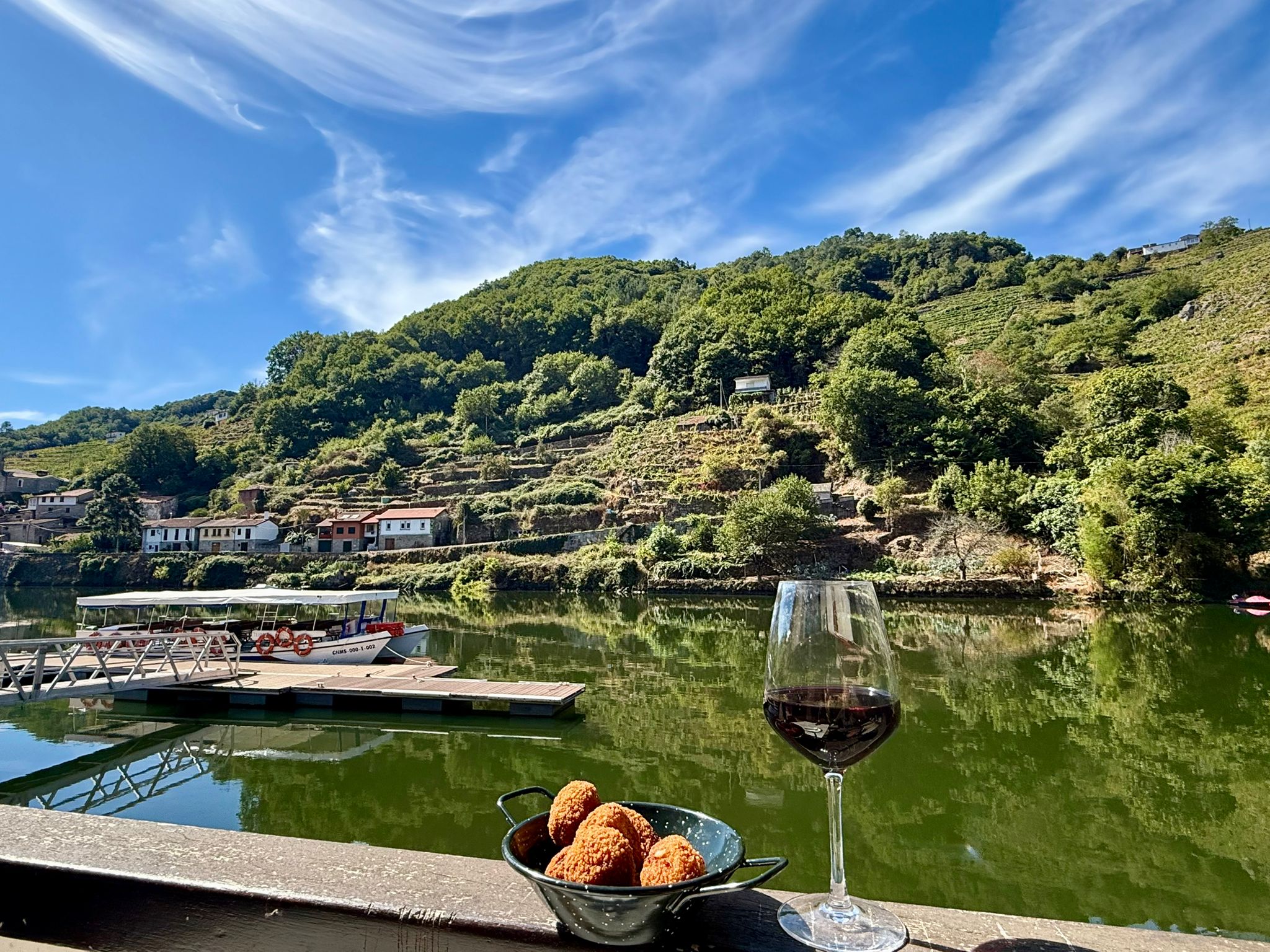
This is one of the more demanding yet rewarding stages of the Camino de Invierno. Leaving Monforte de Lemos, the route starts gently before rising toward the first main climb of the day. As you gain height, wide views open over farmland and the surrounding hills. After reaching the top, a long descent leads you toward the Miño River valley, where the stone-built village of Belesar appears quietly beside the water. Crossing the old bridge marks the beginning of the second climb, a slower and greener ascent. The final stretch takes you calmly into Chantada, a welcoming place to end a full and varied day.
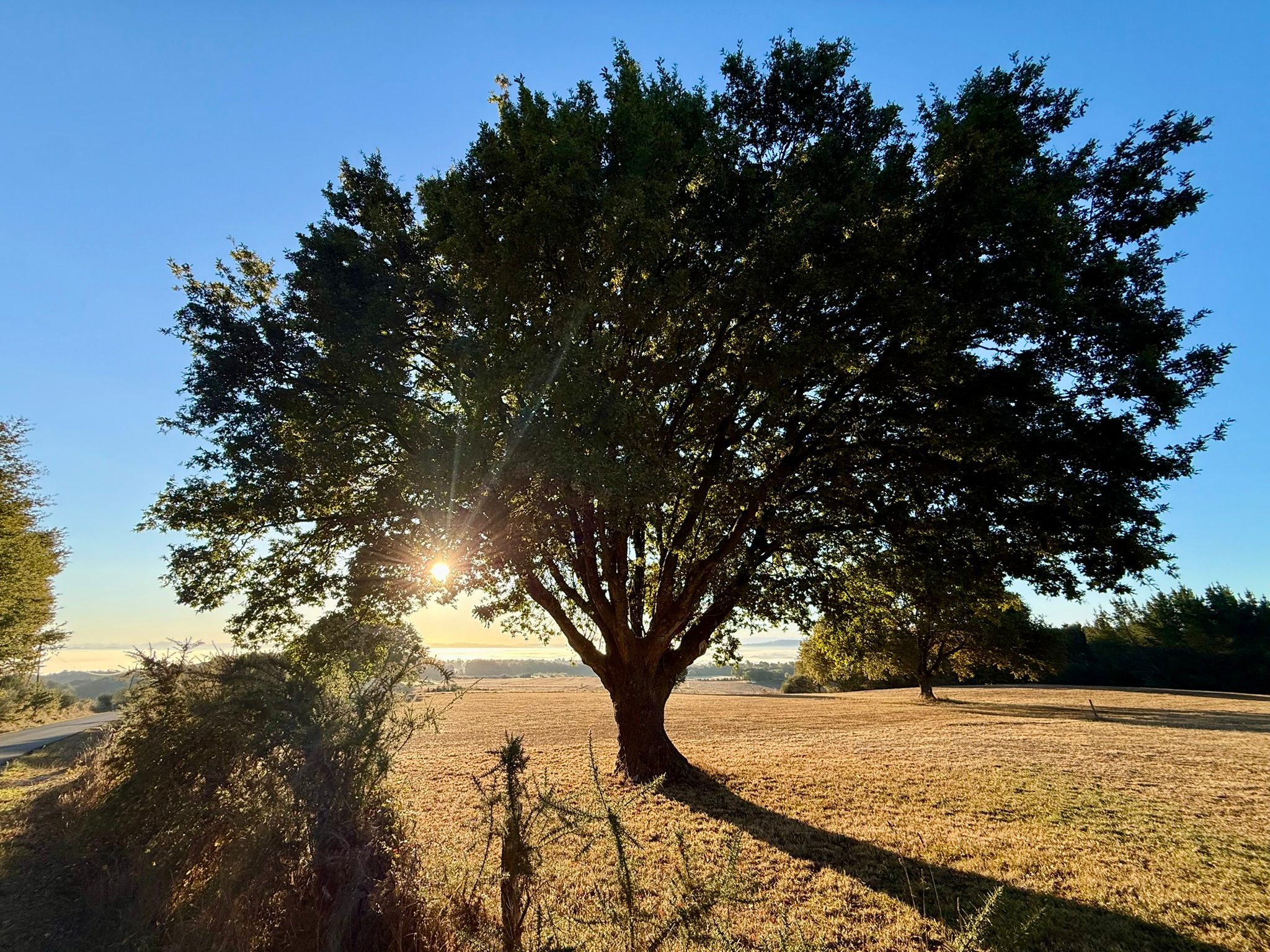
Today’s stage on the Camino de Invierno begins to rise gradually, and with each step the views become wider and more open. After passing Peñasilás, the climb continues toward the high point of the day, where broad horizons stretch across the surrounding countryside. From here, the walking becomes easier again, with a gentle descent into Vilanova de Camba. The final approach into Rodeiro is calm and relaxed, ending the day in a small and friendly town.
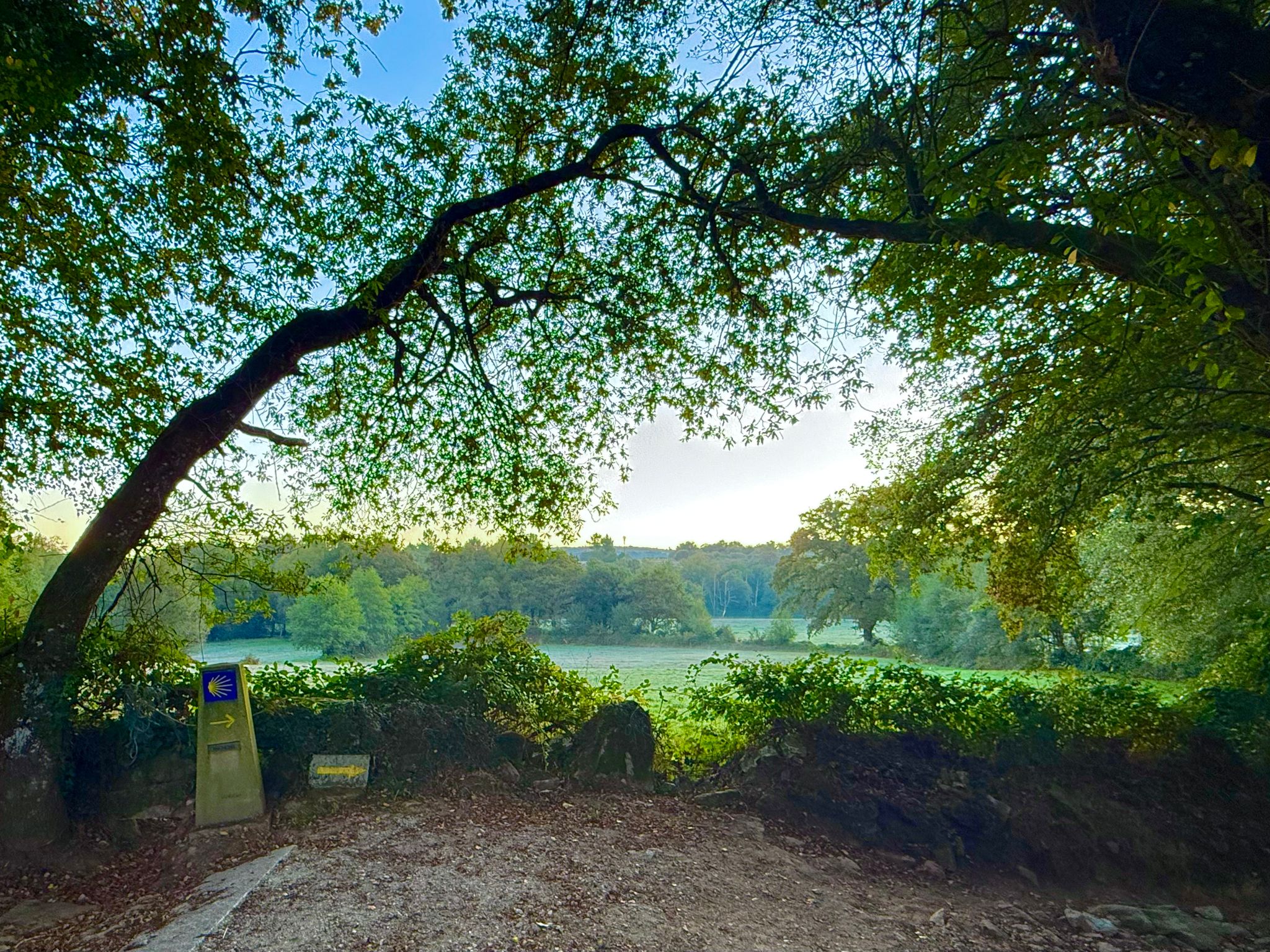
Today’s stage of the Camino de Invierno eases you into a steady and comfortable rhythm. As you walk, the scenery shifts gently between farmland and small patches of woodland, giving the stage a varied but relaxed feel. Stone bridges, rural houses, and small streams add charm along the way without demanding much effort. The final stretch into Lalín is straightforward and pleasant, guiding you into a town known as a crossroads for several Camino routes and a place to rest for the night.
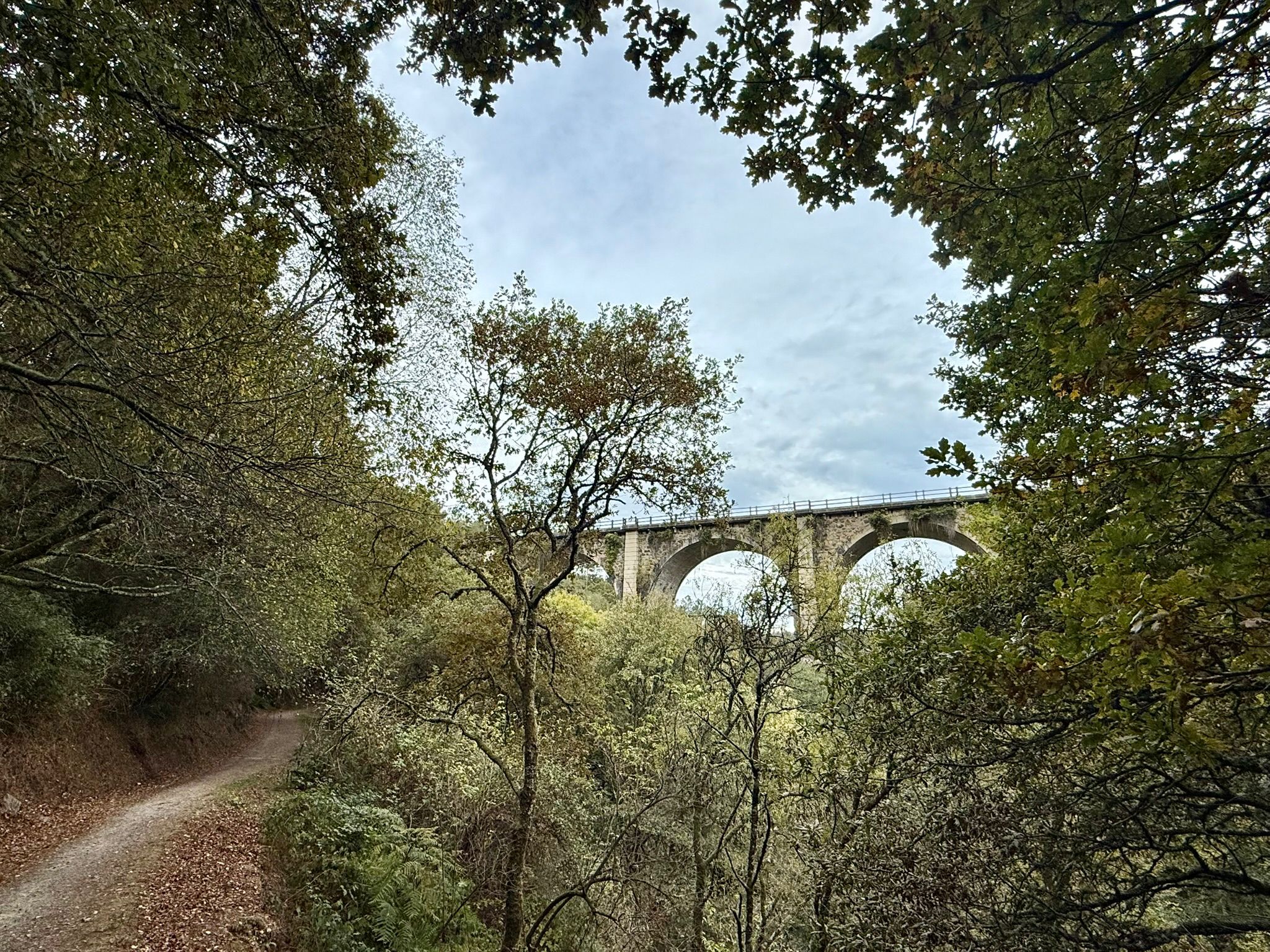
This gentle stage of the Camino de Invierno offers a calm and pleasant walk between villages and countryside. Leaving Lalín, the path leads along quiet streets before opening into rural landscapes of fields and light woodland. The ups and downs are mild, giving the day an easy rhythm as you pass through small hamlets with a relaxed, traditional feel. Midway through the stage, the historic stone bridge at A Ponte Taboada adds a touch of history to the route. From there, the way continues through peaceful surroundings toward Trasfontao, before an easy final stretch guides you into Silleda, a town with everything you need for a restful evening.

Leaving Silleda, the walking remains relaxed as you continue toward Dornelas and San Miguel de Castro, where the landscape feels peaceful and open. A long descent then leads you to Ponte Ulla, where crossing the river marks a shift in scenery and tone. From here, a gradual climb begins through rural surroundings, guiding you toward the small and tranquil Eira Vedra, your peaceful stop for the night.
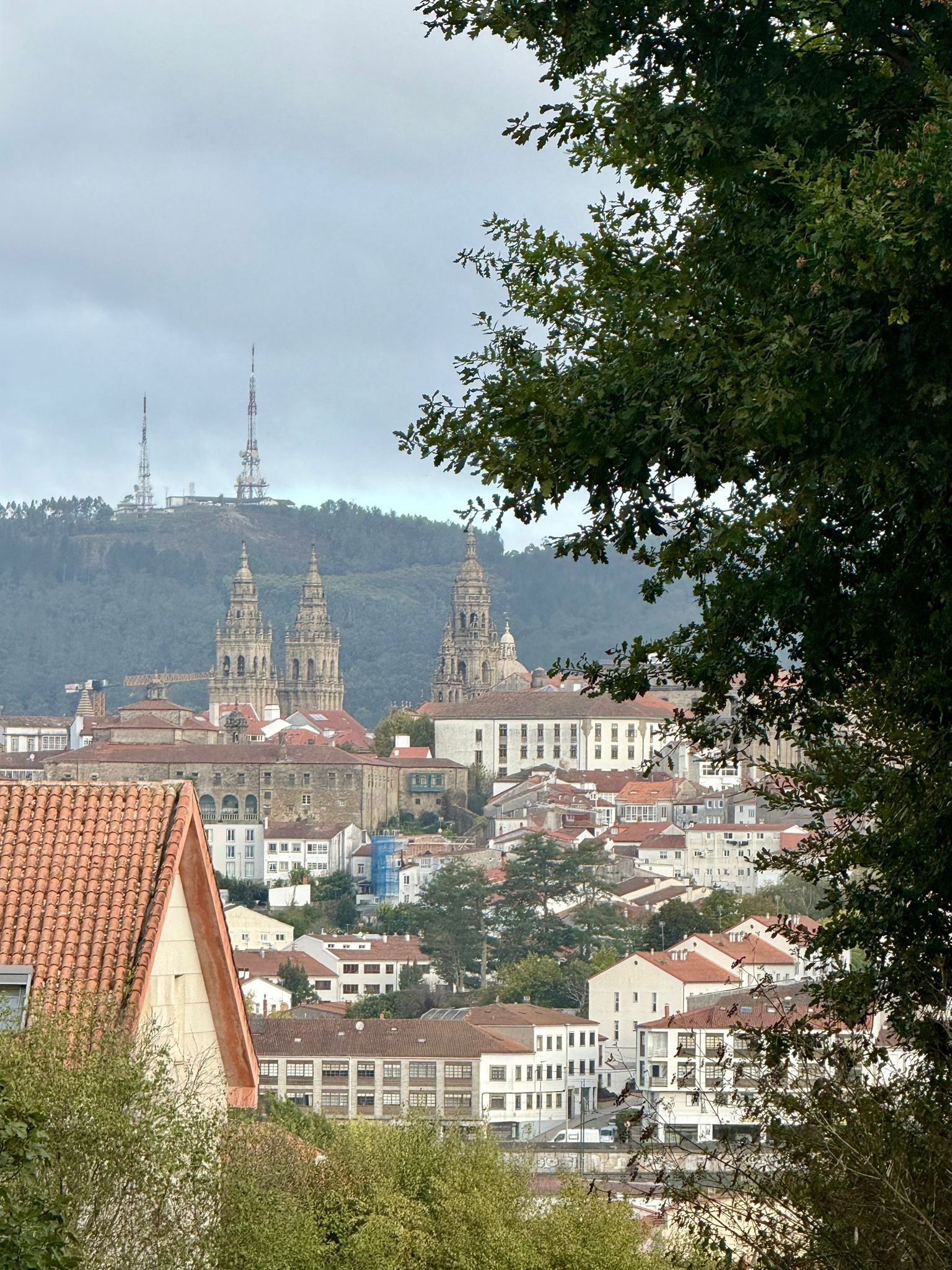
Your final day on the Camino de Invierno! Leaving Eira Vedra, the path guides you through peaceful countryside, but you can already feel Santiago drawing you in. Soon you are moving through Lestedo, A Susana, and Piñeiro as the landscape gently rises and falls. With every village the anticipation grows, and distant glimpses of the city begin to appear. As the cathedral towers finally come into view, joy and accomplishment carry you the rest of the way. Entering Santiago is a triumphant moment to celebrate your journey and proudly collect your Compostela!
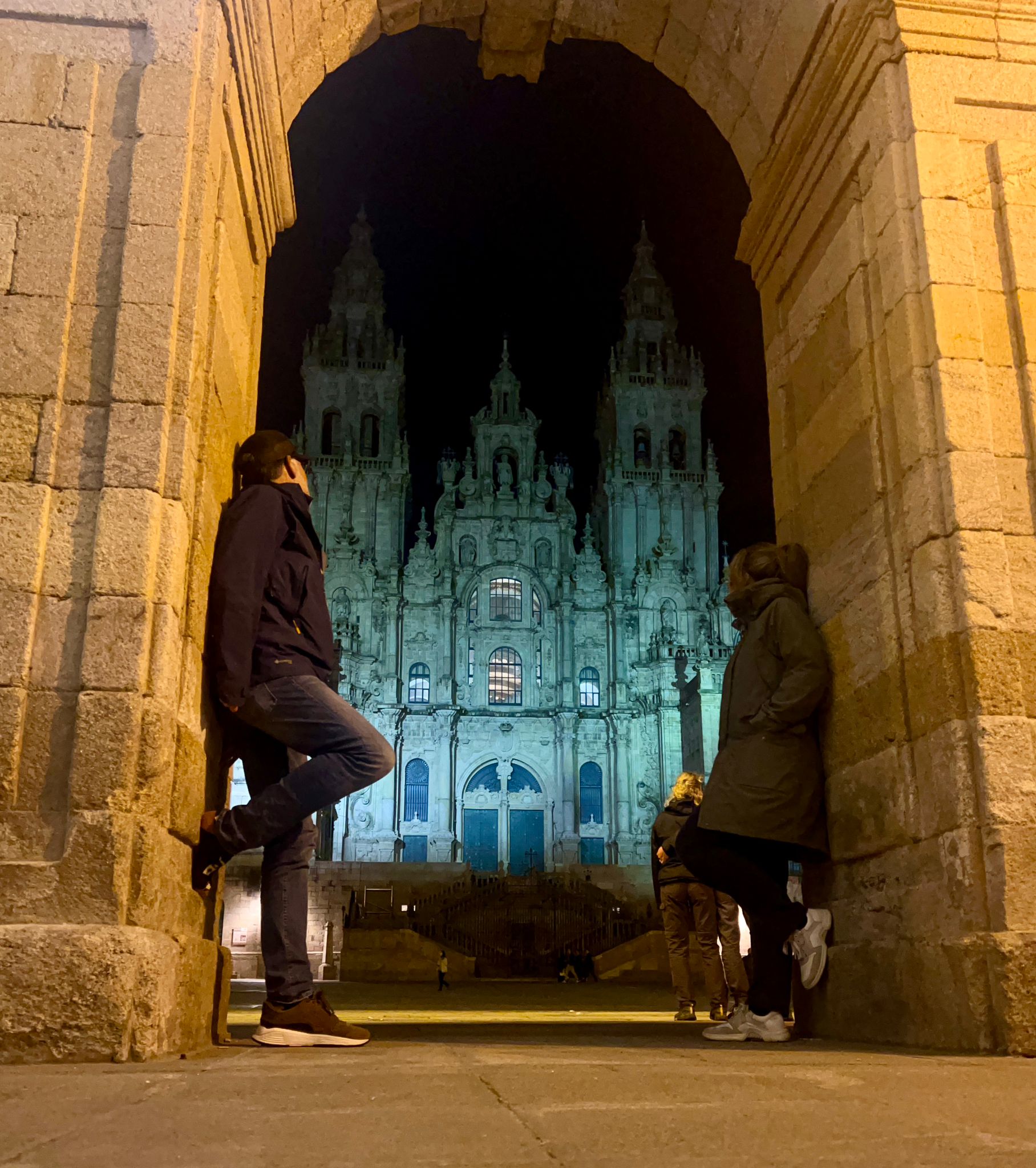
Today is your time to say goodbye. Enjoy a final stroll through Santiago’s historic streets, soak in the atmosphere around the cathedral, and reflect on the journey you’ve just completed. And who knows – maybe you’ll be back sooner than you think? :)
The Camino de Invierno is moderately challenging. You will walk about 263 km over 13 walking stages. Daily distances range from 12 to 30 km, with several steady climbs, especially near Las Médulas, the Miño River valley, and the final approach toward Chantada.
Yes! Your main luggage will be transported from accommodation to accommodation, so you only need to carry a daypack while hiking.
You will stay in comfortable hotels, rural guesthouses, and small family-run casas, all with a private bathroom and breakfast included. Accommodations are chosen for quality and proximity to the Camino de Invierno.
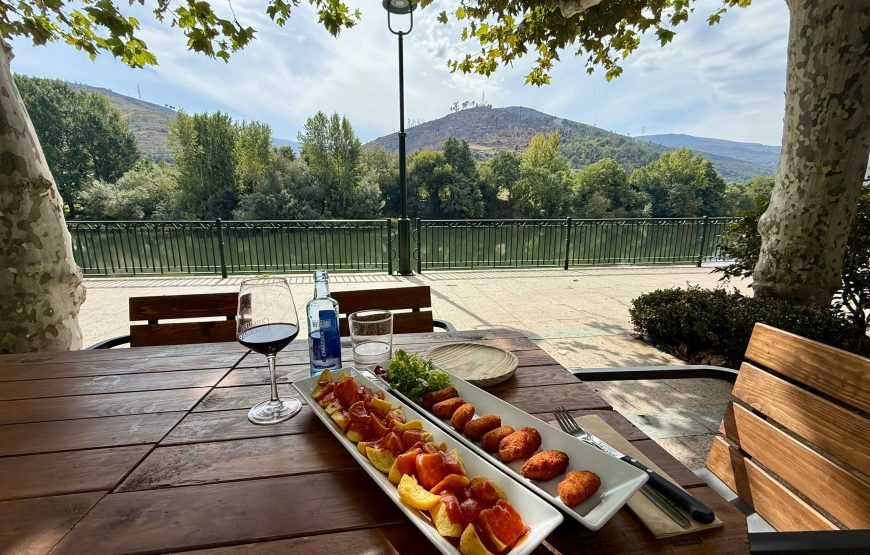
Breakfast is included daily. For lunch and dinner, you will find small cafés, bars, and local restaurants in most villages or at your accommodation.
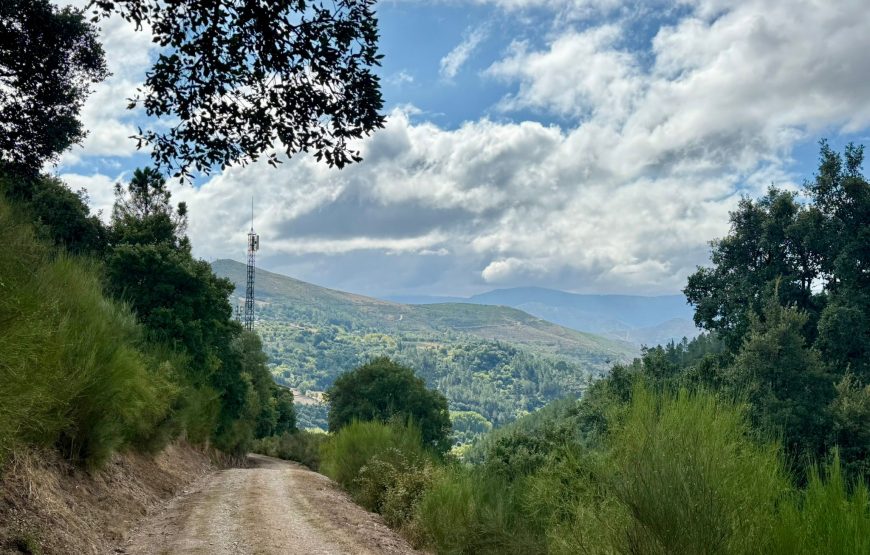
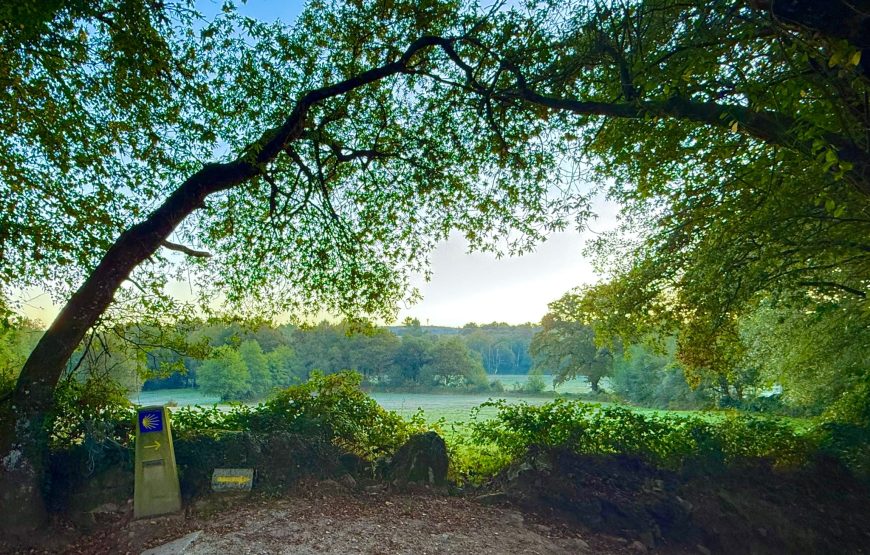
The Camino de Invierno is generally well-marked with yellow arrows and scallop shells, but signage can be less frequent in remote rural sections. A GPX track or map is recommended.
The best months to walk the Camino de Invierno are from April to October. Spring and autumn offer mild temperatures and beautiful scenery, while summer provides long, clear days.
Comfortable hiking shoes, a daypack, layered clothing, sun protection, water bottles, and a rain jacket. Because some stages are long, carrying enough water is important.
Your trip begins in Ponferrada, which you can reach by train or bus from major cities such as León, Madrid, or Santiago de Compostela. Once you finish in Santiago, the airport and bus station are easily accessible for onward travel.
Expect to walk between 12 and 30 km per day. The terrain varies from river valleys and farmland to woodland paths and gentle climbs. The longest stage is Monforte de Lemos to Chantada at 30.4 km, and if you prefer a more relaxed pace, this day can be divided into two shorter stages.
A good basic fitness level is recommended. If you are used to walking long distances or prepare a bit in advance, you will enjoy this Camino comfortably.
You can contact us 24/7 and we will assist you with advice and support in case of accidents, unforeseen events, or emergencies.

Member Since 2024