

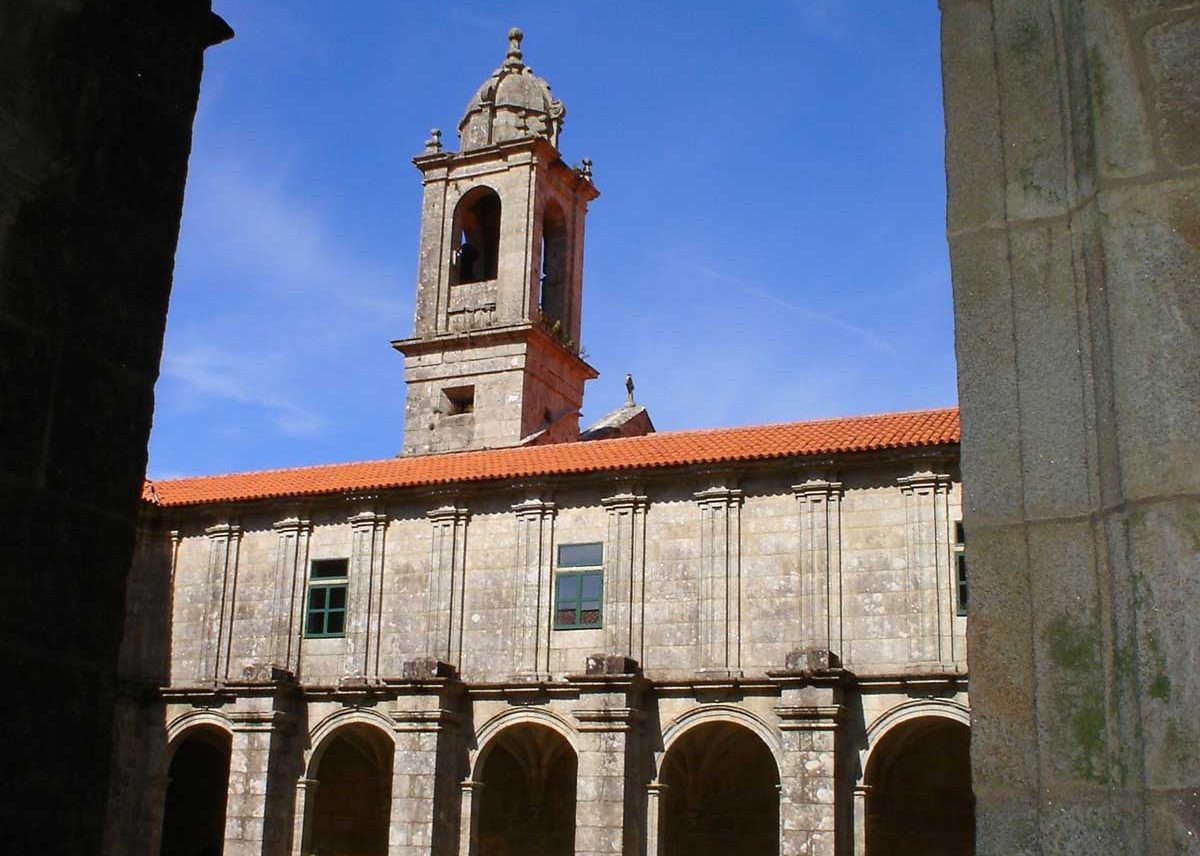
Staying in monasteries on the Camino de Santiago is one of those experiences that is easy to overlook when you are busy planning routes, packing lists, and accommodation bookings. Yet for many pilgrims, a night spent inside a working monastery turns out to be the moment that stays with them longest. Long before guesthouses and hotels lined the Camino routes, monasteries were the backbone of the pilgrim hospitality network across northern Spain and Portugal. Stepping into that tradition, even for a single night, adds a dimension to the walk that is difficult to find anywhere else. Our guide covers everything you need to know about monasteries on the Camino de Santiago where pilgrims can stay overnight: what to expect, how the accommodation works, and which five monasteries we recommend most. Understanding the two main types of monastery accommodation will help you plan your nights more effectively. An hospedería is the more retreat-style option. Rooms tend to be simple but private, meals are often included or available on request, and the rhythm of the day is shaped by the religious community living there. Depending on the monastery, guests may be invited to attend prayers or evening services, though this is almost never obligatory. Some hospederías ask for a minimum stay of more than one night, particularly in quieter seasons, when the monks or nuns prefer welcoming guests who are genuinely seeking a period of rest and reflection. An albergue within a monastery functions more like a standard pilgrim hostel. Shared dormitory rooms, a single overnight stay, sometimes no advance booking required. The spiritual atmosphere is still present, but the experience is lighter and more practical, closer to a traditional pilgrim stop. The character of each monastery is also shaped by the religious order that runs it. A Benedictine house feels different from a Cistercian one. Some communities are open and conversational with guests, others observe long periods of silence that fill the whole building with an unusual quality of stillness. Whatever the format, spending a night in monasteries on the Camino de Santiago tends to slow things down in a way that is genuinely restorative!
There are more monasteries on the Camino de Santiago than most walkers realise, and not all of them are easy to reach or book. In this guide, we have selected five monasteries that are among the most accessible, most atmospheric, and most worth building your route around! The Monasterio de Zenarruza has stood in the green hills of the Basque Country since the 10th century, though the current Gothic church and cloister date largely from the 15th and 16th centuries. It is one of the oldest continuously inhabited monasteries in the Basque region, and the Benedictine community that lives here today maintains the same rhythm of prayer, work, and hospitality that has defined the place for centuries. Guests are welcome to join the monks for evening prayers, and many walkers find that attending even once changes how they think about the rest of their Camino. The monastery sits just off the stage between Markina and Gernika on the Camino del Norte San Sebastián–Bilbao section, tucked into a wooded valley that feels genuinely remote despite being a short detour from the main trail. The hospedería offers simple private rooms and a warmth of welcome that is hard to describe without sounding like a travel cliché. The surrounding landscape is extraordinary at almost any time of year. Few of the monasteries on the Camino de Santiago can match Sobrado dos Monxes for sheer scale. This working Cistercian monastery was founded in the 10th century, fell into ruin during the medieval period, and was rebuilt by Cistercian monks in the 12th century before being abandoned again following the Spanish suppression of religious orders in 1835. It was only in 1954 that a new community of monks returned and began the slow work of restoration. Today the complex is a living monastery again, and the contrast between its crumbling baroque facades and the quiet daily rhythm inside is part of what makes it so striking. The monastery sits at the end of the stage from Baamonde, making it a natural overnight stop on the Camino del Norte between Vilalba and Santiago. Pilgrims can stay in the albergue, which occupies part of the ancient complex. The monks still hold services throughout the day, and the sound of Gregorian chant drifting through those enormous stone halls in the evening is something most walkers remember long after they reach Santiago. The Monasterio de Oseira is sometimes called the Escorial of Galicia, and when you first catch sight of its three baroque towers rising out of the forested valley, the comparison feels entirely justified. The monastery was founded by Cistercian monks in 1137, and like so many religious houses in Spain it was abandoned in the 19th century before being resettled and restored in the 20th. Today it is one of the most complete and best-preserved Cistercian complexes in the country. It sits on the Camino Sanabrés, on the stage between Cea and Botos, and the Xunta de Galicia runs a basic albergue here: shared rooms, no advance booking required, and pilgrims are advised to bring a sleeping bag. The overnight experience is simple and no-frills, which somehow suits the austere Cistercian spirit of the place. WAW.travel works with a comfortable bed and breakfast directly opposite the monastery, which is a good alternative if you prefer a private room and a proper breakfast before heading on! The Monasterio de Poio has been home to a religious community almost continuously since the 7th century, making it one of the oldest active monasteries in Galicia. The current complex dates largely from the 17th and 18th centuries and is run by the Mercedarian order, whose founding mission in the 13th century was to ransom Christian captives from North Africa. That history of care and hospitality runs deep here, and guests tend to feel it. The monastery sits roughly halfway along the stage from Pontevedra to Armenteira on the Camino Espiritual variant of the Camino Portugés, a lesser-known route that winds through the Galician estuaries and vineyards south of Santiago. Among the monasteries on the Camino de Santiago, Poio is one of the more comfortable options: the hospedería offers private rooms and optional meals, the setting overlooking the Ría de Pontevedra is genuinely beautiful, and the Albariño vineyards surrounding the complex make for a very pleasant arrival. At the end of the same stage, the Monasterio de Armenteira offers two options under one roof. The monastery marks the end of the stage from Pontevedra on the Camino Espiritual, and it offers two distinct accommodation options. The albergue is a straightforward pilgrim hostel with shared rooms and no breakfast included. The hospedería, run separately by the Cistercian community, includes meals and a considerably more contemplative atmosphere. If you are walking the Camino Espiritual and want to lean fully into the spiritual roots of the route, spending a night here, or even two, is genuinely worth building into your plan. It was founded in the 12th century by a nobleman who, according to legend, became so absorbed in listening to a small bird sing that three centuries passed before he noticed. It is the kind of story that could only attach itself to a place like this: remote, green, and very quiet. The Cistercian community that lives here today keeps largely to itself, but the monastery’s hospedería opens its doors to pilgrims seeking something slower than the standard albergue experience! The Camino de Santiago has always been, at its heart, a pilgrimage. Long before it became a popular walking holiday, people walked these routes to seek something: clarity, healing, meaning, and connection. Monasteries were the original rest stops along the way, and seeking out monasteries on the Camino de Santiago can reconnect you to that older, quieter current that runs beneath the modern trail. Even for walkers who do not consider themselves religious, there is something powerful about spending a night in a space built around intention and routine. The thick stone walls, the bells marking the hours, the absence of the noise that usually fills our days: all of it slows things down in a way that a hotel most likely just simply cannot replicate. If you are still working out which Camino route is right for you or wondering how far you will walk each day, it is worth thinking not just about distance and terrain, but about the kind of experience you want to come home with. Not every monastery accepts advance bookings, and some require a minimum stay or specific arrangements depending on the season, so getting the details right matters. At WAW.travel, we can help you plan a Camino journey that includes monastery nights where they genuinely add something to your route. Whether you are drawn to the Camino del Norte, the Camino Sanabrés, or the quieter paths of the Camino Espiritual, we know which of the monasteries on the Camino de Santiago work best for which type of walker, and we handle all the practical details so you do not have to. Browse our organised Camino routes or get in touch at [email protected] to start planning your Camino! Sources:
What is it like to stay in a monastery on the Camino?
5 monasteries on the Camino de Santiago where pilgrims can stay
1. Monasterio de Zenarruza: Camino del Norte

2. Monasterio de Sobrado dos Monxes: Camino del Norte

3. Monasterio de Oseira: Camino Sanabrés
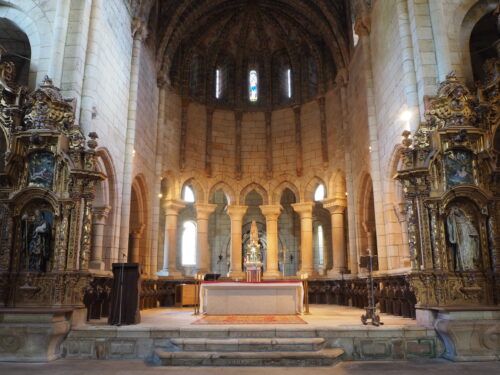
4. Monasterio de Poio: Camino Espiritual (Camino Portugués)
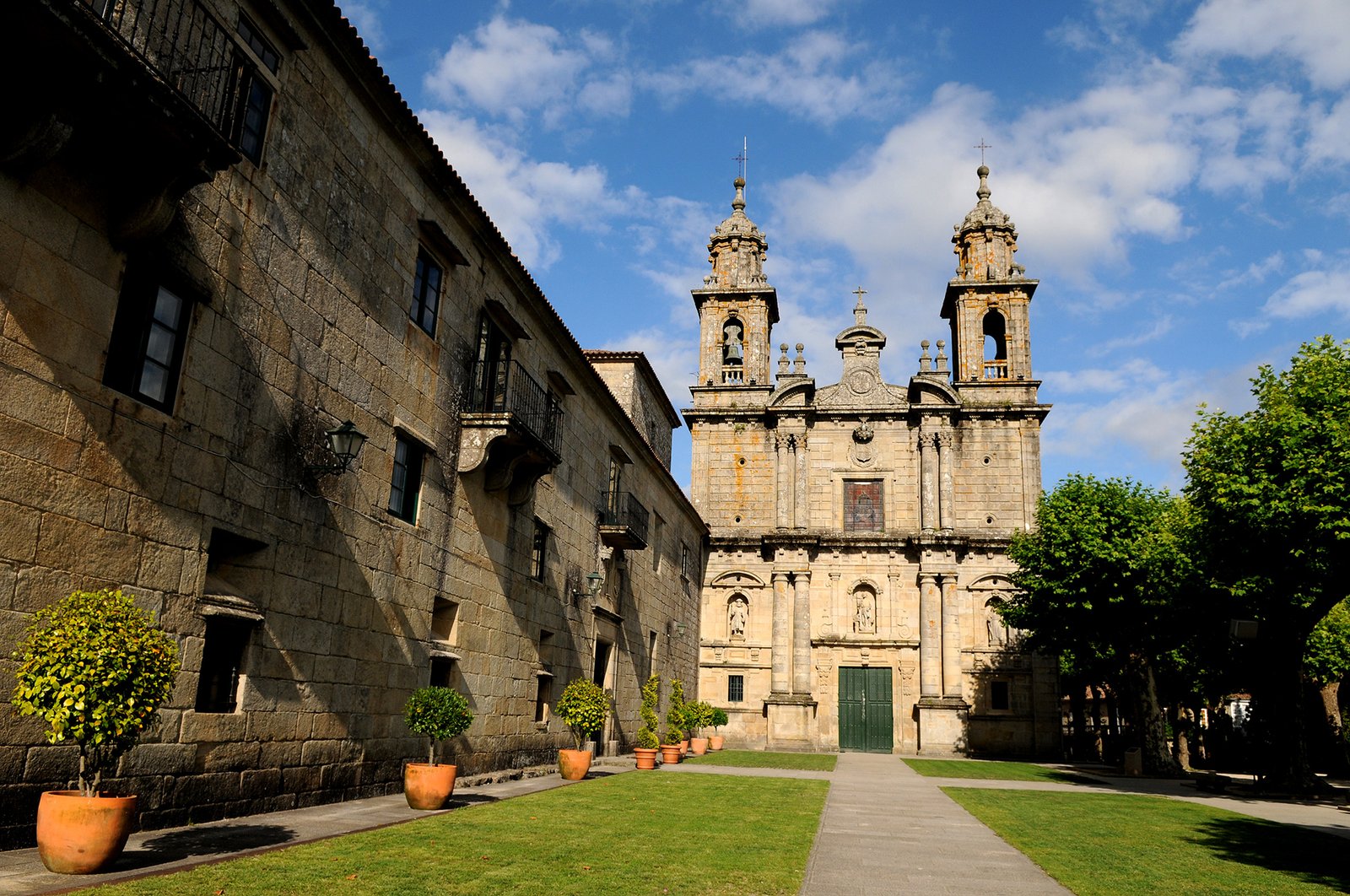
5. Monasterio de Armenteira: Camino Espiritual (Camino Portugués)
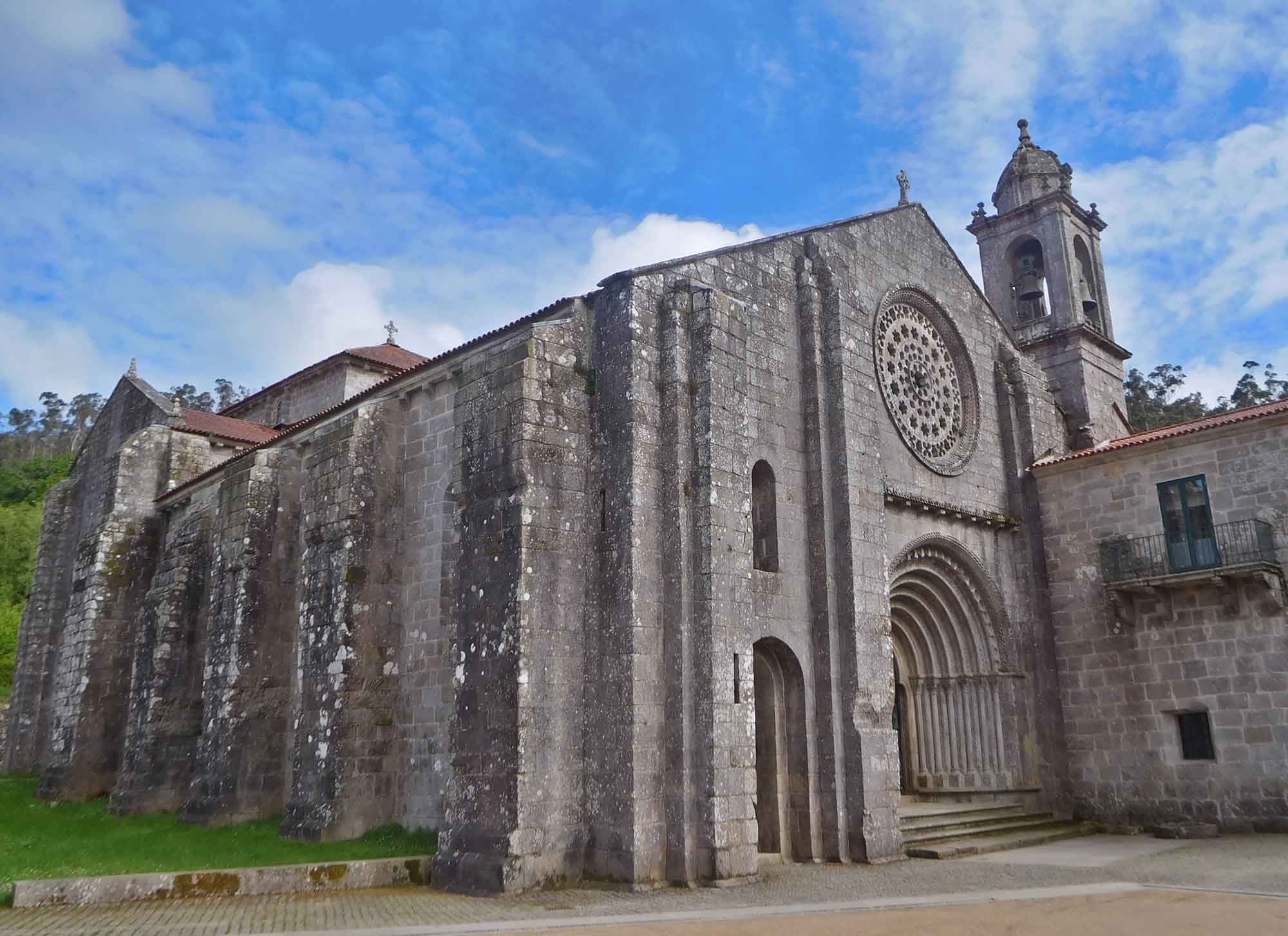
A different way to experience the Camino
Plan a Camino route that includes monastery stays
Monasteries on the Camino de Santiago where you can stay overnight
Mar 16, 2026
0 comment

Comment (0)