

On the beach, in the forest, in the park… more and more people have rediscovered walking over the past year and are asking the same simple question: is walking healthy? Some enjoy longer hikes, others simply walk around their neighbourhood – whatever suits you best. Walking together also makes it a pleasant social activity.
But is walking healthy? Absolutely, and the benefits go far beyond simply getting some fresh air. Walking on a daily basis helps lower blood pressure and cholesterol levels. It also improves the condition of your heart and blood vessels. People who walk regularly increase their lungs’ capacity to absorb oxygen. On top of that, daily walking reduces the risk of type 2 diabetes by as much as 58 percent.
Is walking healthy?
Walking is more popular than ever, partly because people are increasingly aware of how healthy walking can be. You can do it anywhere and start right away. Almost everyone has a favourite walking route nearby, joins a workplace step challenge, or goes for a walk to clear their head after a stressful day. But is walking healthy? Here are five reasons why.
Walking boosts your mood: is walking healthy for your mind?
When everything feels like it’s going wrong, stepping outside for a walk can make a real difference. Research shows that people who walk in nature for 90 minutes or longer tend to have fewer negative thoughts about themselves.
One reason is the increased production of serotonin, often referred to as the happiness hormone. Is walking healthy indoors as well? Well, not in the same way. A treadmill doesn’t have the same effect, so make sure to head outside and enjoy some fresh air.
Stress melts away: another reason why walking is healthy
Walking is one of the most effective ways to reduce cortisol, the stress hormone, in your body. It is an ideal activity to slow down, increase oxygen levels in the blood, and improve brain function. Do we need to say more?
When Beethoven struggled with writer’s block, he would go for long walks around Vienna. It helped him clear his mind and make space for new ideas. The same goes for all of us: step outside, keep moving, and let the ideas flow again.
Walking strengthens your immune system
Walking for just 30 minutes a day reduces your risk of catching a cold or flu. Walking for 45 minutes a day can even halve the risk of common respiratory symptoms. Regular walking also has a positive effect on brain ageing, helps prevent cardiovascular disease, supports mobility for people with arthritis, and reduces the risk of type 2 diabetes by as much as 58 percent. So is walking healthy? The answer is very clear.
You meet other walkers
Is walking healthy only for your physical and mental wellbeing? No. Walking also helps prevent social isolation and loneliness. When you walk together with someone else, you naturally start to match each other’s pace. This shared rhythm increases openness, cooperation, and a willingness to help one another.
For women who feel unsure about walking alone, we have written an article on how to stay safe, confident, and well connected as a woman walking the Camino alone. While this article focuses on the Camino route, many of the insights apply just as well to walking anywhere.
Walking is good for your brain
Within six months, memory improves and the amount of white matter in the brain increases, according to a recent study among adults aged 60 and over. That is double good news: the brain responds quickly, and these benefits still occur later in life. So is walking healthy as you get older? Once again, the answer is yes.
Agnieszka Burzynska, professor of neuroscience at Colorado State University, collected brain scans and cognitive test results from a group of healthy but largely inactive adults aged between 60 and 79. Participants were asked to either walk for 40 minutes three times a week, dance, or do balance and strength exercises. While the physical fitness of all participants improved over six months, the effects on the brain differed.
The walking group showed the strongest results. Their white matter and memory improved the most. The dance group also experienced some positive effects, but the brains of those doing balance and strength exercises showed no significant change.
Is walking healthy when you walk for days or weeks?
What happens to your health when you walk for several days, weeks, or even months in a row? For example, during a pilgrimage? Is walking healthy then, or perhaps even healthier?
Anyone who has ever gone on a pilgrimage knows from experience that it can bring strength, encouragement, and inspiration for the future. Not only the destination itself, but also the journey on foot is experienced by pilgrims as deeply beneficial. Some even describe it as a natural antidepressant. This healing effect clearly contributes to the lasting popularity of pilgrimage walking.
Is walking healthy during a pilgrimage?
A Dutch theologian, Ineke Alberts earned her PhD at Tilburg University with research into the relationship between healing and pilgrimage. Drawing on medical science, she showed that it is especially the long journey on foot to a pilgrimage destination that has a healing effect on pilgrims.
Neuroscience, and in particular psychoneuroimmunology, which studies the interaction between the central nervous system, the hormonal system, and the immune system, has shown that walking and running have a positive effect on mood, cognitive function, and overall wellbeing.
The sense of healing, including physical and spiritual experiences, that many people associate with pilgrimage may therefore be partly explained by the long-distance walking itself.
Walking with WAW.travel
We have now clearly answered the question: Is walking healthy? Ready for more? And are you looking for a fully organised walking holiday? WAW.travel offers a varied selection of walking holidays throughout the year. From trips closer to home with stays in comfortable hotels to pilgrimages on the Camino de Santiago. Available both as self-guided journeys and as group trips.
With us, you book a walking holiday without worries, tailored perfectly to suit you. Along the way, you have the time and space to truly enjoy the journey and discover some of the most unique places. These are our personal favourites:
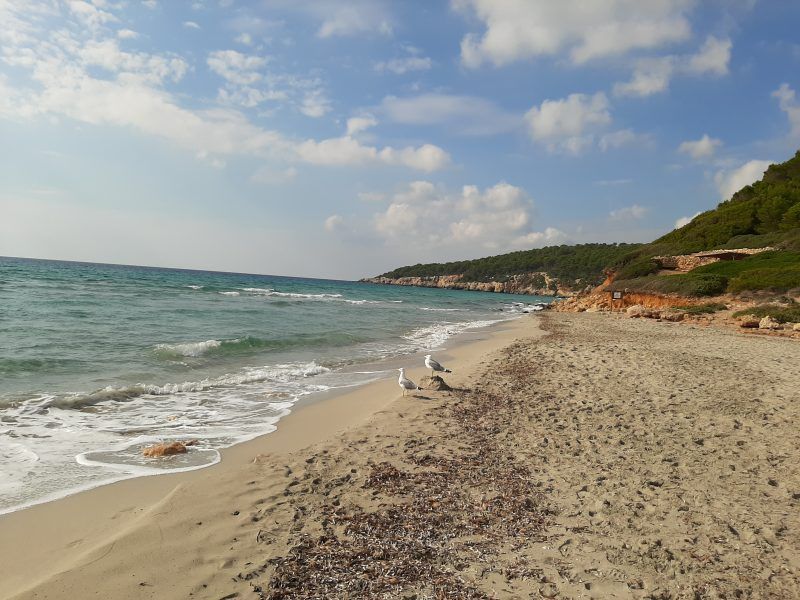
1. Camí de Cavalls: a historic path that circles the island of Menorca – an ancient trail of 185 km. In the past, it was used by knights to protect the island. Today, it is a beautiful walking route made up of 20 official stages, ideal for a walking holiday in Menorca. The route is perfectly signposted and follows the entire coastline of the island. Along the way, you discover authentic fishing villages, stunning secluded beaches, and above all, a deep sense of peace and quiet. Ideal for a walking holiday in Menorca.
2. Camino de Santiago: the pilgrimage to Santiago is the most famous pilgrimage route in the world. Many pilgrims dream of it for years, and rightly so, because walking or cycling the Camino to Santiago is a once-in-a-lifetime experience. For some, embracing the statue of the Apostle Saint James in Santiago de Compostela symbolises liberation and the beginning of a new chapter. For others, the pilgrimage is a physical challenge. Whatever the motivation, the Camino holds deep meaning for everyone who walks it. But only those who have taken on the journey truly understand it.
3. GR221 in Mallorca: in five stages, you walk from Deià to Pollença along the GR221, also known as La Ruta de Pedra en Sec. The total distance is around 70 km, with daily stages of approximately 15 to 20 km and considerable elevation changes. This beautiful walking route crosses the Tramuntana mountain range, which was designated a UNESCO World Heritage cultural landscape in 2011. Expect picturesque villages, sandy coves, deep blue waters, dramatic cliffs, and endless views across long green valleys. Along the way, you enjoy outstanding nature and authentic Spanish culture. Departures are recommended during the cooler months.


Comment (0)