

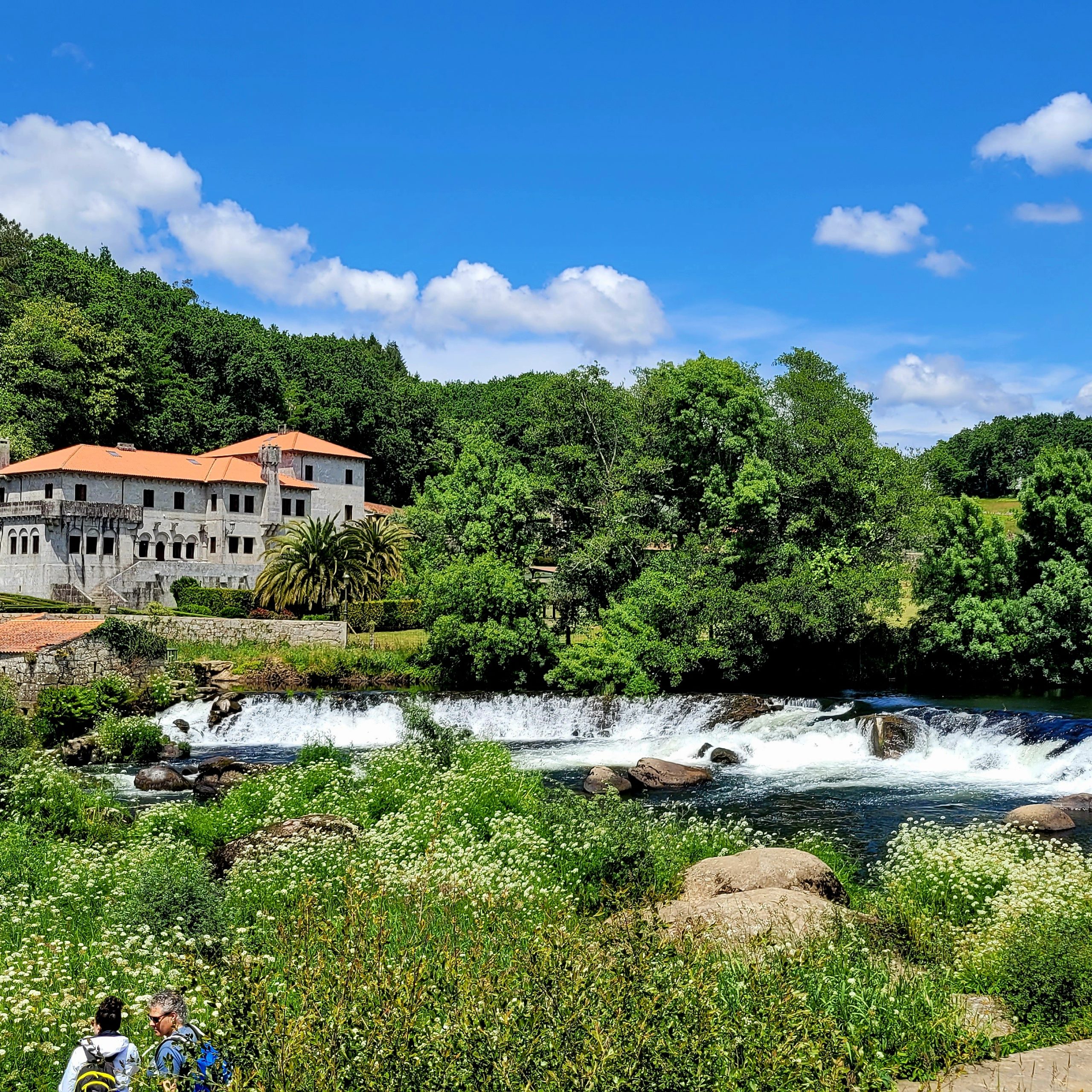
Walking the Camino de Santiago means spending long days outdoors, and sooner or later, the weather will make itself known. Some days you’ll walk under clear blue skies; other days you’ll set off in mist or find yourself reaching for your rain jacket.
But who doesn’t enjoy walking with a radiant sun in the sky? Unfortunately, the weather on the Camino de Santiago isn’t perfect every day. The question is: do you let that throw you off, or are you the kind of walker who keeps going through wind and rain? In this blog, we give you more insight into the weather on the Camino de Santiago and share practical tips on how to prepare and dress for different conditions.
In this blog, we take a closer look at the weather on the Camino de Santiago in 2026. Let’s explore how you can make the most of your journey, regardless of the forecast!
Weather on the Camino de Santiago
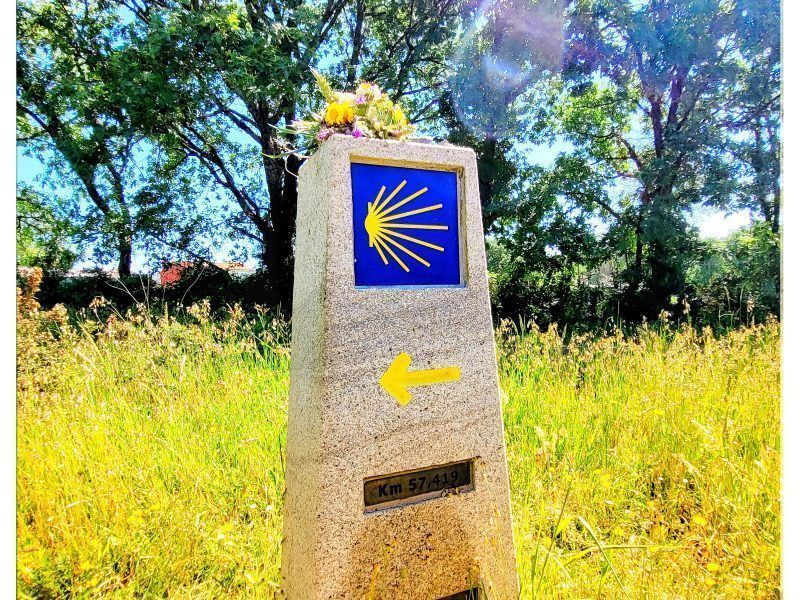
The weather on the Camino de Santiago varies depending on which pilgrimage route you choose and the time of year you plan to walk. The most popular route is the Camino Francés, which starts in northeast Spain and ends in the northwest.
In northern Spain, winters are generally mild but wetter, while summer temperatures usually stay below 25°C, especially compared to southern Spain. The north enjoys an average of around 1,600 to 2,200 hours of sunshine per year. For comparison, England averages between 1,400 and 1,700 hours. This means that even in winter, you can experience crisp or cold days with clear blue skies and plenty of sunshine.
To help you plan your pilgrimage more easily, we’ve created an overview of the most important routes and the weather on the Camino de Santiago in 2026, broken down by season. This allows you to get a clear picture of the weather on the Camino de Santiago throughout the year.
We’ve also written an article about the best time to walk each Camino route. Which month is best to go? And which routes are recommended – or less suitable – depending on the season?
Seasons on the Camino de Santiago
The weather on the Camino de Santiago is mainly shaped by the climate of the Iberian Peninsula. However, it also varies depending on the route you choose and the season in which you walk or cycle.
Most Camino routes run through northern Spain, where the climate is oceanic and is characterised by mild winters, warm but generally not extreme summers, and regular rainfall throughout the year.
In continental Euroope, where Spain lies these are the main seasons:
Spring: March, April, May
Summer: June, July, August
Autumn: September, October, November
Winter: December, January, February
Weather on the Camino de Santiago in 2026 – Spring
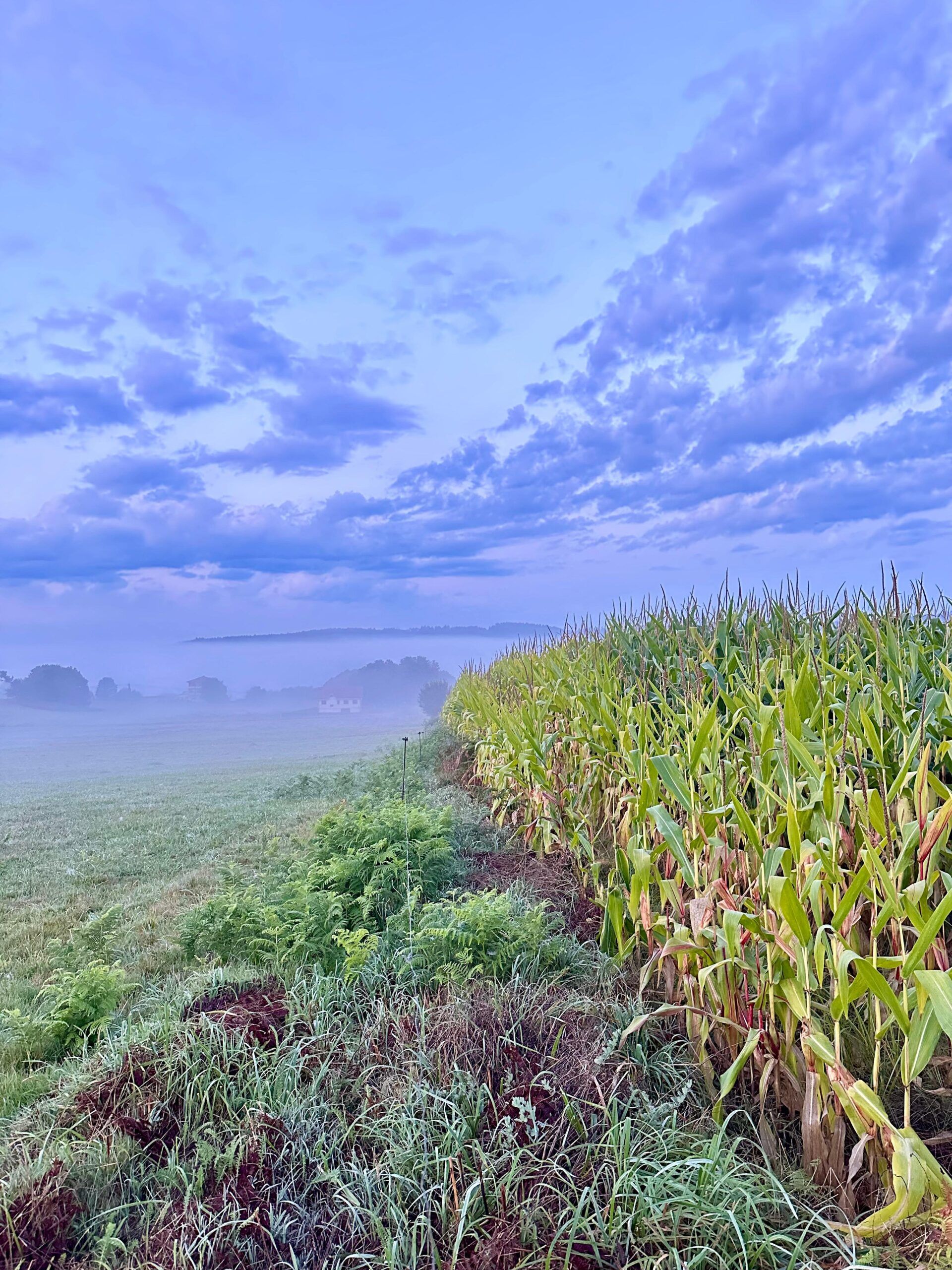
Spring is one of the most popular seasons for walking or cycling the Camino, and for good reason. The weather on the Camino de Santiago gradually becomes milder, nature comes back to life, and daylight hours increase. Average temperatures range from around 13°C in March to 18°C in May, making it a comfortable season for long days on the trail.
That said, the first warmer days of spring can feel surprisingly demanding!
After winter, your body is not yet fully adapted to walking in higher temperatures, which can make early spring outings feel heavier than expected. Fortunately, the body adjusts quickly. After a few days, walking in warmer conditions starts to feel easier as your body adapts. Especially on the first warm spring days, it’s wise to take things a little slower, start gently, and give yourself time to ease into the season.
Weather on the Camino de Santiago in 2026 – Summer
From June to August, Spain enters its warmest period. However, the weather on the Camino de Santiago in northern Spain is generally cooler than in the south or inland regions. Coastal routes, such as the Camino Portugués along the coast or the Camino del Norte, benefit from refreshing sea breezes, which help keep temperatures more manageable.
Even so, summer walking requires conscious pacing. Starting early in the morning, carrying enough water, and planning longer breaks during the hottest hours of the day are increasingly important strategies in summer 2026. Most summer days are sunny, but rainfall is still possible, particularly in Galicia. Average daytime temperatures are often around 22–25°C, although hotter days are becoming more common during heatwaves.
Therefore, hydration becomes essential: aim to drink 100–250 ml every 15 minutes while walking, and continue hydrating before and after your stage. Sun protection is equally important: apply sunscreen generously on sunny days and reapply every two hours.
Weather on the Camino de Santiago in 2026 – Autumn
Autumn is another favourite season for many pilgrims. The weather on the Camino de Santiago in autumn is often stable and pleasant, particularly in September and early October.
Early autumn often offers the best balance of mild temperatures, fewer crowds, and manageable weather, making it one of the most rewarding times to walk the Camino. Temperatures typically cool from around 23°C in September to 18°C in October, dropping further to about 13°C in November, creating ideal walking conditions for many people.
As autumn progresses, rain becomes more frequent, especially in northwestern regions like Galicia. While walking in the rain can feel discouraging at first, it doesn’t have to be a reason to stay home. With proper rain gear and breathable walking clothes, rainy days can still be surprisingly enjoyable.
Weather on the Camino de Santiago in 2026 – Winter
Winter pilgrimages are less common and can be more demanding. The weather on the Camino de Santiago in winter is characterised by colder temperatures, frequent rain, and the possibility of snow and ice, especially in mountainous areas such as the Pyrenees or higher inland sections.
Average temperatures in northern Spain often range between 8–13°C, but strong winds can make it feel much colder. During winter stages, it’s important to take extra time to warm up at the start of the day and cool down properly afterward to reduce the risk of injury.
Thicker layers and windproof clothing make a big difference, especially on exposed paths. Slippery sections are also more common in winter, so sturdy walking shoes with a slightly coarser sole can provide extra grip and confidence. While winter requires careful planning, it can also offer a quiet, reflective Camino experience for those well prepared.
Camino routes and temperatures in the different seasons
In this section, we’ll walk you through the most popular Camino routes, as well as the endpoint, Santiago de Compostela, and highlight which seasons are generally best for each one, based on typical temperatures and weather conditions.
Camino Francés weather 2026
The Camino Francés starts in Saint-Jean-Pied-de-Port and runs for nearly 800 km to Santiago de Compostela. Well-known stops include Pamplona, Burgos, León, and Sarria. As the route crosses only northern Spain, the weather on the Camino de Santiago along the Francés is clearly seasonal.
In 2026, spring and autumn remain the most comfortable periods, while summers on the Meseta can be increasingly hot, especially during heatwaves. Winters are generally mild in lower areas, but snow and ice can still affect the Pyrenees and higher sections early in the year.
Camino de Finisterre weather 2026
The Camino de Finisterre starts in Santiago de Compostela and heads west toward the Atlantic coast, often combined with a continuation to Muxía. Coastal weather dominates this route, bringing wind, shifting skies, and regular rain.
In 2026, late spring and autumn still provide the most pleasant conditions, while summer can be busier and occasionally windy. Even short stages can feel demanding when weather changes quickly.
Camino Inglés weather 2026
The Camino Inglés begins in Ferrol or A Coruña and is one of the shorter routes to Santiago. Located entirely in Galicia, it experiences a humid, oceanic climate. Rain is common throughout the year, but temperatures remain relatively mild.
In 2026, spring and early autumn continue to offer the most stable weather, with fewer crowds and comfortable walking conditions.
Camino de Invierno weather 2026
The Camino de Invierno was historically used to avoid the snowy mountain passes of O Cebreiro in winter. It runs through inland Galicia and León, where continental influences are stronger. Summers can be hot, while winters remain cooler but often more manageable than high mountain routes.
In 2026, spring and autumn continue to be the most balanced seasons for walking this Camino.
Camino del Norte weather 2026
Running along Spain’s northern coast from San Sebastián through Bilbao and Santander, the Camino del Norte is strongly shaped by Atlantic weather. Rainfall is common year-round, and conditions can change quickly.
Even in 2026, summers here remain milder than inland routes, but storms and strong winds are still possible. Good rain gear is essential in every season, and late spring or early autumn usually offers the best balance of temperatures and trail conditions.
Camino Portugués weather 2026
The Camino Portugués officially begins in Lisbon, though many pilgrims choose to start in Porto. Southern sections are typically warmer and drier, while temperatures cool slightly as you move north toward Galicia.
In 2026, the weather on the Camino de Santiago along the Portuguese routes is still very suitable in late spring and early autumn. Coastal variants benefit from sea breezes, which help during warmer months, though humidity can feel higher in summer.
Camino Primitivo weather 2026
Starting in Oviedo, the Camino Primitivo crosses mountainous terrain and is known for its physical demands. The weather on the Camino de Santiago along this route is less predictable, with cooler temperatures, frequent mist, and regular rainfall.
In 2026, snow risk at higher elevations still makes winter walking challenging. Late spring through early autumn remains the safest and most enjoyable window for this route.
Camino Sanabrés weather 2026
The Camino Sanabrés branches off the Via de la Plata and crosses Zamora before entering Galicia. Early stages experience more continental weather, while the final sections become cooler and wetter.
In 2026, autumn is particularly attractive for this route, offering mild temperatures and fewer pilgrims. Summer walking is possible but can feel warm in the early stages, while winter requires preparation for rain and cold nights.
Santiago de Compostela weather 2026
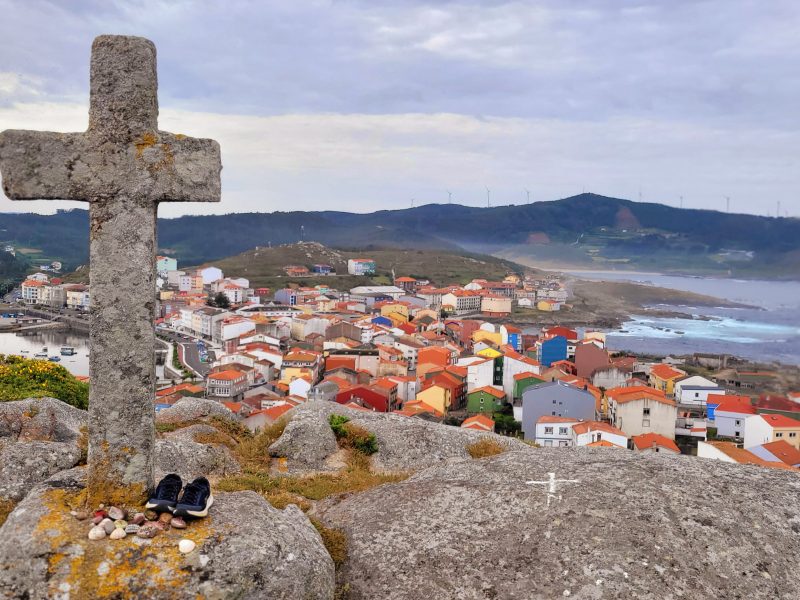
Santiago de Compostela is the final destination of every Camino route, though many pilgrims continue on to Finisterre or Muxía. Located less than 100 km from the Atlantic coast, the city experiences a humid, oceanic climate.
The weather on the Camino de Santiago in Santiago itself is relatively mild year-round, but rainfall is frequent, even in summer.
In 2026, pilgrims should still expect changing conditions, with sunshine and rain often alternating within the same day – a fitting final reminder of Galicia’s unpredictable weather.
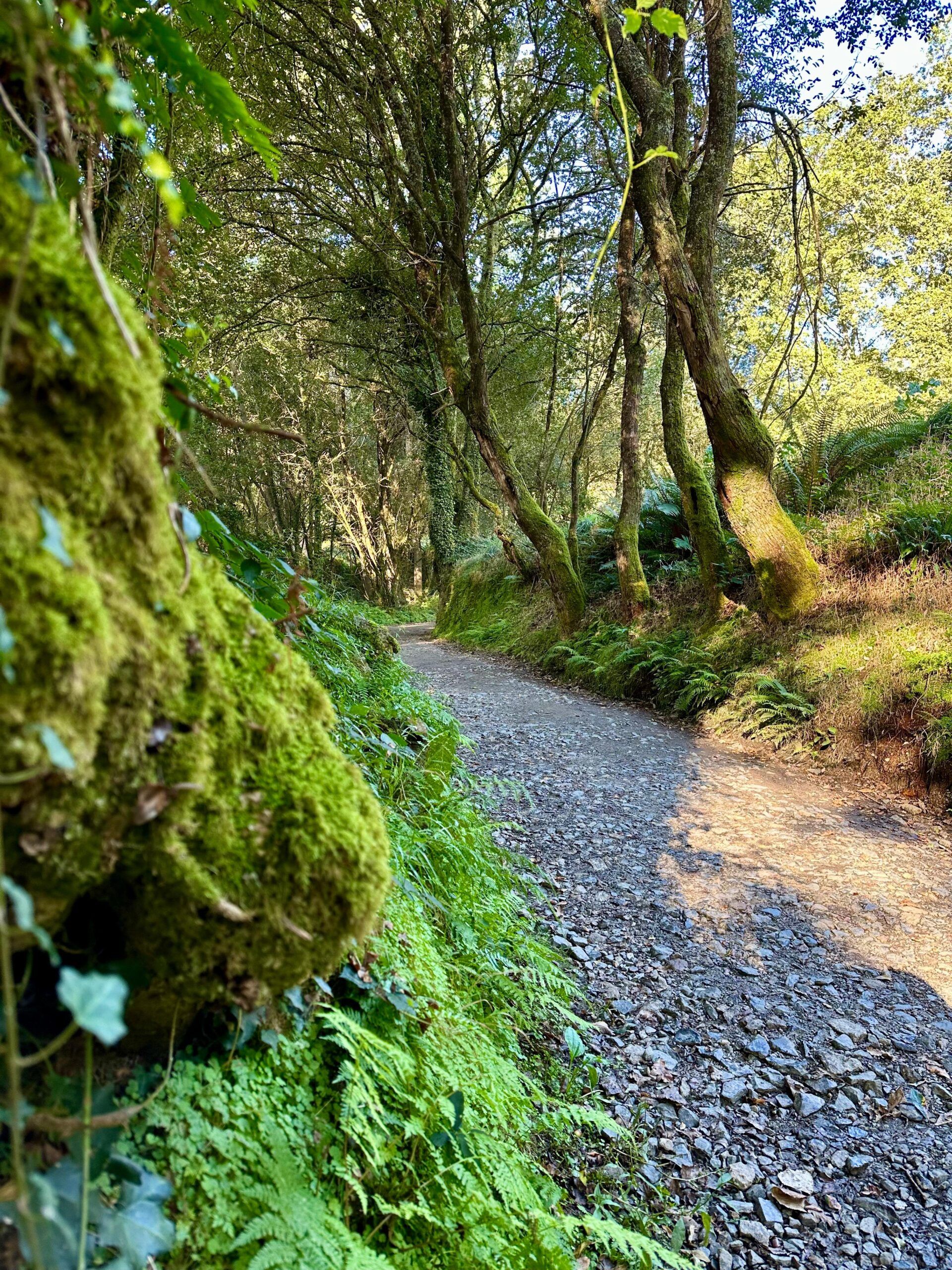
Stay informed about the weather on the Camino de Santiago in 2026
The weather on the Camino de Santiago can be highly changeable, and in recent years this has become even more noticeable due to climate change. Temperatures and rainfall patterns can vary from season to season and from year to year, which makes preparation more important than ever. We strongly recommend keeping a close eye on the weather forecast both before you leave and during your Camino. Reliable platforms such as AccuWeather can help you stay informed about changing conditions along the route.
Ultimately, the Camino is about adaptability. Some days bring sunshine, others rain or wind, but each condition becomes part of the experience. When you know what to expect from the weather on the Camino de Santiago, you can focus less on the forecast and more on the walk itself: the people you meet and the personal journey you’re on.
If you feel inspired to walk the Camino de Santiago and would like help planning your trip, feel free to get in touch with us at [email protected]. We’re happy to answer your questions, share our experience, and help make sure your Camino is well prepared. Buen Camino!
Does it rain every day on the Camino de Santiago?
No, it doesn’t rain every day, but rainfall is common, especially in Galicia and on northern routes. Pilgrims should expect occasional rain in any season and be prepared for changing conditions.
What is the rainiest month on the Camino de Santiago?
October and November are generally the rainiest months, particularly in northwestern Spain. However, rainfall can also occur in spring and even during summer storms.
Can weather conditions force Camino stages to close?
In rare cases, extreme weather such as heavy snowfall, storms, or flooding can make certain stages unsafe, especially in mountainous areas. When this happens, alternative routes or rest days are usually recommended.

Comment (0)