

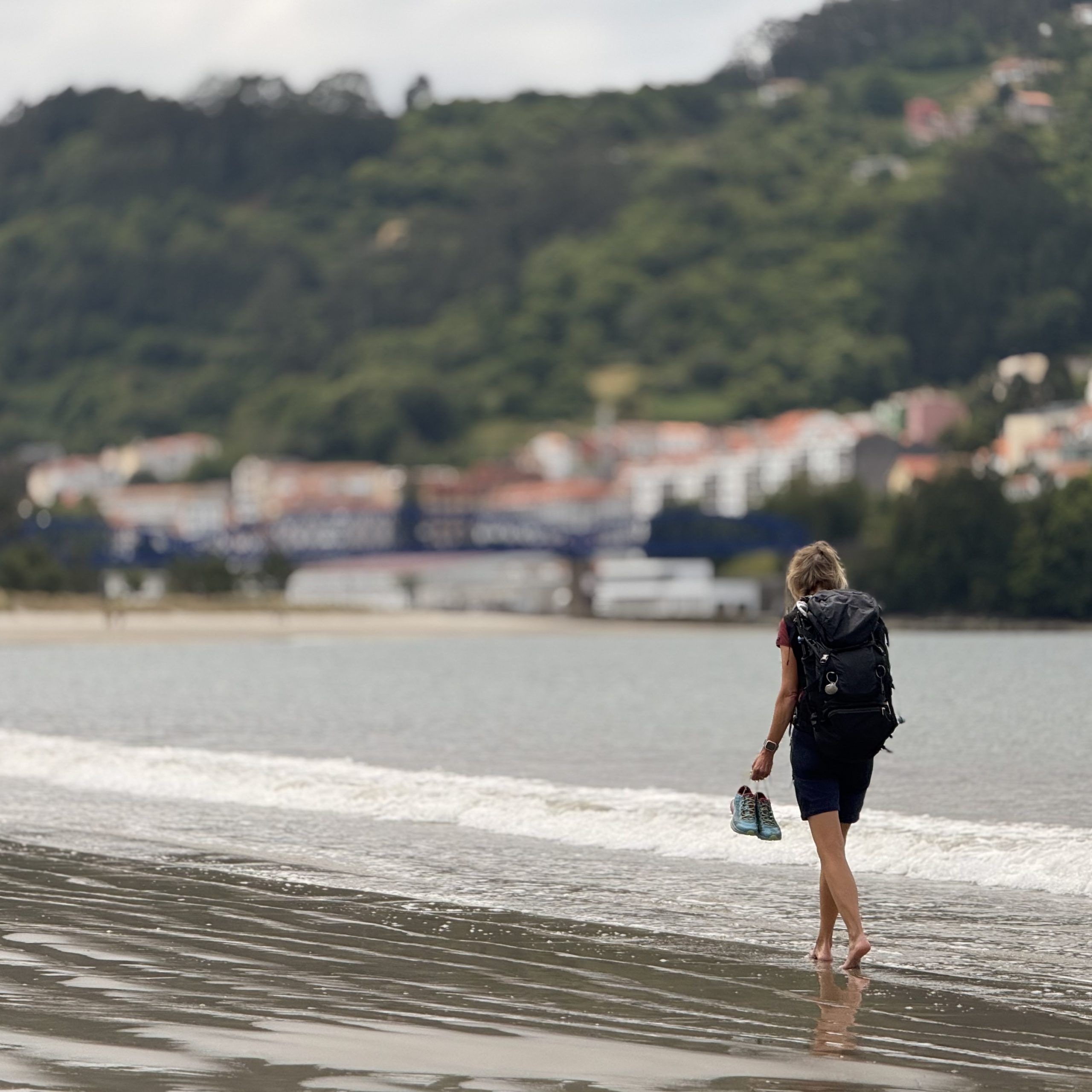
The Camino Ingles route, a lesser-known yet historically significant path, stands as a testament to the centuries-old tradition of pilgrimage to Santiago de Compostela. Originating from the British Isles, this route was a vital link for English-speaking pilgrims journeying to the revered site. Not just limited to the spiritual seekers from England, the route also attracted travelers from Ireland, Scotland, and other parts of Northern Europe. The uniqueness of the Camino Ingles lies in its blend of maritime and overland journey, as pilgrims historically embarked on ships to reach the northern Spanish ports of Ferrol or A Coruña. In this blog, we give you 5 reasons to walk this pilgrimage route.
What to expect on the Camino Ingles route
During the Camino Ingles route you walk straight through Galicia, along the rugged coastline and through historic towns, such as Pontedeume and Betanzos, before heading inland through the green landscape and forests. On the way to Santiago de Compostela and its famous cathedral. The Camino Ingles route is a fantastic pilgrimage route to Santiago. Do you want to get away from the crowds on the Camino Frances and get your Compostela? Then this beautiful walking tour through Galicia is a very good option.
It is also a lot quieter on this pilgrim route than on the ‘main road’ to Santiago, while the pilgrim experience is certainly no less. And for the first few days you’ll be rewarded with beautiful coastal scenery before heading further inland into the heart of the Galician countryside.
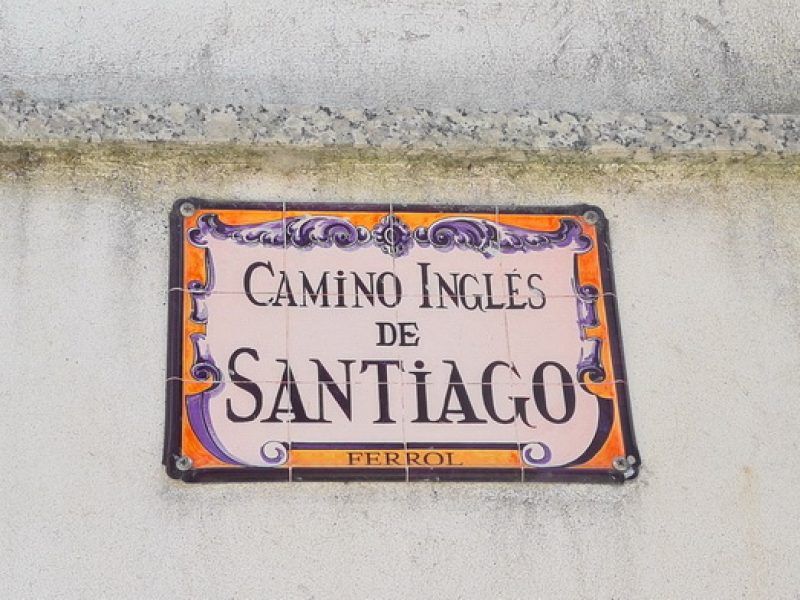
1. Ideal stage lengths for all pilgrims
From Ferrol the distance to be covered is a total of 120 km. You walk this 6 stages. The distances are designed in such a way that you can start slowly and get used to it. This makes this pilgrimage route extra accessible, as you can walk it in less than a week.
Stage 1: Ferrol-Neda (15 km)
Stage 2: Neda-Pontedeume (16 km)
Stage 3: Pontedeume-Betanzos (21 km)
Stage 4: Betanzos-Hospital de Bruma (24 km)
Stage 5: Hospital de Bruma – Sigüeiro 24 km
Stage 6L Sigüeiro – Santiago de Compostela (16 km)
Along the way you will pass some original bridges from the Middle Ages, such as that of Pontedeume, at the mouth of the River Eume, and that of Sigüeiro, over the River Tambre.
2. A peaceful and accessible pilgrimage
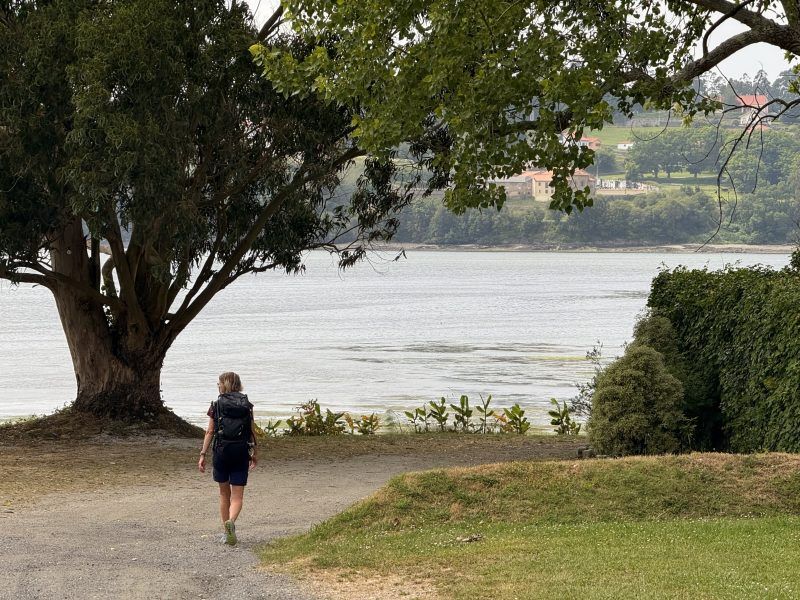
The Camino Ingles is a quiet route, there are far fewer pilgrims walking than, for example, the Camino Frances or Camino Portugues. Nevertheless, there are plenty of facilities along the way. So you can enjoy a relaxing walk. For the Camino Ingles you need an average walking condition and it is best to walk this route between April and October. You can also walk this pilgrimage in the summer months. The temperatures in this part of Spain are also relatively pleasant during those months.
3. Coastal views, forests, and Galician landscapes
Nature will surprise you the most while walking the Camino Ingles. This varies from beaches to beautiful villages in the hills and ancient forests. You will cross the landscape of Betanzos, Ferrol and the valleys of the Tambre River.
4. Historic architecture and cultural museums
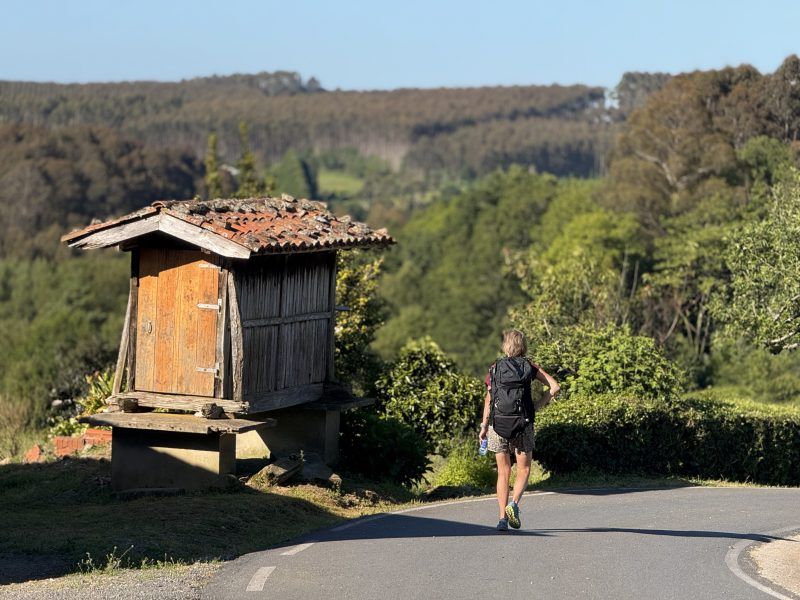
But there is more than just nature. You will also find the most impressive historic architecture in Northern Spain on this pilgrimage route. Think of modern architecture (Hedjuk, Grassi…), but also ancient villages where pilgrims such as Charles V or Cosimo de Medici slept. You can also visit the Museum of Naval Construction in Ferrol and of course the Museum of the Cathedral of Santiago. Also worth a visit are the Museum of Fine Arts and the Museum of Mariñas in Betanzos and the Costume Museum in Order during your Camino Ingles route.
5. Delicious Galician food and local specialties
Also important: the gastronomy on the Camino Ingles route. Because you deserve it after a day of walking! The famous Betanzos omelette or the Santiago cake are highly recommended. You should certainly not miss the Galician broth (Caldo) in Bruma or the tapa de marrajo (type of empanada) in Ferrol.
Why the Camino Ingles route is so special
This historic route, once traversed by pilgrims from the British Isles, offers a unique blend of tranquility, heritage, and natural splendor. Unlike the more frequented Camino Frances, the Camino Ingles carves its own distinct narrative through the picturesque landscapes of Northern Spain, weaving through ancient towns and along breathtaking coastlines. It’s a journey that not only challenges the body but also nourishes the soul and broadens the mind. The camaraderie among fellow pilgrims, the taste of traditional Galician cuisine, and the sights of architectural marvels are just a few facets of this enriching experience.
A pilgrimage of tranquility, culture and meaning
Today, the Camino Ingles offers a unique experience, differentiating itself from other more traveled routes. It serves as a beacon for those seeking a more tranquil path, rich in maritime history and cultural heritage. This route not only provides a spiritual journey but also immerses travelers in the natural beauty and culinary delights of Northern Spain. Whether you are in search of spiritual growth, a physical challenge, or simply a chance to witness the unparalleled beauty of this less-traveled path, the Camino Ingles route presents an opportunity to create unforgettable memories. We encourage you to consider this remarkable pilgrimage for your next adventure, where each step brings a new discovery and a deeper connection to the history of the Camino de Santiago. Buen Camino!
Which starting point should I choose: Ferrol or A Coruña?
Both are official starting points, but they offer two different experiences.
- Ferrol is the most common choice because it allows you to complete the required 100 km to earn the Compostela. It also provides a more complete narrative of the route, with six well-paced stages.
- A Coruña is shorter (around 75 km) and offers beautiful coastal scenery, but does not meet the 100 km minimum for the Compostela unless combined with additional walking elsewhere.
Pilgrims who prioritize history and certification typically choose Ferrol, while those seeking a scenic, quick getaway may prefer A Coruña.
How busy is the Camino Inglés compared to other Camino routes?
The Camino Inglés is significantly quieter than the Camino Francés or the Camino Portugués. You can expect peaceful trails, uncrowded albergues (except in high summer), and a more intimate experience with fellow pilgrims. This calm environment is one of the route’s biggest advantages: it preserves the contemplative, traditional spirit of the Camino without compromising on amenities.
Can I get the Compostela after walking the Camino Inglés?
Yes. Starting from Ferrol, the route provides more than the required 100 km needed to receive the Compostela in Santiago. Make sure to collect at least two stamps per day in your pilgrim passport, especially during your final stages. Starting from A Coruña, however, is not enough on its own unless you add additional walking elsewhere.

Comment (0)