

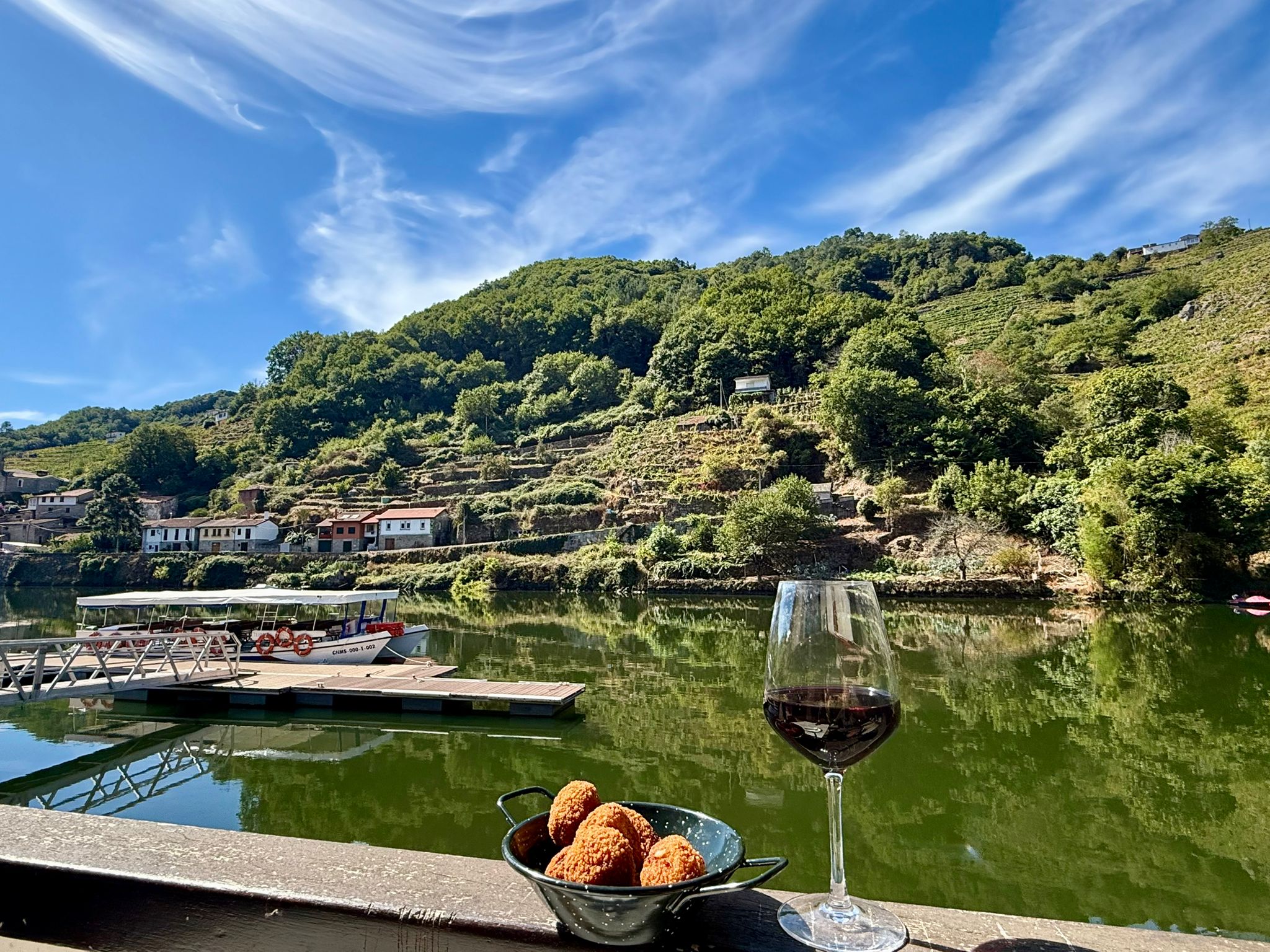
The Camino de Invierno is one of the lesser known routes to Santiago, yet it holds a quiet charm that many walkers fall in love with – including the team of WAW Travel, that’s why we now have this adventure available among our Caminos. Its name means Winter Way, a reference to the historic detour pilgrims used when the high passes of the Camino Francés were covered in snow. Instead of climbing into the mountains, pilgrims followed the Miño River valley and the breathtaking landscapes of southern Galicia, as this path remained accessible even in the colder months.
Today, the Camino de Invierno is no longer only for winter. It is a peaceful, spacious alternative to the more popular routes, especially for walkers who enjoy nature, local culture, and long stretches of serenity. Villages are small, the scenery shifts beautifully from red cliffs and vineyards to river valleys, and the sense of solitude is one of its greatest gifts.
In this article, we introduce the essence of the Camino de Invierno and help you decide whether this tranquil path is the right route for your next walking adventure!
All photos in this blog post were taken by pilgrim Boudewijn van Eersel, a long time WAW walker who has generously given us permission to share his images.
What is the Camino de Invierno?
As of its history, the Camino de Invierno is a historic alternative route to Santiago that branches off from the Camino Francés in the city of Ponferrada. Traditionally, pilgrims followed this path in winter to avoid the snow covered mountains of O Cebreiro, which is how the route earned its name, the Winter Way.
The Camino de Invierno covers 263 kilometres, starting in Ponferrada and arriving in Santiago de Compostela. It typically takes around 14 days, with 12 walking days. Most stages are close to 20 kilometres, with a few shorter days and several longer ones that can approach 30 kilometres. Walkers who prefer a gentler rhythm can easily divide these longer stages into shorter sections.
Why choose the Camino de Invierno?
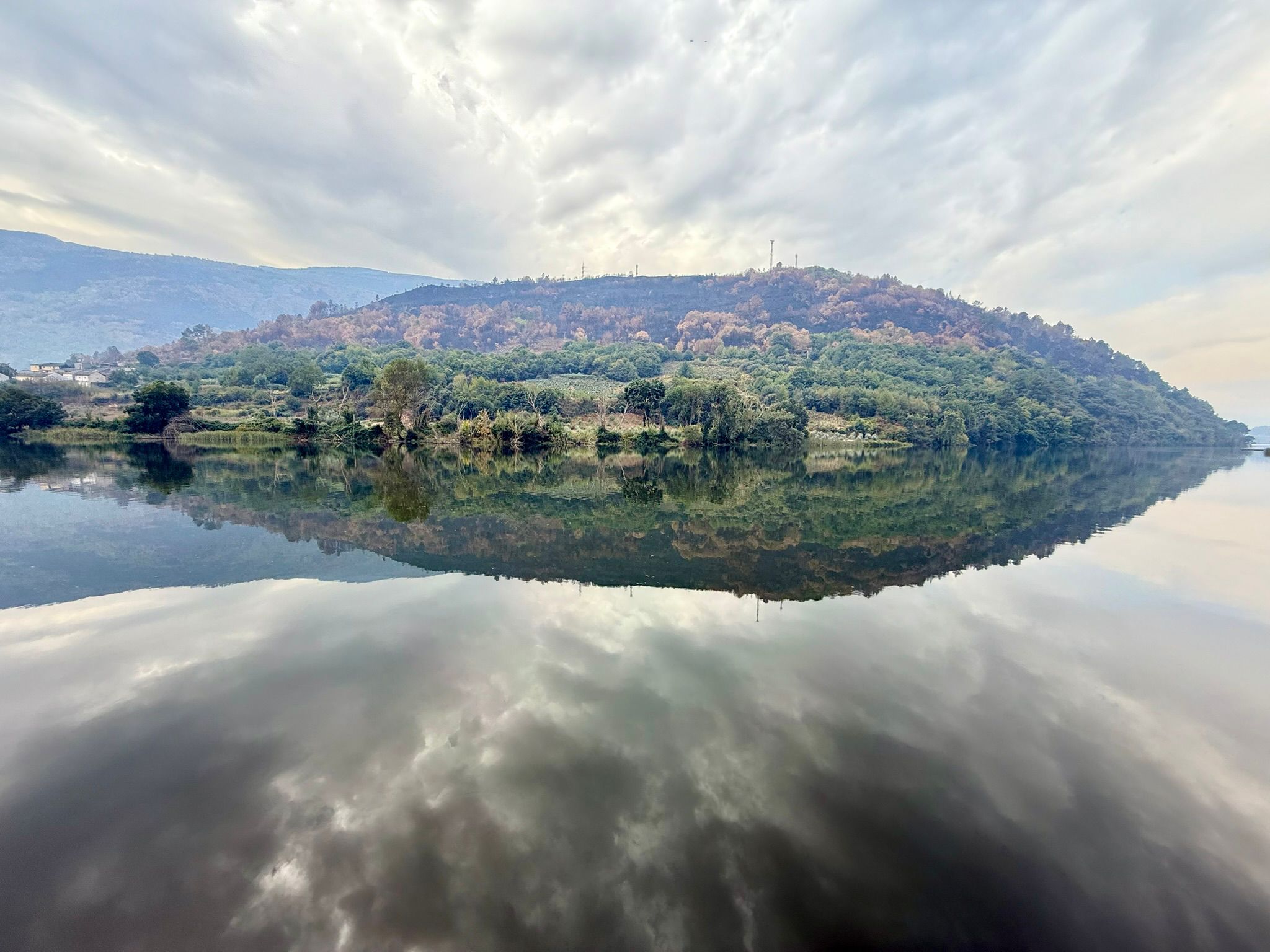
The Camino de Invierno is perfect for walkers who want the essence of the Camino without the bustle of the more famous routes. While paths like the French Way and Portuguese Way are wonderful but often busy, this route gives you space to slow down and enjoy the scenery.
And although it still remains one of the quieter routes, its popularity is rising year after year. Many pilgrims also choose it after completing the French Way and wanting a change of scenery, while others immediately know they would appreciate the peace and space compared to the busier paths. Even so, on the Camino de Invierno you will still meet fellow walkers along the way, often just enough to share a smile or a chat without ever feeling crowded.
Camino de Invierno route and main stages
The Camino de Invierno follows a beautiful and logical flow from Ponferrada all the way to Santiago de Compostela, moving through four distinct regions.The landscapes are clearly the highlight, as this route is incredibly varied, from the red cliffs of Las Médulas to the vineyards of Valdeorras and to the river valley of the Miño.
Each day feels different, and the transitions are smooth and beautiful. Wine lovers also enjoy the Camino de Invierno, as it passes through several renowned wine regions where local reds and whites are part of the cultural fabric. What truly sets the Camino de Invierno apart is its authentic rural character. Villages are small, hospitality is warm and traditional, and the pace of life feels unchanged.

Overview of the route from Ponferrada to Santiago
The Camino de Invierno unfolds in distinct sections: leaving Ponferrada, the path leads quickly into the red cliffs of Las Médulas, a UNESCO World Heritage site shaped by ancient Roman gold mining. From here the route follows the Sil River valley through Valdeorras, a region known for vineyards.
Further along, the Camino enters the more rural areas of Quiroga, A Pobra de Brollón and Monforte de Lemos, where the scenery preserves an authentic Galician rhythm of life. After Monforte you approach Chantada and the Ribeira Sacra region, famous for terraced vineyards and beautiful river views.
The final section from Rodeiro through Lalín, Silleda and Eira Vedra brings a greener landscape. Here the Camino de Invierno gradually merges into the traditional pilgrimage atmosphere as you near Santiago de Compostela, arriving at the Cathedral after a serene and spacious journey.
Below you can also see the full day-by-day structure we follow at WAW Travel:
Day-to-day itinerary on the Camino de Invierno
Day 1: Arrival in Ponferrada
Day 2: Stage 1 – Ponferrada to Las Médulas, 27.8 km
Day 3: Stage 2 – Las Médulas to O Barco de Valdeorras, 27.2 km
Day 4: Stage 3 – O Barco de Valdeorras to A Rúa de Valdeorras, 12.9 km
Day 5: Stage 4 – A Rúa de Valdeorras to Quiroga, 26.5 km
Day 6: Stage 5 – Quiroga to A Pobra de Brollón, 22.9 km
Day 7: Stage 6 – A Pobra de Brollón to Monforte de Lemos, 12.5 km
Day 8: Stage 7 – Monforte de Lemos to Chantada, 30.4 km
Day 9: Stage 8 – Chantada to Rodeiro, 25.4 km
Day 10: Stage 9 – Rodeiro to Lalín, 21.9 km
Day 11: Stage 10 – Lalín to Silleda, 15.7 km
Day 12: Stage 11 – Silleda to Eira Vedra, 19.7 km
Day 13: Stage 12 – Eira Vedra to Santiago de Compostela, 20.9 km
Day 14: Departure from Santiago de Compostela
How difficult is the Camino de Invierno?
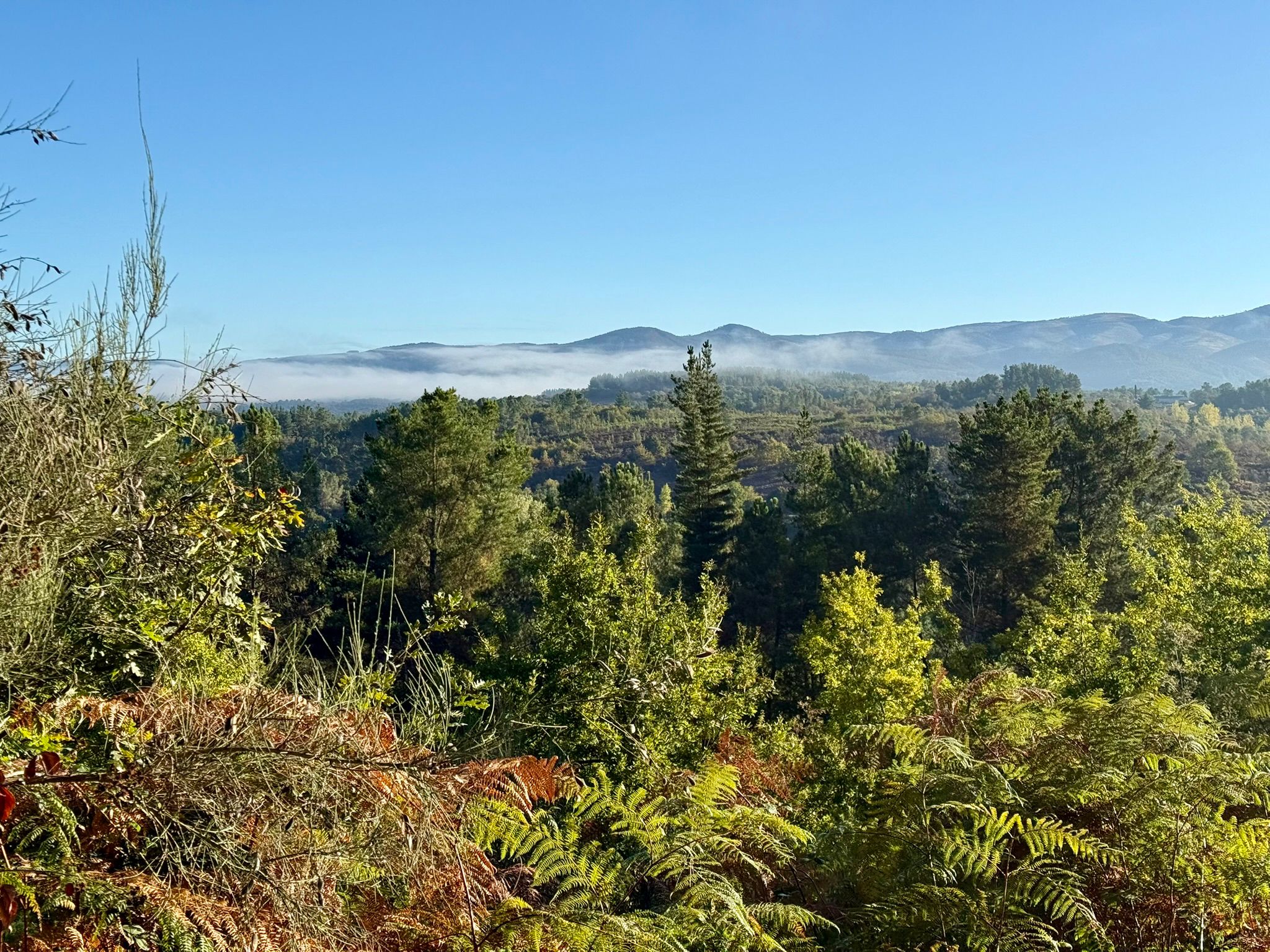
What walkers often appreciate most is the steady pace of the route: not too flat, not too steep, offering a balanced challenge without overwhelming the day. And because the Camino de Invierno crosses several valleys, you can expect regular elevation changes, though they are generally gradual rather than sharp. The effort level is comparable to the central stages of the Camino Francés or the hillier sections of the Camino Portugués, but without the crowds.
Terrain, distance and daily elevation
The Camino de Invierno has a moderate difficulty level, most days range between 20 and 25 kilometres, with a few shorter stages and several longer ones that push closer to 30 kilometres. There are some climbs and descents, especially around Las Médulas, Quiroga, Monforte de Lemos and the approach to Chantada, but the terrain is never extreme.
In general, the elevation gains on the Camino de Invierno are manageable for most walkers, and the descents tend to be steady rather than technical. Expect a route that requires stamina rather than technical hiking skills.
Is it suitable for first-time pilgrims?
A well prepared beginner can absolutely walk the Camino de Invierno! But it is slightly more demanding than the easiest routes such as the Camino Portugués or Camino Inglés. However, if this is your very first long distance walk and you are unsure about back to back walking days, another route might feel more accessible.
For many pilgrims, the Camino de Invierno becomes the perfect “second Camino”: familiar enough to feel doable, yet fresh and scenic enough to feel exciting. But with moderate preparation, good footwear and a realistic pace, beginners can absolutely enjoy it just as much as experienced walkers.
Best time of year to walk the Camino de Invierno
The Camino de Invierno can be walked year round, but the experience varies greatly with the seasons. Services such as cafés and small shops are available throughout the year, but some rural locations may have reduced opening hours in the off season. As always, flexibility is key: weather in Galicia can shift quickly, and being prepared for variations will make your journey smoother.
Walking in spring and autumn
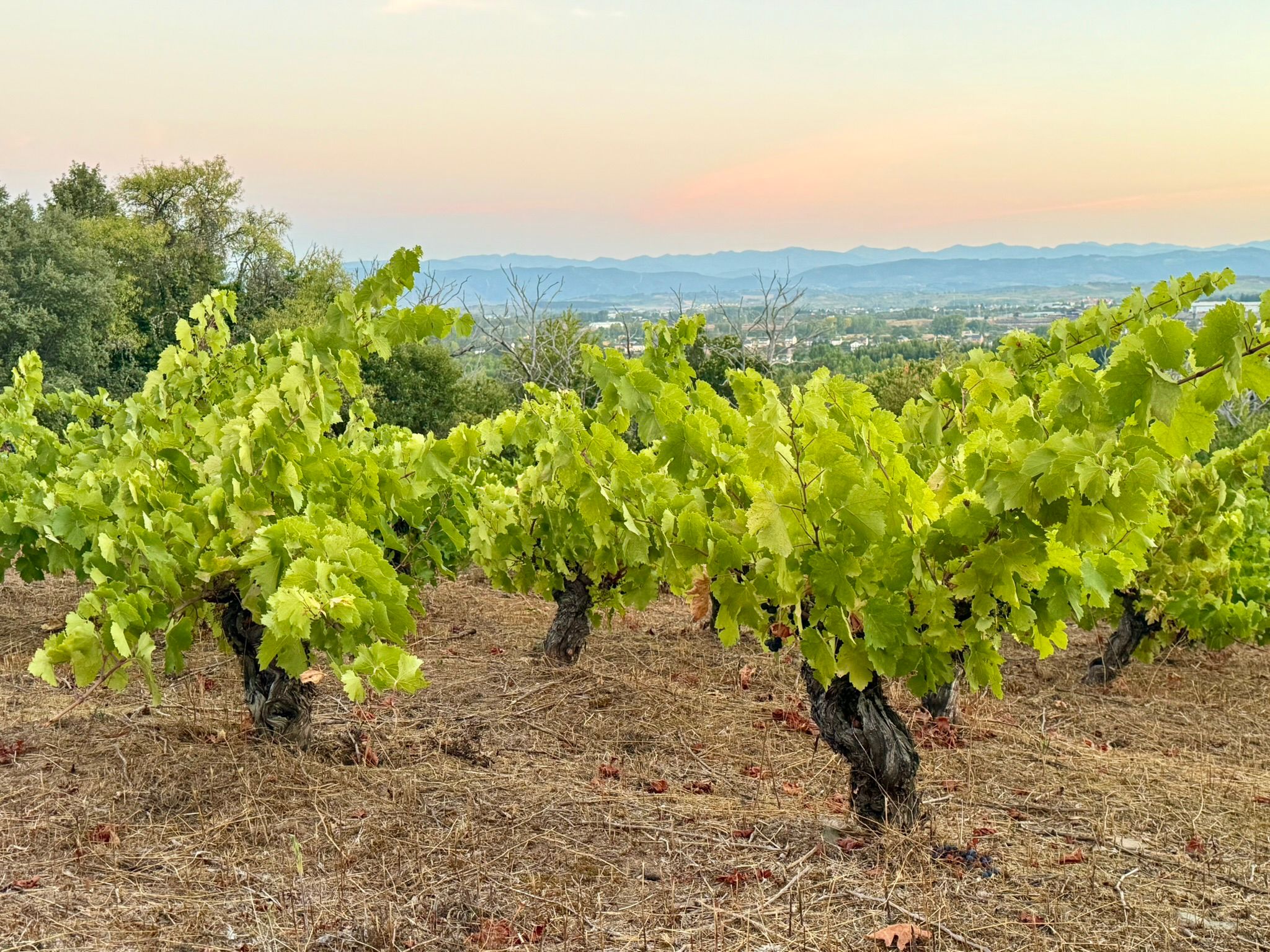
Spring and autumn are ideal for the Camino de Invierno. In spring, the vineyards and river valleys begin to turn green, temperatures are pleasant and the trail feels lively without being busy. Autumn brings warm-toned landscapes, comfortable walking weather and the harvest season in Valdeorras, which adds local charm to the journey. Both seasons offer a plenty of services open along the way and many experienced pilgrims choose spring or autumn for their Camino de Invierno because the walking conditions are so enjoyable.
What about summer and winter?
Walking the Camino de Invierno in summer can be beautiful but requires caution. Inland Galicia and the Sil River valley can reach high temperatures, especially in July and August, so early starts, sun protection and plenty of water are essential. On the positive side, daylight hours are long, villages are active and local festivals create a lively atmosphere.
Winter offers a completely different experience. Despite its name, the Camino de Invierno still brings cold mornings, rain and shorter stages due to limited daylight. Some services may have reduced hours, walkers should be prepared with warm, waterproof gear. Winter pilgrims often enjoy the solitude, but this season is best suited for those who already have some experience with long distance walking.
How WAW Travel can help you plan the Camino de Invierno
If the Camino de Invierno sounds like the right route for you, we’re here to make the planning simple, smooth and enjoyable. Feel free to check out our Camino de Invierno trip page if you’d like to explore the full itinerary.
At WAW Travel we organise every part of your journey, from comfortable accommodations and daily luggage transport to a detailed travel document that supports you throughout your walk. This way you can focus fully on the experience itself and enjoy this beautiful and peaceful Camino at your own pace.
If you still have questions about the stages, want advice on the best time to walk or feel ready to book your Camino de Invierno, you can always reach us at [email protected]. We’re happy to guide you through the options or prepare a personalised itinerary just for you.

Comment (0)